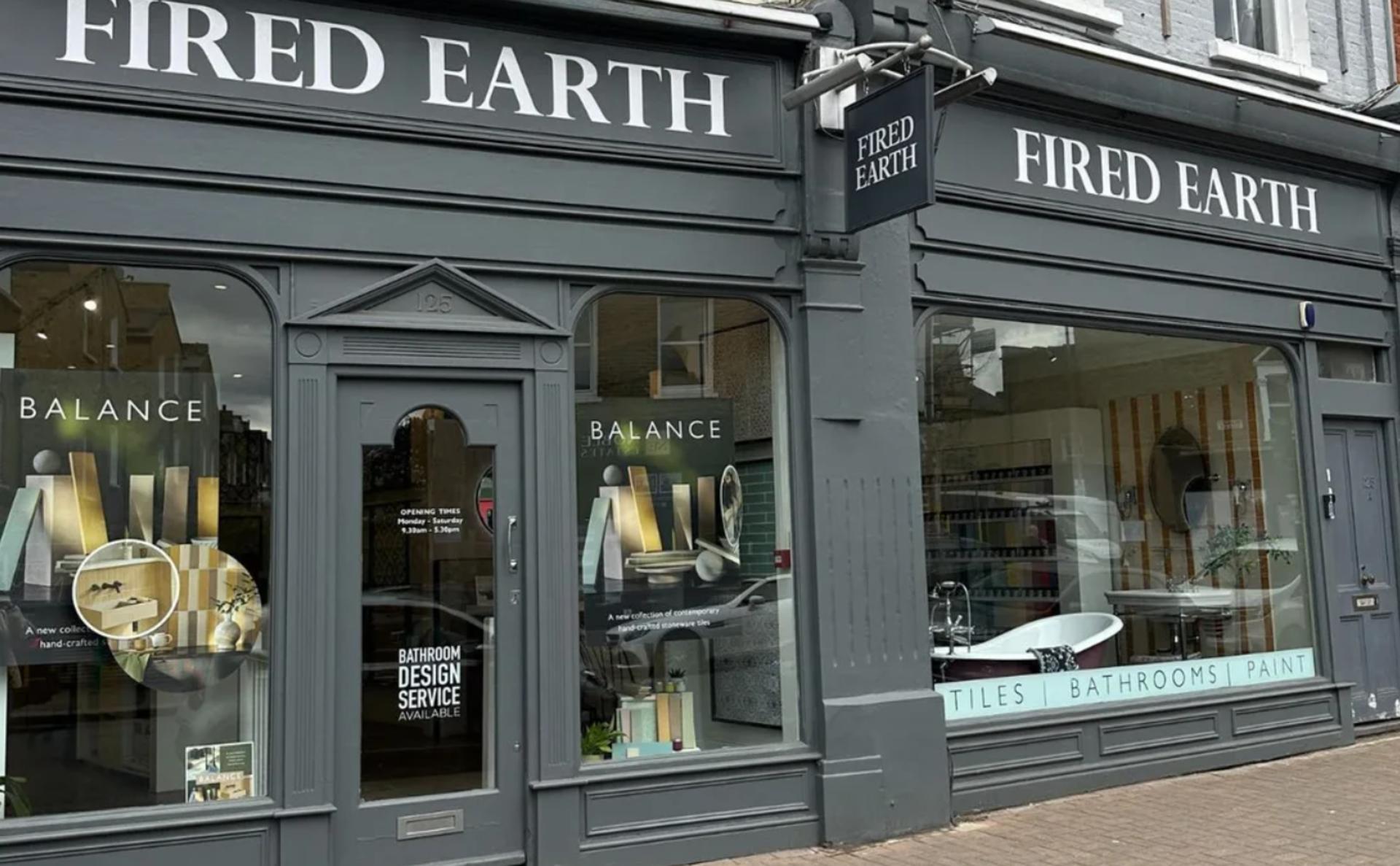
Fired Earth administration has captured the attention of the UK retail sector as the luxury tile and home interiors brand faced one of its most challenging moments. Established decades ago, Fired Earth built a reputation for high-quality tiles, paints, and bathrooms, becoming a household name for interior enthusiasts. However, a combination of financial pressures, rising operational costs, and reduced consumer spending eventually forced the company to enter administration in October 2025. The announcement shocked both customers and employees, signalling a major shift in the UK luxury home interiors market.
The entry into administration raised immediate questions about the future of the Fired Earth brand and its products. Leonard Curtis was appointed as the administrator, tasked with managing store closures, employee redundancies, and customer orders. The case of Fired Earth administration reflects the wider pressures facing UK retailers today, highlighting the fragile balance between maintaining operational costs and responding to shifting consumer behaviours. For many, it serves as a critical example of how even well-established brands can face insolvency under sustained financial strain.
Timeline of Events Leading to Fired Earth Administration
The journey to Fired Earth administration was marked by years of mounting financial challenges and operational strain. By October 2025, the company had officially entered administration, resulting in the closure of 20 UK showrooms and redundancies for 133 employees. Administrators Dane O’Hara and Alex Cadwallader of Leonard Curtis were appointed to oversee the process, ensuring that customer orders were fulfilled where possible and that remaining assets were managed efficiently. This sequence of events highlighted the severity of the brand’s financial difficulties and the broader vulnerabilities within mid-sized UK retailers.
Following the administration, Topps Tiles acquired the Fired Earth brand, its intellectual property, stock, and online presence for approximately £3 million. Customers with outstanding orders were advised to contact administrators for guidance, while the head office continued limited operations to complete pending deliveries. Fired Earth administration mirrored other high-profile UK retail collapses, such as Ickenham Travel administration and Jetline Travel administration, demonstrating how challenging economic conditions and rising costs can push even respected brands into insolvency.
Causes of Fired Earth Administration
Fired Earth administration was driven by multiple interrelated factors that created a financial tipping point for the business. Rising operating costs, declining sales, and insufficient investor support left the company in a position where insolvency became inevitable. The luxury market, while profitable in ideal conditions, is particularly sensitive to economic fluctuations, and Fired Earth administration underscores the risks faced by high-end retailers operating in challenging financial climates.
The broader context of the UK retail environment also contributed to Fired Earth administration. Similar companies, including Silkfred retailer administration and Revo Hospitality administration insolvency, faced comparable struggles due to changing consumer spending habits and high operational expenses. These examples highlight how retail administration is often the result of cumulative pressures, where even well-established brands can face collapse when external economic conditions combine with internal financial weaknesses.
Impact on Employees, Customers, and Suppliers

The effects of Fired Earth administration were felt immediately by employees, customers, and suppliers. A total of 133 staff members were made redundant, while 20 store closures left employees facing sudden uncertainty. Suppliers and business partners also experienced disruption, as the company ceased its regular operations and entered administration, affecting supply chains and pending contracts. Fired Earth administration serves as a clear reminder of the human and operational consequences of retail insolvency.
For customers, Fired Earth administration created significant concern over pending orders, warranties, and refunds. Administrators advised contacting Leonard Curtis for clarification, yet many consumers faced delays and uncertainty. The administration also highlighted the importance of understanding how UK insolvency laws protect customers and what steps should be taken to safeguard their rights. This experience serves as a valuable lesson for both consumers and retailers on preparing for potential disruptions in luxury markets.
Acquisition by Topps Tiles
One of the major outcomes of Fired Earth administration was the acquisition by Topps Tiles, which purchased the brand, stock, intellectual property, and website for roughly £3 million. This acquisition allowed the Fired Earth brand to continue in a different form, preserving product availability for loyal customers and providing reassurance that the brand’s legacy would not be entirely lost. The move also demonstrated how administration can sometimes lead to positive outcomes through strategic buyouts.
Topps Tiles’ acquisition highlights broader trends within the UK retail sector, where consolidation can provide stability for struggling brands. While Fired Earth administration initially signalled collapse, the takeover ensured continuity for customers and created opportunities for business growth under new ownership. The case illustrates how administrators and investors work together to maximise the value of distressed assets while mitigating the negative impacts of insolvency on stakeholders.
Wider Implications for the UK Retail Sector
Fired Earth administration has broader implications for the UK retail sector, particularly for mid-sized and luxury retailers. Rising operational costs, evolving consumer behaviours, and the impact of economic pressures are recurring themes in administration cases. Other companies, such as CW Sellors administration collapse, Caldwell Construction administration, and Celtic Holiday Parks administration, face similar risks, making the Fired Earth case highly instructive for business leaders and investors.
The Fired Earth administration experience also reflects changes in consumer expectations and market dynamics in the UK. Customers are increasingly cautious about investing in high-end products from retailers facing financial uncertainty. The case provides lessons for business owners on financial planning, risk management, and the importance of maintaining investor confidence to prevent insolvency scenarios.
How Customers Can Navigate Orders and Warranties
For customers affected by Fired Earth administration, the process of navigating pending orders and warranties was essential. Administrators advised contacting Leonard Curtis directly for assistance with deliveries, refunds, and warranty claims. While the closure of physical stores created inconvenience, ongoing communication with administrators helped mitigate disruption and provided clarity on the next steps.
Understanding how administration works is crucial for UK consumers who rely on high-end brands. Fired Earth administration serves as a reminder to remain informed about retailer stability and available remedies under UK insolvency law. Planning ahead and knowing how to engage with administrators can help consumers protect their interests when retail businesses face financial collapse.
Conclusion
Fired Earth administration represents a significant event in the UK retail landscape, reflecting both the challenges of running a luxury brand and the impact of broader economic pressures. From employee redundancies to customer concerns and the eventual acquisition by Topps Tiles, the case demonstrates the wide-ranging consequences of administration. Lessons from Fired Earth administration provide valuable insights for retailers, investors, and consumers alike, highlighting the importance of financial planning, market awareness, and proactive management in uncertain times.
You may also read: Legal Proceedings and Conviction