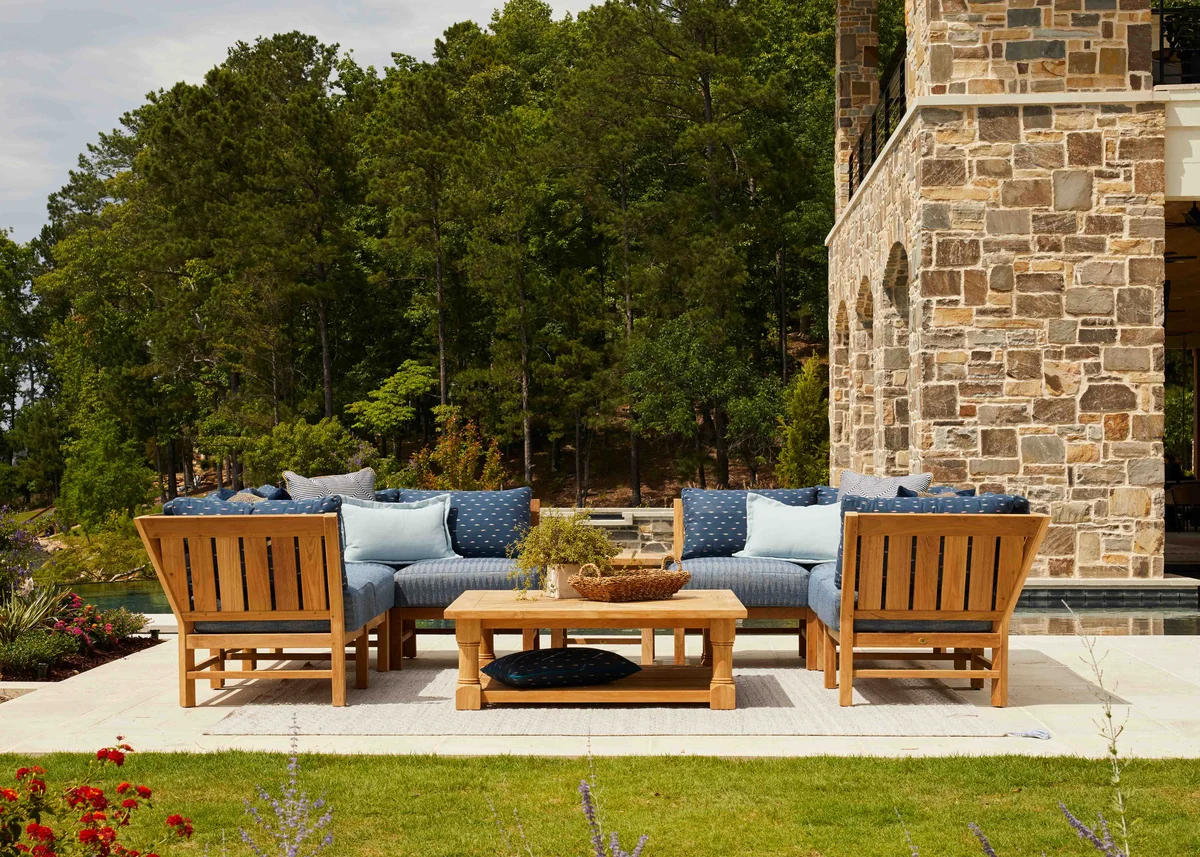
Picking the right garden furniture in the UK isn’t quite as simple as it looks in those glossy magazines. Between the unpredictable British weather and the sheer variety of options available, it’s easy to feel a bit overwhelmed when you’re trying to create that perfect outdoor space you’ve been dreaming about.
I remember helping my sister choose her first proper garden furniture set last spring. She’d just moved into a house with a decent-sized patio and was absolutely convinced she needed one of everything. We spent three weekends visiting garden centres before she finally realised what actually mattered, and honestly, it wasn’t what either of us expected.
The thing is, your outdoor space is an extension of your home. It’s where you’ll have those lazy Sunday morning coffees, host summer barbecues, and maybe even work from home on those rare beautiful days. So getting the furniture right really does make a difference.
Understanding UK Weather and Why It Matters
Right, so here’s the reality. British weather is, well, British. We get rain in July, unexpected heatwaves in April, and don’t even get me started on the wind. Your garden furniture needs to handle all of it without falling apart or looking shabby after one season.
This is exactly why material choice matters so much. You can’t just pick something because it looks nice online. You need furniture that’s genuinely built for our climate, not something designed for Mediterranean summers that’ll warp at the first sign of our damp autumn weather.
Material Types: Finding Your Perfect Match
Rattan Garden Furniture UK: The Popular Choice
Rattan has absolutely dominated the garden furniture market in recent years, and there’s a good reason for that. When we talk about rattan garden furniture UK homeowners typically buy, we’re usually referring to synthetic rattan, which is properly weather-resistant polyethylene woven over an aluminium or steel frame.
My neighbour’s had the same rattan set for four years now. It sits outside year-round, and apart from a quick clean each spring, it still looks brilliant. That’s the beauty of quality synthetic rattan, it doesn’t fade quickly, water runs straight off it, and it won’t crack in frost like natural materials sometimes do.
The woven design also means rain doesn’t pool on the furniture. It drains through naturally, so you’re not constantly tipping water off seats before you can sit down. Trust me, that gets old very quickly with other furniture types.
Space-wise, rattan works beautifully in most gardens. You can find compact bistro sets for smaller patios or those impressive corner sofa arrangements for larger spaces. The neutral tones, usually grey, brown, or black, blend nicely without overwhelming your garden’s aesthetic.
For maintenance, you’re looking at minimal effort. A quick wipe down with soapy water a few times during the season keeps it looking fresh. Maybe give it a proper clean with a soft brush at the start and end of summer. That’s genuinely it. No oils, no special treatments, no stress.
Wooden Garden Furniture: Classic and Timeless
There’s something properly traditional about wooden furniture, isn’t there? It fits so naturally into British gardens, especially if you’ve got established plants and trees around.
Hardwoods like teak, eucalyptus, and acacia are your best bet for outdoor use. My parents have had a teak table and chairs for over a decade. Yes, it’s silvered with age, but that’s part of its charm. Teak contains natural oils that make it incredibly resistant to rot and insect damage, which is why it’s often used in boat building.
The catch with wood is that it needs more care than synthetic materials. If you want to maintain that rich, honey-coloured finish, you’ll need to treat it with oil or a protective sealant once or twice a year. Skip this, and it’ll turn grey, though some people actually prefer that weathered look.
Wood is also heavier than rattan or metal, which can be a plus or minus depending on your situation. It won’t blow around in strong winds, but you can’t easily rearrange it for different occasions. My parents’ table takes two people to move it, which makes storing it for winter a proper commitment.
Storage is worth considering, actually. Whilst quality hardwood can stay outside all year, bringing it under cover during the worst winter months will extend its life considerably. If you’ve got a shed or covered area, brilliant. If not, a good furniture cover does help, though it’s not quite the same as proper shelter.
Metal Garden Furniture: Durable and Versatile
Metal furniture, particularly aluminium and steel options, offers something different entirely. It’s incredibly sturdy, modern-looking, and can handle whatever weather you throw at it, as long as it’s properly treated.
Aluminium is naturally rust-resistant and surprisingly lightweight. You can move pieces around easily, which is perfect if you like changing up your space or need to clear the patio for other activities. Steel furniture tends to be heavier and more substantial, often with a powder-coated finish that protects against rust.
I’ve got a small metal bistro set on my balcony. It’s been there for three years, completely exposed to the elements, and it’s held up brilliantly. The dark finish hasn’t faded, there’s no rust, and it’s still as stable as the day I bought it.
The modern, clean lines of metal furniture work particularly well in contemporary gardens or smaller urban spaces. If you’re after that sleek, minimalist look, metal delivers it perfectly.
Maintenance is straightforward, just keep an eye out for any chips in powder coating, which can let moisture in and start rust spots. A quick touch-up with matching paint sorts that out.
Otherwise, an occasional wipe-down is all you need.
One thing to note is that metal can get quite hot in direct sunlight and very cold on chilly evenings. Cushions solve this completely, but it’s worth remembering.
Luxury Garden Furniture UK: Premium Materials and Craftsmanship
When people search for luxury garden furniture UK retailers stock, they’re usually looking at high-end materials with exceptional build quality and design. We’re talking premium-grade teak, hand-woven synthetic rattan with thicker strands, stainless steel frames, and often integrated features like built-in storage or extending tables.
A friend recently invested in a luxury rattan corner sofa set with a rising table. The quality difference was immediately obvious, the weave was tighter and more uniform, the cushions were proper outdoor-grade with better water resistance, and every connection point was reinforced. It cost significantly more than standard sets, but you could see and feel where the money went.
Luxury doesn’t always mean enormous, either. You can find premium compact sets that are beautifully designed for smaller spaces. The difference is in the details, smoother finishes, better hardware, cushions that actually stay plump and comfortable.
These pieces typically come with longer warranties and better weather resistance. The materials are selected and treated for longevity, so whilst the upfront cost is higher, you’re potentially looking at furniture that’ll last fifteen or twenty years with proper care.
Space Requirements: Measuring Up Properly
Right, this is where many people, including my sister, get it wrong initially. You need to actually measure your space before falling in love with any furniture set.
Here’s what I learned helping her. Measure your patio or lawn area first, obviously. But then consider the circulation space. You need at least 70-90cm around the table for chairs to pull out comfortably and for people to walk past when others are seated.
For a standard six-seater rectangular table and chairs, you’re looking at roughly 3 metres by 2.5 metres of space as a minimum. Corner sofas need even more room, typically around 3 metres by 3 metres to avoid feeling cramped.
If you’ve got a smaller space, honestly, don’t try to cram in more furniture than works. A compact bistro set or a small four-seater can look absolutely brilliant in a modest patio and will be far more comfortable than a larger set that overwhelms the space.
Think about movement patterns too. Where do people enter the garden? Where’s the door to the house? You don’t want furniture blocking natural pathways. My sister initially placed her table right in the middle of the direct route from the back door to the shed, which we quickly realised was impractical.
Style Considerations: Making It Work with Your Garden
Your outdoor garden furniture UK purchase should complement your garden’s existing style, not fight against it.
Traditional cottage gardens suit wooden furniture beautifully. The natural material blends with established planting and creates that timeless English garden feel. Modern, architectural gardens often look better with sleek metal or contemporary rattan in darker colours.
Colour matters more than you might think. Lighter furniture reflects heat, staying cooler in summer sun. Darker pieces absorb heat but can look more sophisticated and hide marks better. Grey and brown rattan have become so popular partly because they work with virtually any garden colour scheme.
Consider your house’s style too. If you’ve got a modern new-build with lots of glass and clean lines, ultra-traditional furniture might look out of place. Conversely, a period cottage might not suit ultra-modern metal furniture, though honestly, mixing styles can work brilliantly if done thoughtfully.
Making Your Decision: Practical Garden Furniture Buying Tips
So, you know, after everything we’ve covered, how do you actually decide?
Start with your budget and space constraints, these are your non-negotiables. Then think about how much time you realistically want to spend on maintenance. If you’re busy or not particularly house-proud about outdoor spaces, go for rattan or metal. If you love that ritual of caring for things and want natural materials, wood could be perfect.
Consider how you’ll use the space. For frequent entertaining, a larger dining set makes sense. For relaxed lounging, corner sofas or daybeds work brilliantly. For morning coffee and occasional meals, a bistro set might be all you need.
Don’t rush the decision. Visit showrooms if you can, sit on the furniture, check the build quality. Look at frame materials, not just the surface appearance. Check weight limits if that’s relevant for your household. Read reviews from UK buyers specifically, since they’ll mention how well items hold up in our weather.
And honestly? Sometimes the best approach is to start with a smaller, quality set and expand later if needed. My sister eventually got her corner sofa, but she waited a year, used a small four-seater first, and then knew exactly what she wanted for the larger space.
Final Thoughts
Choosing garden furniture for UK weather doesn’t need to be complicated, but it does need to be thoughtful. Consider your space, your lifestyle, your maintenance willingness, and how the furniture will work with our distinctly British climate.
Quality matters more than quantity. A well-made rattan set or solid wooden table will give you years of enjoyment, whilst cheap furniture that looks great initially might only last a season or two before disappointing you.
Your outdoor space deserves furniture that works as hard as your indoor pieces. Take your time, measure properly, choose materials suited to our weather, and you’ll create that perfect garden spot you’ve been imagining. The one where you’ll actually want to spend time, rain or shine. Well, maybe not rain. But you know what I mean.