
Lawsons is widely recognised as a timber, fencing, and building materials merchant serving London and the South East of England. It is commonly used by both trade professionals and homeowners who need dependable materials for construction, renovation, and outdoor projects. Rather than acting as a general retailer, Lawsons focuses on supplying practical building products that meet real project requirements, particularly where timber quality, correct treatment, and availability are important.
This guide explains what Lawsons offers, how customers typically use its services, and how to choose the right materials for common projects. The aim is to help readers make informed decisions, avoid common mistakes, and understand whether Lawsons is the right supplier for their specific needs.
Understanding Lawsons as a Builders’ Merchant
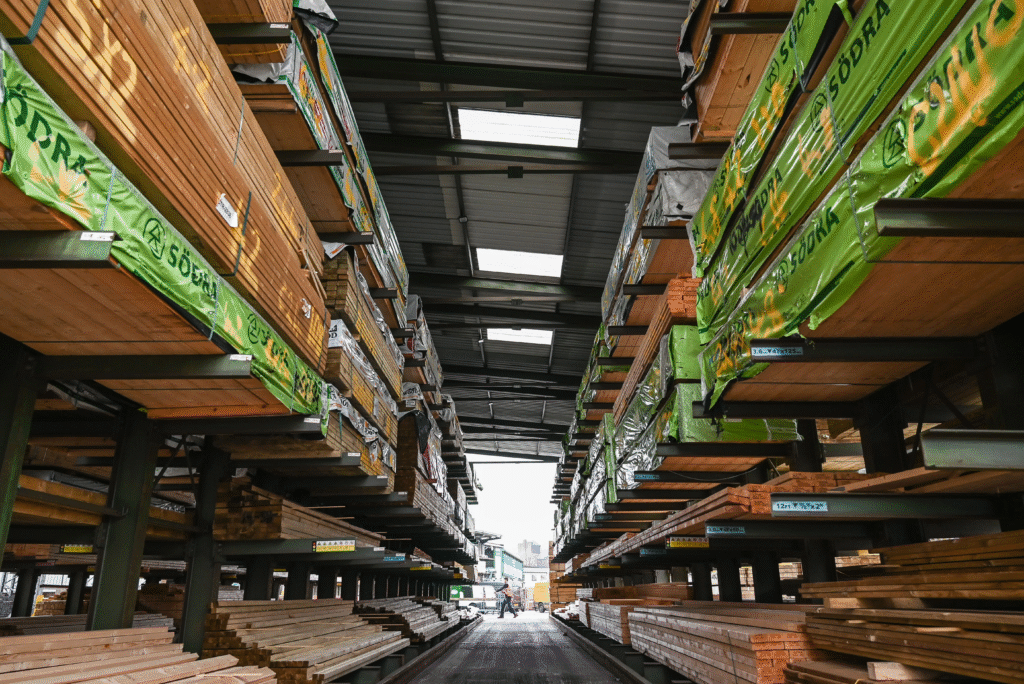
Lawsons operates as a builders’ merchant, meaning its core purpose is supplying materials used in construction and structural work rather than finished consumer goods. Customers typically visit or order from Lawsons when they need timber, fencing systems, sheet materials, landscaping products, or general building supplies for ongoing projects.
One of the main reasons builders’ merchants remain important is that many construction materials require context-specific advice. Timber selection, fencing strength, and outdoor durability all depend on how and where materials will be used. A specialist merchant helps customers choose materials based on real conditions such as ground exposure, moisture levels, and structural load, rather than just appearance or price.
Lawsons is commonly associated with projects where reliability matters more than aesthetics alone, such as boundary fencing, decking structures, landscaping frameworks, and general building work. This practical focus is what distinguishes a builders’ merchant from a standard retail supplier.
Timber Products at Lawsons and How to Choose Correctly
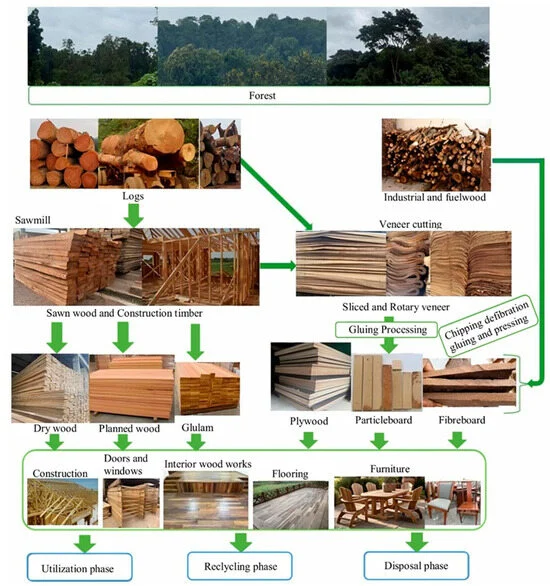
Timber is one of the most commonly purchased materials at Lawsons, but it is also one of the most frequently misunderstood. Choosing the wrong timber type or treatment can shorten the life of a project and lead to avoidable repairs.
For internal applications, timber is usually selected for stability, straightness, and suitability for finishing. Joinery work, stud walls, shelving, and interior framing typically require timber that remains dimensionally stable once installed. Moisture exposure is lower indoors, but accuracy and consistency remain important.
For external use, timber selection becomes more critical. Outdoor timber is exposed to rain, temperature changes, and ground contact, all of which accelerate decay if the material is not correctly treated. External projects such as fencing, decking frames, pergolas, and raised beds normally require pressure-treated timber designed to resist rot and insect damage. Using untreated timber outdoors often results in early failure, even if the structure looks sound at first.
Sheet materials also vary widely in strength and moisture resistance. Some are designed for dry, internal environments, while others are suitable for structural or semi-exposed use. Selecting sheet materials without considering environment and load requirements is a common cause of warping, swelling, or surface breakdown over time.
Fencing Materials and Structural Considerations
Fencing projects are a major reason many customers search for Lawsons. A fence is not just a visual boundary; it must withstand wind pressure, ground movement, and long-term exposure to moisture. For this reason, fencing systems should be planned as a complete structure rather than as individual components.
Fence panels or rails are only part of the system. Posts, fixings, and ground installation play a larger role in determining durability. Incorrect post depth or weak fixings are frequent causes of leaning or collapsed fencing, particularly in exposed or soft-ground areas. Gravel boards, where used, can reduce ground-level moisture contact and extend the lifespan of timber panels.
Another important factor is maintenance planning. Even treated timber benefits from sensible installation practices, such as allowing drainage around posts and avoiding unnecessary soil contact where not intended. Proper spacing, secure fixings, and suitable post materials can significantly reduce long-term maintenance needs.
Landscaping and Garden Construction Projects
Many customers use Lawsons for landscaping and garden construction because these projects often require a combination of timber, aggregates, fixings, and structural materials. Raised beds, retaining borders, decking platforms, and garden structures all rely on correct material choice to remain stable over time.
For garden timber projects, suitability for ground contact and moisture exposure should always be confirmed. Some timber products are designed for decorative use only and may deteriorate quickly if used structurally. Sleepers, framing timber, and posts must be chosen with their intended lifespan and placement in mind.
Decking projects, in particular, benefit from careful planning. Many decking failures occur not because of the boards themselves, but due to inadequate framing, poor ventilation beneath the deck, or incorrect fixings. Ensuring the supporting structure is built from appropriate treated timber and spaced correctly helps prevent sagging, rot, and surface movement.
Building Materials Beyond Timber and Fencing
Although timber and fencing are key areas, Lawsons is also used for a broader range of building materials and site essentials. Many customers prefer sourcing multiple materials from one merchant to reduce delays and compatibility issues.
Typical building-related purchases include insulation materials, sheet products, fixings, ironmongery, tools, and general construction supplies. For larger projects, reliable availability and the ability to collect or receive deliveries efficiently can have a direct impact on build schedules.
Planning material quantities accurately is especially important for structural and load-bearing components. Ordering insufficient materials can delay work, while incorrect materials can compromise safety or require costly replacements.
Branch Access, Local Availability, and Ordering Considerations
Lawsons operates branches across London and the South East, which is a practical advantage for customers who need local access to materials. Being able to collect items quickly or discuss requirements in person can be valuable, particularly for projects where specifications change during construction.
When ordering materials, customers benefit from preparing a complete materials list before purchasing. This reduces the risk of missed components such as fixings or support materials, which often cause delays. For larger or heavier items, delivery planning is also important, especially in urban areas where access restrictions may apply.
Trade customers often prioritise efficiency, repeat availability, and consistent product standards, while DIY customers may value guidance and reassurance when selecting materials. A builders’ merchant typically supports both needs through product knowledge and local service.
Quality, Suitability, and Responsible Material Use
Material quality is not just about appearance. Timber straightness, correct treatment, moisture content, and accurate sizing all affect how easy materials are to work with and how well they perform after installation. Inconsistent or unsuitable materials can lead to alignment problems, structural weakness, and premature deterioration.
Responsible material sourcing and correct usage also play a role in long-term outcomes. Using materials designed for their intended environment reduces waste and avoids unnecessary replacements. Following installation guidance and selecting products based on function rather than cost alone generally leads to better project results.
Practical Project Checklists
Fence Installation Checklist
A complete fencing project usually requires:
- Fence panels or rails suitable for wind exposure
- Posts of correct size and strength
- Gravel boards where appropriate
- External-grade fixings
- Post installation materials
- Gate hardware if applicable
Correct post depth and spacing are as important as panel choice.
Decking Construction Checklist
For a durable deck, plan for:
- Decking boards rated for outdoor use
- Treated structural framing timber
- Suitable fixings and brackets
- Ground preparation and drainage
- Adequate ventilation beneath the deck
Structural integrity should always take priority over surface appearance.
Garden Timber Projects Checklist
When building raised beds or borders:
- Confirm timber suitability for ground contact
- Use external-grade fixings
- Plan drainage and base preparation
- Consider lining where appropriate
These steps help extend lifespan and stability.
Frequently Asked Questions
What type of timber is best for outdoor projects?
Timber treated for external use is generally required for fencing, decking, and garden structures, as it offers greater resistance to moisture and decay.
Is Lawsons suitable for DIY customers?
Yes. Many DIY customers use Lawsons for fencing, garden projects, and home improvements, particularly where material quality matters.
How do I find a Lawsons branch near me?
The most reliable way is to use the official store locator, which shows branch locations across London and the South East.
Do fencing failures usually come from panels or posts?
Most failures are caused by inadequate posts, shallow installation, or weak fixings rather than the panels themselves.
Why is timber treatment important?
Correct treatment helps protect timber from rot, insects, and moisture, significantly extending its usable life in outdoor environments.
Conclusion
Lawsons serves a clear role as a timber, fencing, and building materials merchant for London and the South East. Its value lies in supplying materials designed for real construction conditions rather than decorative use alone. When customers choose materials based on correct application, treatment, and structure, projects last longer and require fewer repairs.
Whether planning fencing, decking, landscaping, or general building work, understanding material suitability is just as important as sourcing the materials themselves. A specialist builders’ merchant supports this process by offering access to appropriate products and practical guidance, helping projects move forward efficiently and reliably.
You may also read: How to Find the Best Timber Merchants in the UK