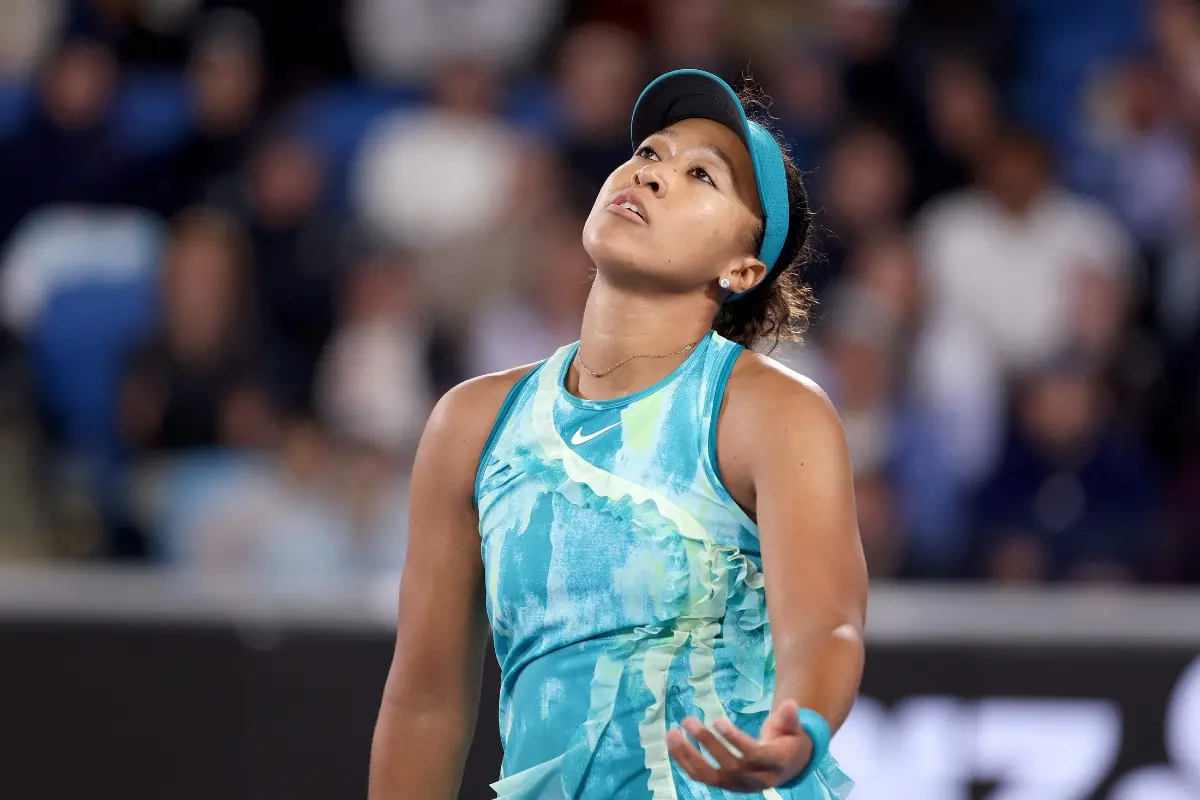
Naomi Osaka’s withdrawal from the Australian Open 2026 marked one of the most significant moments of the tournament’s opening week. The Japanese tennis star, a two-time champion in Melbourne, made the decision shortly before her scheduled third-round match after experiencing worsening physical discomfort. The announcement immediately shifted attention away from match results and towards the broader implications for her season and long-term health.
For fans and analysts, the withdrawal was disappointing but not entirely unexpected given Osaka’s recent injury history and carefully managed return to full-time competition. Rather than pushing through physical limitations, she chose to prioritise recovery, reinforcing a career approach that places sustainability above short-term success. In the context of modern professional tennis, her decision reflects a growing emphasis on responsible athlete management.
What Happened at the Australian Open 2026
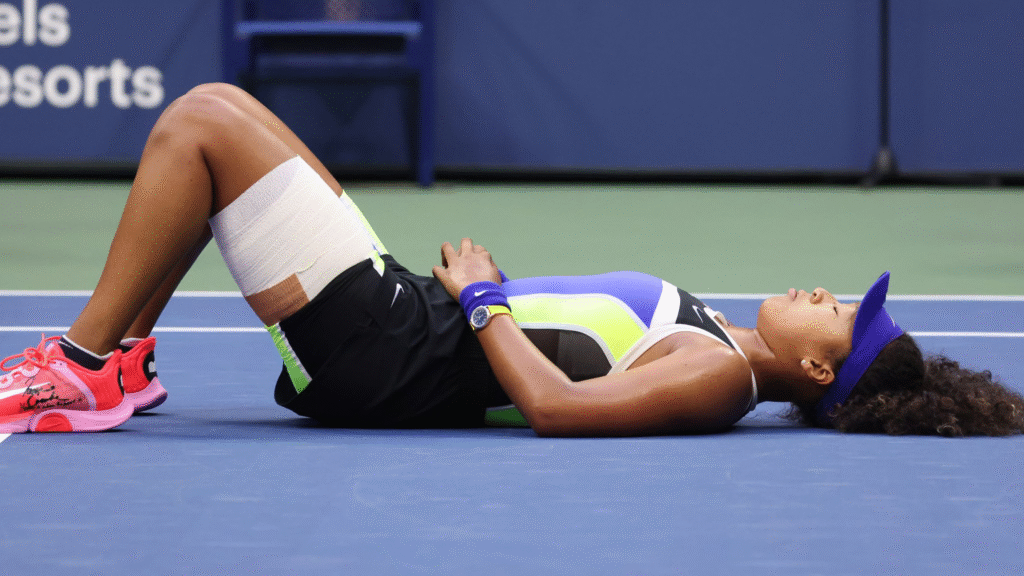
Naomi Osaka entered the Australian Open 2026 with renewed optimism after steady progress in the months leading up to the tournament. Her early-round performances suggested improved match fitness and confidence, particularly on hard courts where she has historically excelled. She navigated demanding rallies and showed controlled aggression, indicating that her game was moving in the right direction.
However, physical discomfort intensified following her previous match. During preparations for her next appearance, the issue failed to settle, prompting discussions with her medical team. With the risk of aggravating the injury, Osaka chose to withdraw before stepping onto the court, allowing her opponent to advance without play. The timing of the decision underlined how quickly conditions can change at elite level competition.
Injury Explanation and Decision-Making Process
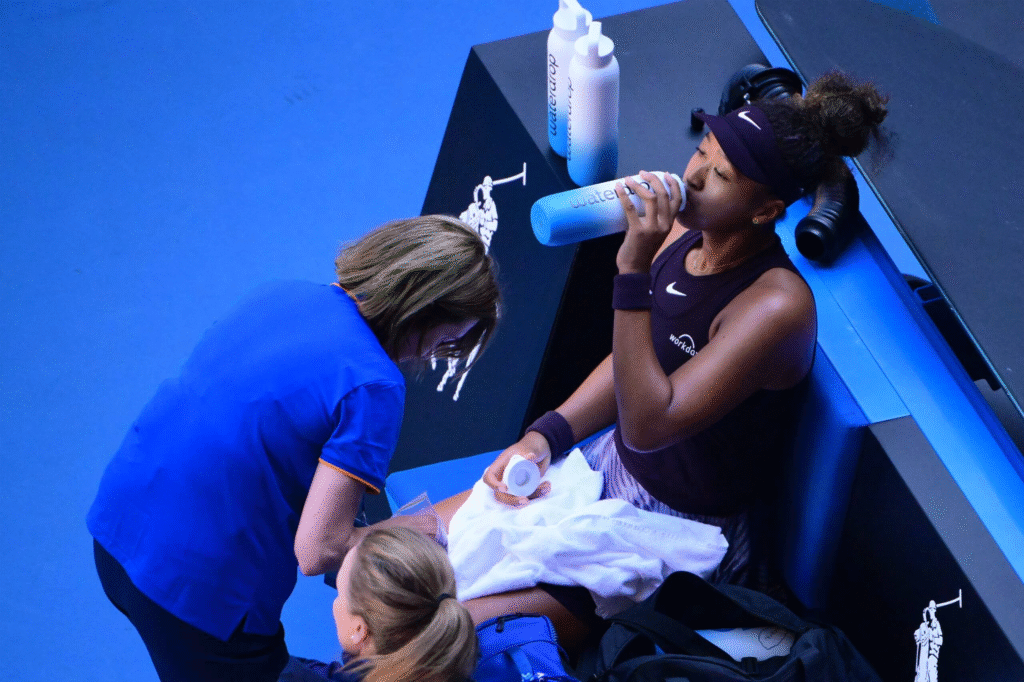
The injury that forced Naomi Osaka out of the Australian Open was related to an abdominal issue that had become increasingly uncomfortable. Abdominal injuries are particularly challenging for power-based players, as they affect serving, rotation, and movement. Continuing to compete without full stability can lead to prolonged recovery periods or secondary injuries.
Osaka explained that she initially hoped rest would be sufficient, but the pain increased rather than improved. Medical advice focused on prevention rather than risk, and the decision was taken to stop competing before further damage occurred. This cautious approach aligns with how elite athletes now manage physical setbacks, especially during comeback phases after extended breaks from the tour.
Performance Signs Before the Withdrawal
Despite the early exit, Naomi Osaka’s tennis during the Australian Open 2026 provided several positive indicators. Her serve remained effective, her footwork appeared sharper than in earlier return events, and she handled pressure moments with composure. These elements suggested that her competitive level was gradually rebuilding.
Importantly, the matches she played demonstrated resilience rather than reliance on raw power alone. She constructed points with greater patience and showed improved shot selection during longer exchanges. Although the tournament ended earlier than planned, the performances offered reassurance that her overall trajectory remains positive when physical conditions allow.
Naomi Osaka’s Career Context and Australian Open History
Naomi Osaka’s career achievements give important context to why her withdrawal attracted global attention. She has won four Grand Slam singles titles, including two Australian Open championships, and has previously held the world number one ranking. Her success on hard courts, particularly in Melbourne, has been a defining feature of her career.
The Australian Open has played a major role in her rise and reputation. Past victories showcased her ability to perform under intense pressure and against the strongest fields in the sport. As a result, any disruption to her campaign at this event carries added significance, both for tournament narratives and for assessments of her current competitive phase.
Ranking Position and Competitive Management in 2026
At the time of the Australian Open 2026, Naomi Osaka was competing within the established professional tier following a structured return to the tour. Her ranking reflected selective scheduling rather than constant tournament participation, a strategy designed to balance match sharpness with physical care.
This approach has become central to her career management. Instead of chasing ranking points aggressively, Osaka and her team have focused on gradual progress, allowing her to rebuild confidence and conditioning. While this can result in short-term fluctuations, it supports long-term performance stability and reduces the likelihood of recurring injuries.
Injury History and Long-Term Physical Considerations
Injuries have been an intermittent challenge throughout Naomi Osaka’s career, particularly involving abdominal and lower-body strains. These issues can resurface under the demands of high-intensity competition, especially during congested tournament schedules.
Her decision to withdraw from the Australian Open 2026 fits into a broader pattern of proactive injury management. By addressing problems early rather than competing through discomfort, she reduces the risk of extended absences later in the season. This philosophy reflects lessons learned from previous setbacks and contributes to career longevity.
Mental Approach and Professional Perspective
Naomi Osaka’s approach to professional tennis has evolved significantly over recent years. She has spoken openly about the mental demands of elite sport and the importance of maintaining balance alongside competition. This perspective influences how she responds to setbacks, including injuries.
Rather than framing withdrawals as failures, Osaka treats them as part of a broader career journey. This mindset allows her to focus on recovery and preparation without external pressure dictating her decisions. For many observers, this approach represents a modern model of athlete wellbeing and self-awareness.
Personal Life and Its Influence on Career Decisions
Off the court, Naomi Osaka’s personal life has influenced how she structures her career. Family support has remained central since her early development, providing stability during both success and adversity. In recent years, changes in her personal life have added new responsibilities and priorities.
These factors contribute to a more measured approach to competition. Osaka has indicated that perspective gained away from tennis helps her make clearer decisions about health and scheduling. This balance between professional ambition and personal wellbeing plays a role in how she navigates challenges such as injuries.
Public Profile, Endorsements, and Global Presence
Naomi Osaka remains one of the most recognisable athletes in global sport. Her influence extends beyond match results, encompassing commercial partnerships, cultural relevance, and public engagement. Even during periods away from competition, her profile continues to attract attention.
This visibility adds scrutiny to decisions like withdrawing from major tournaments. However, it also provides a platform to demonstrate responsible athlete behaviour. By prioritising health in high-profile moments, Osaka reinforces a message that long-term success is built on sustainable choices rather than constant participation.
What Comes Next After the Australian Open 2026
Following her withdrawal, Naomi Osaka’s immediate focus is recovery and medical assessment. No fixed return date has been announced, and future tournament participation will depend on how the injury responds to treatment and rest. This cautious stance reduces uncertainty and allows flexibility in planning.
Later stages of the season remain potential targets if recovery progresses without complications. Hard-court events later in the calendar, as well as other major tournaments, remain realistic options provided she returns at full fitness. The emphasis remains on returning strong rather than returning quickly.
Why This Withdrawal Matters in Modern Tennis
Naomi Osaka’s withdrawal from the Australian Open 2026 highlights broader changes in professional sport. Increasingly, top athletes are choosing long-term health over immediate results, even at the sport’s biggest events. This shift reflects improved understanding of injury prevention and career sustainability.
For fans, the moment serves as a reminder that elite performance requires careful management behind the scenes. Osaka’s decision reinforces the idea that success is not defined by constant presence but by informed choices that protect both physical and mental wellbeing.
Conclusion
Naomi Osaka’s decision to withdraw from the Australian Open 2026 due to injury was a significant moment, but it does not diminish her achievements or future potential. Her career remains defined by Grand Slam success, resilience, and an evolving understanding of what longevity in professional tennis requires.
As she focuses on recovery and prepares for the next phase of the season, Osaka continues to represent a modern approach to elite sport. When she returns fully fit, attention will once again shift from setbacks to her performance on court, where her impact on the game remains substantial.
Frequently Asked Questions About Naomi Osaka
Why did Naomi Osaka withdraw from the Australian Open 2026?
She withdrew due to an abdominal injury that worsened after her previous match, following medical advice not to continue.
Was the withdrawal decided during a match?
No, the decision was made before her scheduled third-round match after assessment during preparation.
When will Naomi Osaka return to competition?
No confirmed return date has been announced. Her comeback will depend on recovery progress and medical clearance.
Does this affect her long-term career?
The withdrawal is a precautionary measure and does not indicate a long-term setback. It reflects a strategy focused on sustainability.
You may also read: Arenaer og vertsbyer