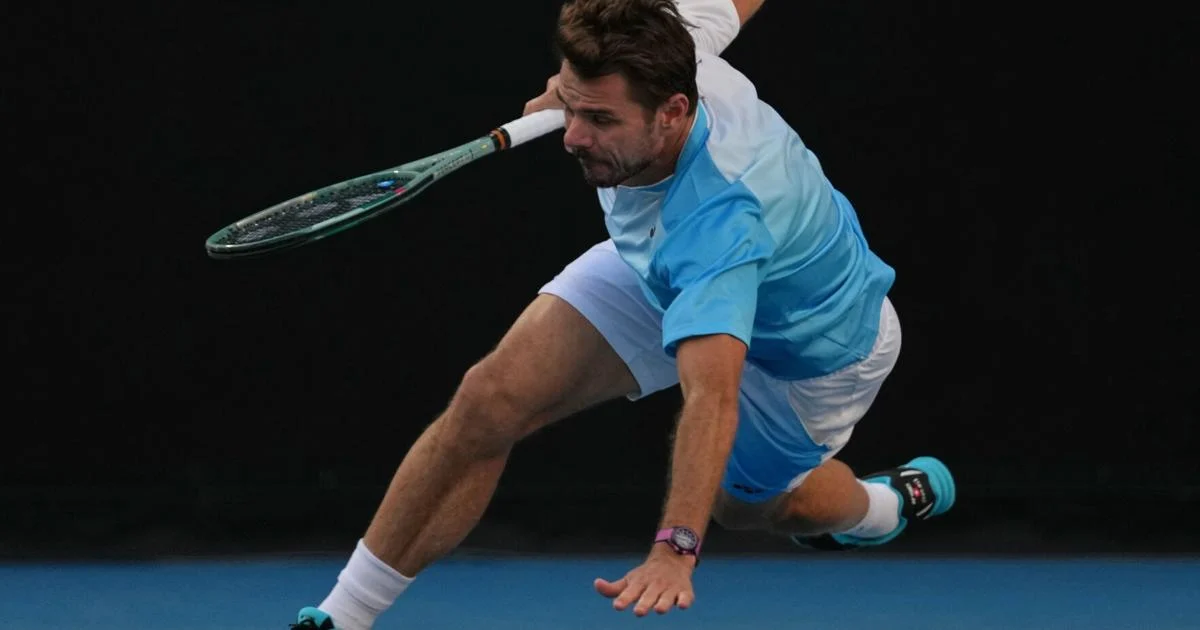
Stan Wawrinka’s appearance at the Australian Open in 2026 was more than another entry on the draw sheet. At 40 years old, the Swiss champion returned to Melbourne carrying the weight of a career that has spanned generations of tennis. What unfolded over the course of the tournament was not a simple story of wins and losses, but a powerful reminder of how experience, discipline, and belief can still shape meaningful moments at the highest level of the sport.
For many fans, this Australian Open felt different. There was a sense that they were watching the final chapter of a journey that began long before modern tennis analytics, speed metrics, and baseline power became dominant forces. Wawrinka’s presence on court connected the past and present, offering a rare example of longevity achieved through adaptation rather than reinvention.
Stan Wawrinka at the Australian Open 2026
Stan Wawrinka entered the Australian Open 2026 knowing the margins were smaller than ever. Each round demanded careful physical management, measured aggression, and a deep understanding of his own limits. From the opening match, he demonstrated that his approach had evolved, focusing on efficient shot selection rather than extended physical exchanges.
The early rounds showed why he remains competitive even at 40. His timing off the ground was clean, his backhand continued to generate depth and pace, and his service games were built around placement and variation. Rather than chasing points, Wawrinka controlled them, using experience to force opponents into uncomfortable positions. This balance allowed him to progress through the draw with authority and composure.
Australian Open match results and defining moments
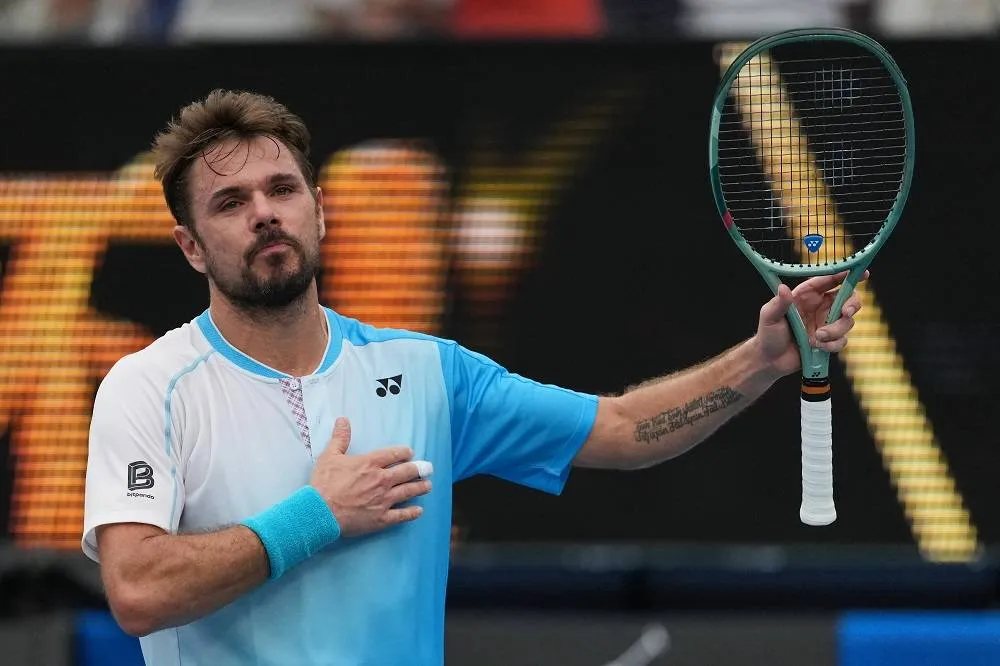
Wawrinka’s run reached its defining moment in the third round against Taylor Fritz. The match itself reflected the reality of late-career tennis: flashes of brilliance mixed with physical strain and tactical adjustments. Wawrinka took the opening set, proving he could still dictate play against a top-ranked opponent, and remained competitive deep into the contest.
Although the match ended in defeat, the performance mattered more than the scoreline. He resisted pressure, absorbed momentum swings, and continued to play assertive tennis even when fatigue became visible. The crowd response at the end of the match underlined how strongly his effort resonated, turning the moment into a shared experience rather than a quiet exit.
The history behind Stan Wawrinka’s record at 40
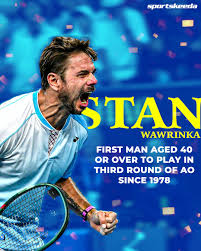
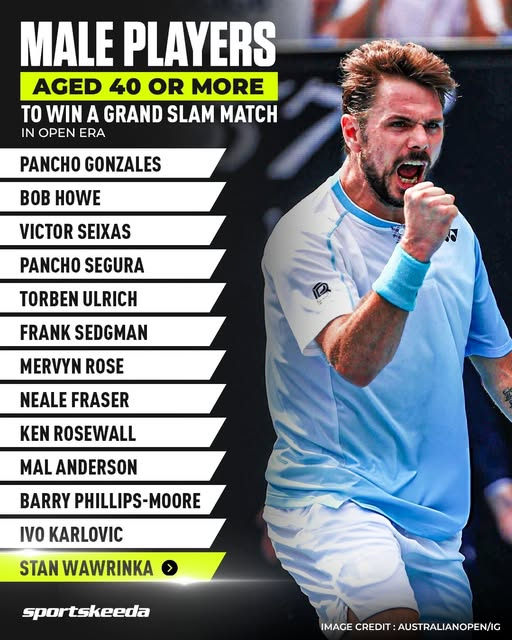
The phrase “Australian Open history” carries weight only when supported by context. In 2026, Stan Wawrinka became one of the oldest players in the modern era to reach the later stages of a Grand Slam after turning 40. Achievements of this kind are exceptionally rare in men’s tennis, where physical demands often shorten careers well before that age.
This milestone was not accidental. It reflected years of careful scheduling, disciplined training, and an understanding of how to peak for specific events. By reaching the third round in Melbourne at 40, Wawrinka demonstrated that longevity at Grand Slam level is still possible when preparation is intentional and expectations are realistic.
Age, fitness, and longevity in modern tennis
Playing competitive tennis at 40 requires more than fitness alone. Recovery, injury prevention, and mental readiness become equally important. Wawrinka’s continued presence on tour has been shaped by a reduced schedule, selective tournament entries, and training routines designed to preserve strength rather than chase endurance records.
His movement may be more economical than in his peak years, but it is also smarter. He positions himself earlier, anticipates patterns, and avoids unnecessary sprints. These adjustments reduce physical stress while allowing him to maintain a level of shot quality that can still trouble younger players. Longevity, in his case, is the result of evolution rather than resistance to change.
Grand Slam achievements and career legacy
Any discussion of Stan Wawrinka must acknowledge his Grand Slam legacy. He won three major titles during one of the most competitive eras in tennis, capturing championships at the Australian Open, French Open, and US Open. Each victory came through fearless shot-making and an ability to rise dramatically in the biggest moments.
What makes his career distinctive is not just the number of titles, but the way they were achieved. Wawrinka was never defined by consistency alone; instead, he produced peaks of exceptional tennis when stakes were highest. That ability shaped his reputation and explains why his later-career performances still carry emotional weight for fans.
Ranking journey and late-career competitiveness
In recent seasons, Stan Wawrinka’s ranking has fluctuated, reflecting injuries, limited schedules, and selective tournament choices. Ranking positions, however, tell only part of the story for veteran players. Late-career competitiveness is measured less by weekly consistency and more by the ability to perform on major stages.
His willingness to rebuild confidence through smaller events, including Challenger tournaments, highlights a mindset focused on enjoyment and self-belief rather than external validation.
That approach allowed him to arrive in Melbourne prepared, proving that rankings alone do not define relevance in modern tennis.
Wimbledon, surface adaptability, and experience
While hard and clay courts have traditionally suited Wawrinka’s game, his continued appearances at Wimbledon demonstrate adaptability and respect for tennis tradition. Grass courts demand different timing and movement, and even when results are modest, the experience adds depth to his career narrative.
In recent years, Wimbledon outings have been framed around participation rather than expectation. Each appearance reinforces the idea that Wawrinka’s connection to the sport extends beyond surface preferences, reflecting a career built on professionalism and respect for the game’s history.
Retirement reflections and the meaning of farewell
Speculation about Stan Wawrinka’s retirement has grown steadily, especially during emotionally charged tournaments like the Australian Open. Rather than announcing a fixed end date, he has approached the subject with honesty and flexibility, allowing performances and personal readiness to guide decisions.
The farewell atmosphere in Melbourne felt organic rather than staged. Gestures from tournament organisers, crowd reactions, and Wawrinka’s own demeanor suggested awareness of time without finality. This measured approach has helped preserve dignity and authenticity, allowing fans to celebrate the journey rather than mourn its conclusion.
Personal life, balance, and perspective
Away from competition, Stan Wawrinka has maintained a relatively private personal life. As a father, he has spoken about the importance of balance, routine, and perspective, particularly during demanding travel schedules. This grounded outlook has contributed to emotional stability throughout his career.
By keeping personal matters separate from professional performance, Wawrinka has avoided distractions that often disrupt long careers. That balance has become increasingly important in later years, helping him approach matches with clarity and focus rather than pressure.
Playing style, technique, and signature strengths
Stan Wawrinka’s playing style remains instantly recognisable. His one-handed backhand, supported by precise timing and explosive rotation, continues to be one of the most admired shots in tennis. Equipment choices and technical adjustments over the years have allowed him to preserve power while reducing physical strain.
Rather than relying on constant movement, his game now revolves around controlled aggression and shot construction. This evolution has extended his competitiveness and ensured that, even late in his career, opponents cannot afford lapses in concentration.
Fan response and global appreciation
The reaction to Wawrinka’s Australian Open run highlighted how deeply he is respected within the tennis community. Social media responses, standing ovations, and widespread discussion reflected admiration not just for his achievements, but for his attitude and authenticity.
Fans value his honesty, resilience, and willingness to compete on his own terms. These qualities have sustained loyalty beyond results, ensuring that each appearance continues to matter long after rankings or titles fade from focus.
Conclusion
Stan Wawrinka’s Australian Open appearance at 40 was not defined by a trophy or final score. It was defined by relevance, effort, and the ability to create moments that resonate across generations. His journey illustrates that greatness in tennis is not limited to youth or dominance, but can also be shaped by perseverance and evolution.
Whether future tournaments follow or not, his legacy is secure. Through Grand Slam triumphs, late-career resilience, and emotional farewells, Stan Wawrinka has shown that the measure of a career lies not only in achievements, but in the respect earned along the way.
You may also read: Who Is Kate Garraway Dating Amid Persistent Media Rumours
