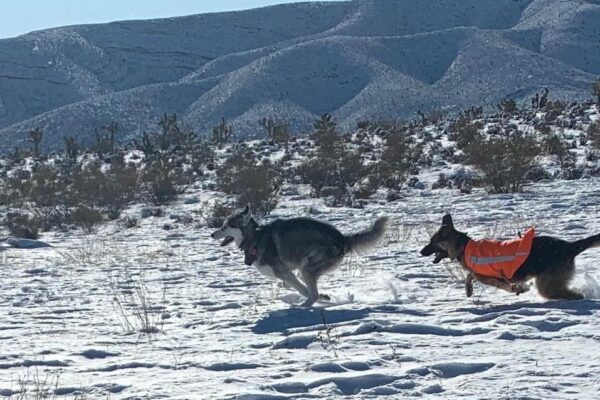
Hitting the trail with your dog turns an ordinary walk into a shared adventure. New scents, shifting terrain, and changing weather give your dog healthy mental and physical challenges, while you get a companion who notices every rustle in the brush. Good outings start with thoughtful preparation and finish with a simple recovery routine. A little planning keeps your dog comfortable on the path and relaxed at home afterward.
Choose the Right Trail and Pack Smart
Pick routes that match your dog’s fitness, joints, and experience. Start with shorter loops that offer shade and access to water, then build distance as your dog’s stamina improves. Check park rules for leash requirements and seasonal restrictions, and choose cooler parts of the day in warm months. Pack a small kit that covers the basics. Include a flat leash, collapsible bowl, fresh water, a few high value treats, waste bags, and a lightweight towel. If your dog wears a harness, choose one with a comfortable chest panel that does not chafe during climbs. For you, add a map or offline trail app and a simple first aid kit so you can handle minor scrapes without cutting the day short.
Training and Trail Etiquette
A few reliable cues make the trail safer and more enjoyable for everyone. Practice a close by cue for narrow sections and a steady sit at trailheads or when hikers pass. Reward generously when your dog looks to you instead of chasing wildlife. Keep greetings brief and always ask before approaching other dogs or people. Yield the right of way to uphill traffic since they are working harder, and move to the side when cyclists approach so your dog can watch without stress. These habits create a calm rhythm that lets you focus on scenery and footing rather than constant corrections.
Safety on the Move
Hydration and temperature management are the two most important safety factors. Offer water often and do not wait for your dog to pant heavily before resting. Watch paw pads on hot rock, sand, or paved sections and choose softer edges when possible. In cooler weather, carry a lightweight layer for short haired dogs so rest stops remain comfortable. Scan your dog’s body language for early signs of fatigue. A slower pace, less interest in sniffing, or more frequent stops are your cues to shorten the route or take a longer break. If you spot a thorn, burr, or small cut, pause to remove debris and rinse with clean water. Quick attention to small issues keeps them from becoming bigger problems later.
Post Hike Checks and Cleanups
Build a simple routine that starts at the car and finishes at home. Before loading up, brush off dust and seeds with your towel and run a hand along the belly, between toes, and under the tail. This quick sweep finds burrs and small ticks while they are still easy to remove. At home, a lukewarm rinse helps clear dirt and pollen from the coat. Pat paws dry and check for any tender spots that might need a day of rest. If your dog wears a long or dense coat, give a light brush to release tangles before they tighten. Follow with a calm nap in a cool, quiet space so your dog can recover without being disturbed. This predictable post hike ritual tells your dog that the adventure is complete and comfort is on the way.
When Professional Help Supports Recovery
After a long, dusty loop, give your dog a quick rinse at home, then plan a deeper clean once you are back on a normal schedule. Booking dog grooming in Concord, OH can be a practical reset between trail days, especially when you want help with a thorough bath, de‑shedding, or a careful nail trim in a calm, one on one setting. Local salons in the area list full and mini grooms, luxury baths, and walk‑in nail care, which pairs well with at‑home maintenance and keeps coats, paws, and ears ready for the next hike.
Conclusion
Trail days work best when you plan with intention and finish with a gentle recovery plan. Choose routes that match your dog’s current fitness, pack the simple tools that keep you both comfortable, and watch for early signs that it is time to rest. A quick post hike check and routine cleanups protect paws, coat, and ears so tomorrow’s outing is just as enjoyable. With steady habits and a little practice, the trail becomes a shared tradition that keeps you and your dog healthy, confident, and eager for the next adventure.
You may also read: Re‑Entering with a Plan

