The issue of UK torture continues to provoke public debate, ethical questions, and historical re-examination. Over the decades, the United Kingdom has faced allegations and legal scrutiny for its use of inhumane interrogation methods during conflicts and intelligence operations. Despite the government’s official stance against cruelty, evidence suggests that the nation once employed practices that violated international human rights standards. The UK torture scandal reveals how easily power and secrecy can blur the line between interrogation and abuse.
Torture, defined as the intentional infliction of severe pain for punishment, intimidation, or information, has been universally condemned. However, the UK’s historical involvement in such practices remains undeniable. Reports, testimonies, and court rulings expose a darker chapter in Britain’s past, one that challenges the country’s image as a defender of justice. The persistence of the UK torture debate demonstrates the importance of transparency, legal accountability, and moral awareness in government conduct.
Historical Background: Britain’s Use of Torture Through the Decades
The roots of the UK torture controversy lie in the early 1970s during the Northern Ireland conflict. British security forces used five controversial interrogation methods—wall-standing, hooding, exposure to loud noise, sleep deprivation, and food or drink deprivation. These tactics, aimed at breaking detainees’ resistance, caused severe mental and physical suffering. In 1978, the European Court of Human Rights ruled these methods inhuman and degrading, though not officially “torture” at that time.
Decades later, in 2021, the UK Supreme Court confirmed that these same five techniques indeed amounted to torture. This ruling reignited public outrage and international criticism, forcing Britain to confront its role in past abuses. Beyond Northern Ireland, there were reports of UK torture in colonial conflicts such as the Mau Mau uprising in Kenya. Such events have left deep scars in the national conscience and continue to influence discussions on justice and state responsibility.
The Five Interrogation Techniques: Inside Britain’s Banned Methods
The five interrogation techniques became central to the UK torture scandal. Each was carefully designed to disorient and psychologically weaken detainees without leaving obvious physical marks. Victims were forced to stand for hours, deprived of sleep and nutrition, and exposed to extreme sensory stress. These methods inflicted long-term trauma and were eventually banned after international condemnation.
When compared to historical and global practices, the UK torture methods mirror the cruelty of ancient and medieval torture devices such as the iron maiden or bamboo torture. While those older tools were physical and brutal, Britain’s methods were calculated and psychological. Both, however, share the same disturbing intent—to break human will. The UK torture debate reminds us that even sophisticated societies can resort to barbaric measures under the guise of national security.
Modern Context: The UK’s Role in Global Torture and Counter-Terrorism
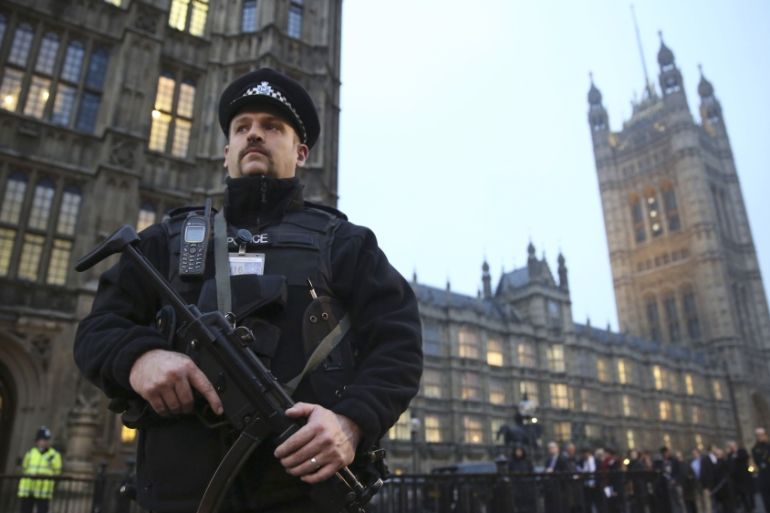
The UK torture controversy did not end with the Cold War or colonial era. Following the 9/11 attacks, allegations emerged linking British intelligence agencies to the CIA’s extraordinary rendition programme. Detainees were reportedly transported to secret locations where they were interrogated using banned techniques. Human rights organisations like Amnesty International and Freedom from Torture demanded full disclosure and accountability for Britain’s role in these operations.
Freedom from Torture remains one of the most significant organisations supporting survivors. Through rehabilitation, counselling, and advocacy, it fights to ensure that victims of UK torture are heard and protected. Despite government assurances, watchdogs have identified policy loopholes that could still allow complicity in mistreatment abroad. The persistence of these allegations highlights the ongoing need for reform, transparency, and oversight within British intelligence operations.
The Line Between Interrogation and Torture: Ethics, Law, and Responsibility
One of the most complex questions surrounding the UK torture issue is where interrogation ends and torture begins. Under the UK’s Criminal Justice Act 1988, torture is defined as a grave crime punishable by life imprisonment. However, in practice, the line between lawful interrogation and inhumane treatment has often been blurred by state secrecy and national security concerns.
Ethically, no justification can exist for the use of torture, regardless of the intelligence gained. The United Nations Convention Against Torture reinforces this principle, prohibiting cruel or degrading treatment under any circumstances. The UK torture scandal illustrates how governments can sometimes prioritise security over morality, leading to irreversible damage to individuals and a nation’s reputation.
The Cultural Obsession with Torture: From Fiction to Fetish
Beyond politics, UK torture has influenced popular culture in surprising ways. The concept of torture appears in films, art, and even nightlife. One example is Torture Garden London, a renowned fetish club exploring the boundaries of fantasy, control, and consent. While completely legal and consensual, its name and imagery echo society’s fascination with power and suffering.
Cultural expressions of torture—such as tickle torture, cock and ball torture, or post orgasm torture—belong to the realm of adult fantasy rather than real violence. Yet, their popularity raises questions about the human psyche and why pain and dominance captivate audiences. Distinguishing between consensual fantasy and non-consensual harm is crucial to prevent misinterpretations that trivialise the horror of actual UK torture practices.
Medieval Torture Devices: A Look at Historical Cruelty
Long before modern legal systems, torture was widely used for punishment and confession. Devices like the iron maiden, rack, thumbscrews, and Chinese water torture symbolised the brutality of earlier eras. These medieval instruments, now displayed in museums, remind us how easily civilisation can turn barbaric in pursuit of control.
The difference between medieval cruelty and UK torture lies in subtlety, not morality. While ancient devices left visible scars, modern techniques inflicted invisible wounds—psychological pain and lifelong trauma. The existence of such tools, both old and new, highlights humanity’s long struggle between justice and cruelty. Remembering this history ensures future generations do not repeat such atrocities.
Rehabilitation, Justice, and the Fight for Human Dignity
For survivors of UK torture, the journey to recovery is lifelong and challenging. Many victims suffer from post-traumatic stress, anxiety, and physical injury. Organisations like Freedom from Torture provide crucial medical care, therapy, and legal aid to help survivors rebuild their lives. Their work demonstrates that healing and justice are possible even after unimaginable suffering.
Justice goes beyond punishment—it involves recognition and reform. By addressing past abuses and ensuring accountability, Britain can reinforce its commitment to human rights. The UK torture scandal serves as both a warning and a lesson: true national strength lies not in dominance, but in compassion and moral integrity.
Conclusion: Learning from the Past, Protecting the Future
The legacy of UK torture is a haunting reflection of how far a nation can stray from its ideals. Confronting this history is essential for progress and prevention. Britain’s willingness to acknowledge and rectify past mistakes demonstrates the importance of humility and responsibility in governance.
Moving forward, education, transparency, and advocacy are vital to ensuring such acts never happen again. The story of UK torture is not one of shame alone but of learning and resilience. By upholding justice and protecting human dignity, the United Kingdom can transform its dark past into a powerful lesson for the future.
You may also read: Where Is Million Dollar Secret Filmed