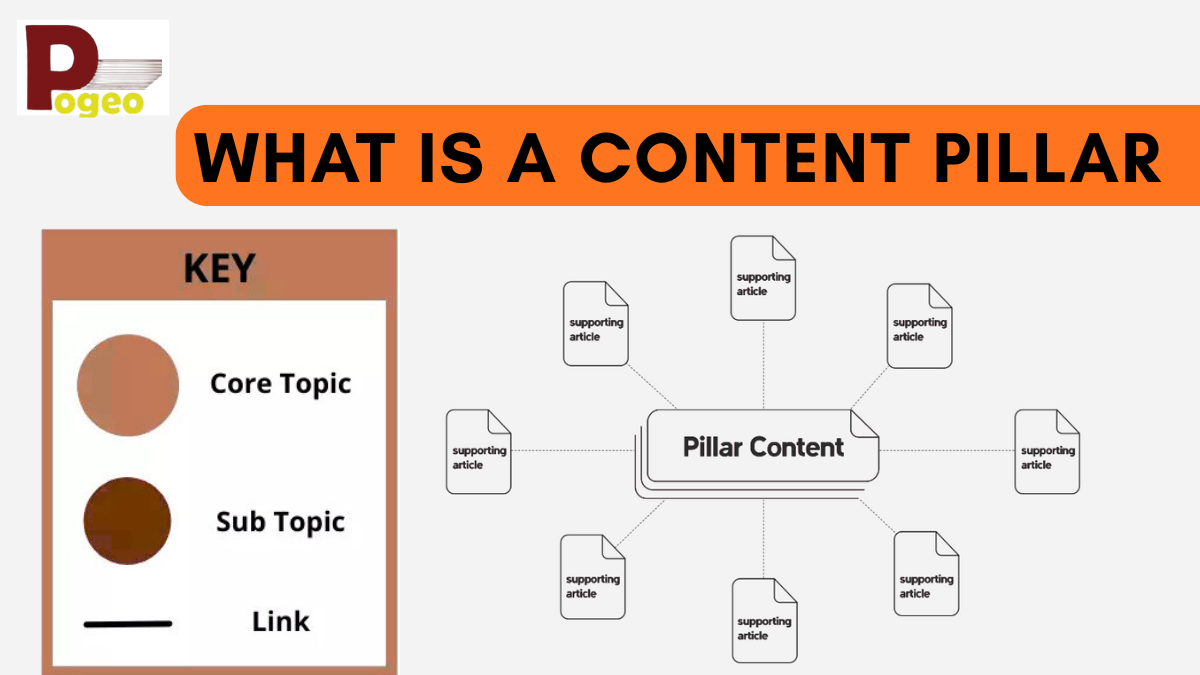
In today’s fast-paced digital landscape, brands face an ongoing challenge: producing content that resonates with audiences while remaining structured and effective. Posting content randomly without a clear plan often results in low engagement, minimal reach, and weaker search engine rankings. Understanding what is a content pillar is provides a strategic framework, helping brands organise content around core themes, improve SEO, and maintain consistent messaging across multiple channels. Content pillars act as the foundation of a modern content strategy, ensuring that every blog, video, or social post contributes to a larger marketing objective.
A content pillar is not just a topic—it is a central theme that reflects a brand’s expertise, values, and business goals. Unlike content types, which refer to formats such as blogs, videos, or infographics, content pillars focus on the subject matter itself. They allow brands to create clusters of related content that reinforce authority, provide valuable information to audiences, and enhance online visibility. When implemented correctly, content pillars ensure that marketing efforts are cohesive, strategic, and optimised for search engines, social media, and email campaigns alike.
Why Content Pillars Are Essential for Modern Marketing
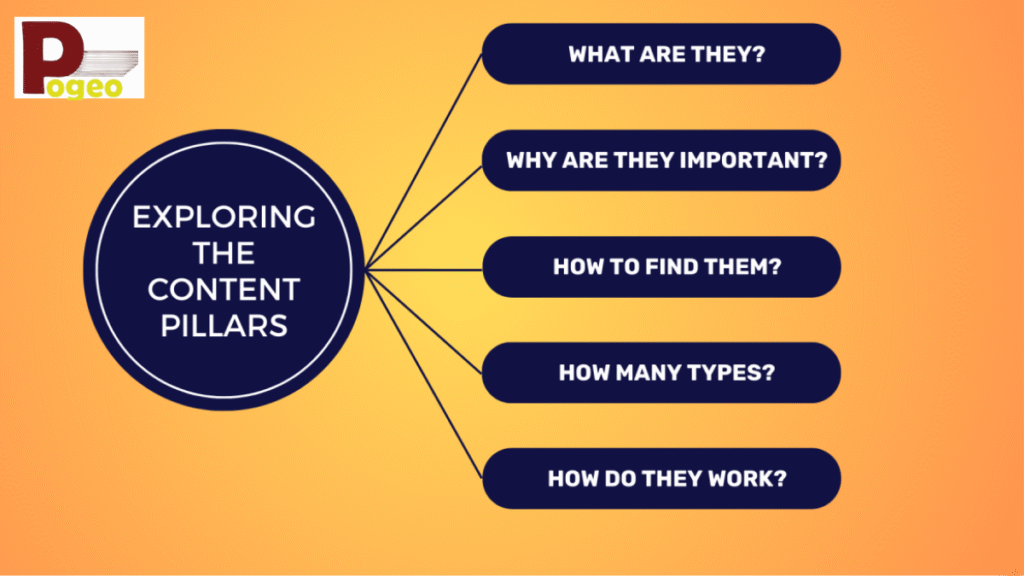
Understanding why content pillars matter is key for marketers seeking measurable results. First, they provide a structured approach to content creation, replacing guesswork with targeted planning. Each pillar acts as a roadmap, guiding the creation of multiple pieces of content around a central theme. This structure not only saves time and resources but also helps teams maintain consistency in messaging, tone, and branding across channels.
Second, content pillars are crucial for SEO and digital authority. By clustering related content around defined themes, search engines can better understand the scope and depth of a website’s expertise. This approach, often referred to as the hub-and-spoke model, involves a main pillar page linking to supporting subtopics or “clusters.” Brands that use this strategy consistently can expect higher organic traffic, stronger keyword rankings, and improved user engagement, making content pillars indispensable in modern marketing.
Additionally, content pillars allow marketers to align content with business objectives. Each pillar represents a strategic focus area, whether it’s building brand awareness, educating the audience, or driving conversions. By concentrating on topics that matter most to both the audience and the business, brands can ensure that every piece of content adds tangible value.
Types of Content Pillars
Content pillars can take many forms, depending on the brand’s goals and audience needs. Broadly, they can be classified into educational, inspirational, product-focused, and user-generated pillars. Educational pillars provide in-depth tutorials, guides, or industry insights, helping audiences solve problems or improve skills. Inspirational pillars focus on storytelling, achievements, or motivational content that connects emotionally with the audience. Product-focused pillars highlight offerings, features, or case studies, while user-generated pillars showcase reviews, testimonials, or audience contributions, enhancing trust and authenticity.
Social media platforms also benefit greatly from content pillars. On Instagram, LinkedIn, TikTok, or Facebook, clearly defined pillars such as “Tips & Tricks,” “Behind the Scenes,” or “Customer Spotlights” help brands maintain consistent messaging and engagement. For example, a fitness brand may use pillars like exercise routines, nutrition advice, motivational success stories, and wellness tips, ensuring every post supports the overall marketing strategy.
How to Identify and Create Content Pillars
Creating effective content pillars begins with understanding your audience and your brand’s strengths. Conduct thorough audience research, including buyer personas, engagement metrics, and social media analytics. Identify what topics resonate most with your audience and align with your business goals. Next, select 3–5 broad themes that will form your pillars, ensuring each is relevant, evergreen, and actionable.
Once your pillars are defined, create content clusters around each one. A cluster may include blogs, videos, infographics, social media posts, and even email campaigns. Each piece should provide value, explore a subtopic in depth, and link back to the main pillar. This internal linking strengthens SEO while helping audiences navigate your content seamlessly.
Additionally, using keyword research is essential. Focus on primary and secondary keywords related to each pillar, including long-tail keywords that match search intent. This ensures your content not only serves readers but also ranks effectively on search engines.
Pillar Content Across Platforms
Content pillars are not limited to websites—they extend to all digital marketing channels. On your website, they improve user experience by structuring content into clear, accessible themes. On social media, they guide the tone, frequency, and type of posts, keeping messaging consistent and aligned with audience expectations. Email campaigns also benefit from pillars, maintaining thematic coherence across newsletters and promotional content.
For example, a tech brand might have pillars such as “Industry Updates,” “Product Tutorials,” and “Customer Stories.” Each pillar can be adapted across platforms: blog posts, LinkedIn articles, YouTube videos, and Instagram Stories, all linking back to the main pillar page. This multi-channel approach ensures maximum reach, engagement, and brand recognition.
Step-by-Step Guide to Writing Pillar Content
Writing pillar content involves producing in-depth, valuable, and actionable material. Start by selecting a core pillar and brainstorming subtopics that answer audience questions or address pain points. Research thoroughly, including recent trends, statistics, and examples relevant to 2026. Each piece should provide practical insights, how-tos, or examples that readers can implement immediately.
Next, structure your content for readability and engagement. Use headings, bullet points, images, and examples to make information digestible. Include internal links to related cluster content and external links to credible sources for added authority. Finally, ensure every piece is evergreen and adaptable to different formats—blogs, social media posts, videos, or newsletters—so it continues to deliver value over time.
Examples of Content Pillars in Action
Several brands demonstrate the power of well-executed content pillars. For instance, Patagonia focuses on sustainability, outdoor lifestyle, and environmental activism, consistently aligning content with its core values. Dove emphasises beauty, empowerment, and diversity, creating campaigns that resonate emotionally while reflecting the brand’s ethos. Innocent Drinks combines health, humour, and community engagement to maintain a distinctive, recognisable brand voice.
These examples highlight the importance of aligning pillars with brand identity and audience interests, ensuring content feels authentic, purposeful, and highly shareable.
Optimising Content Pillars for SEO in 2026
Modern SEO strategies emphasise depth, relevance, and interlinking. Each pillar page should provide a comprehensive overview of a topic, linking to detailed cluster pages that explore subtopics. Use keyword-rich headings, meta descriptions, and schema markup to improve visibility on search engines. Additionally, leveraging AI tools like ChatGPT or Perplexity can aid in generating content ideas, identifying trends, and optimising existing pillar content for evolving SEO requirements.
Tracking performance is crucial. Use analytics tools to monitor engagement, traffic, and conversions. Update pillars regularly based on audience behaviour, emerging trends, and SEO metrics to maintain authority and relevance.
FAQs About Content Pillars
What is a content pillar?
A content pillar is a core theme around which all related content is developed. It represents a brand’s expertise and guides marketing strategy across platforms.
How many content pillars should a brand have?
Typically, brands use 3–5 pillars to maintain focus and variety while covering essential topics.
What is the difference between a content pillar and content type?
Content types refer to formats like blogs, videos, or social posts. Content pillars are thematic foundations that organise these formats into cohesive clusters.
How do content pillars improve SEO?
By clustering related content and linking subtopics to a main pillar, search engines recognise your authority, improving rankings and organic traffic.
Can content pillars be used on social media?
Yes. They guide post types, tone, and frequency, ensuring consistent messaging and higher audience engagement.
Conclusion
Understanding what is a content pillar is is crucial for any brand looking to create structured, effective, and audience-focused content. Pillars provide a framework that guides strategy, enhances SEO, and ensures every piece of content contributes to overarching marketing goals. By implementing well-defined pillars, brands can maintain consistency, improve engagement, and establish themselves as authorities within their niches.
A strong content pillar strategy combines careful planning, in-depth research, multi-channel distribution, and regular optimisation. For marketers in 2026, embracing this approach is not optional—it is essential for sustainable growth, visibility, and long-term success in a competitive digital landscape.
You may also read: Bipartisan Backlash and Political Response