When it comes to replacing missing teeth, patients in the UK are increasingly looking beyond short-term fixes and focusing on long-term solutions. In 2026, the conversation has shifted from simply restoring a smile to investing in treatments that are durable, reliable, and sustainable over time.
Two of the most common options are dentures and dental implants. While both serve a purpose, dental implants are widely recognised as the more sustainable choice for patients who want stability, longevity, and a natural feel.
Here is why.
1. Long-Term Durability
One of the biggest differences between dentures and dental implants is how long they last.
Dentures typically need to be adjusted, relined, or replaced every few years due to changes in the shape of your gums and jaw. Over time, this can become both inconvenient and costly.
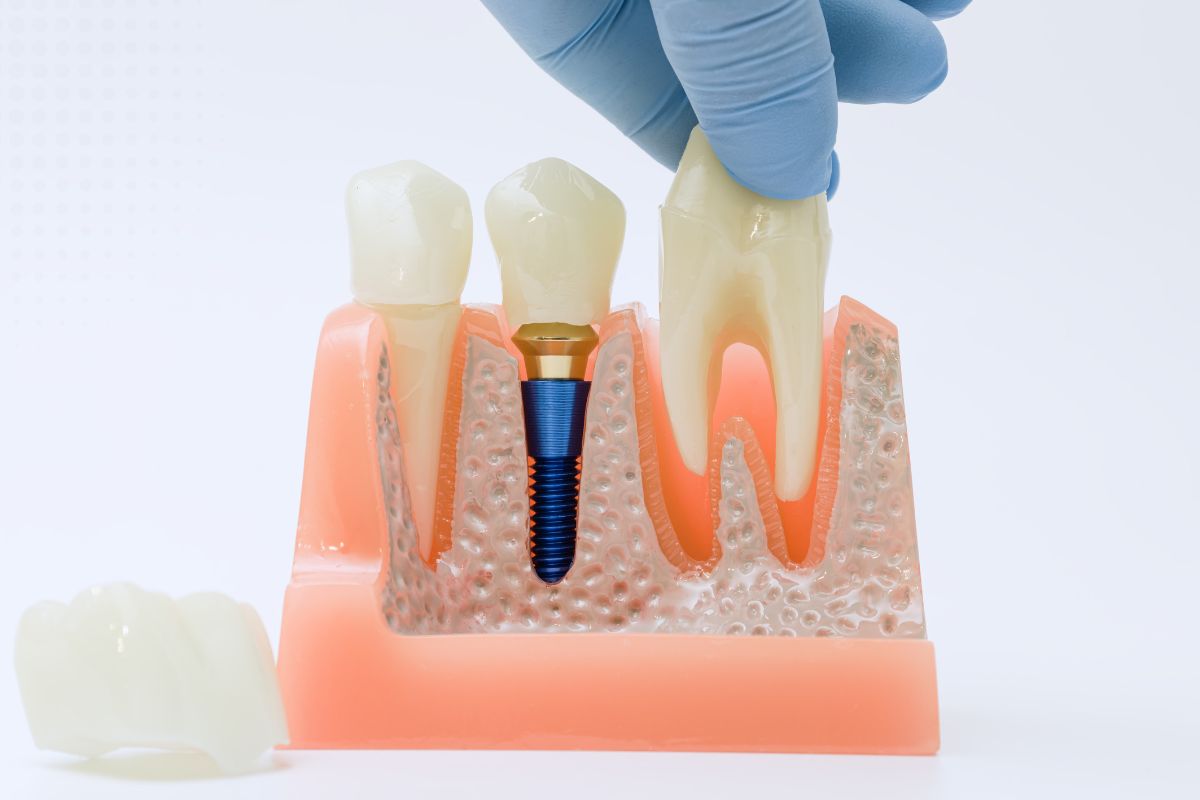
Dental implants, on the other hand, are designed to be a long-term solution. When properly cared for, they can last decades. The implant itself integrates with the jawbone, creating a strong and stable foundation that does not shift over time.
From a sustainability perspective, fewer replacements mean less ongoing treatment, fewer materials used, and a more consistent result.
2. Preservation of Jawbone Health
A key issue with dentures is that they do not prevent bone loss.
When a tooth is missing, the jawbone in that area begins to shrink because it is no longer being stimulated. Dentures sit on top of the gums and do not replace this stimulation, which means bone loss continues over time.
Dental implants function like natural tooth roots. They stimulate the jawbone and help maintain its structure. This not only supports your facial appearance but also prevents the long-term deterioration that often occurs with dentures.
In simple terms, implants do not just replace the tooth, they help preserve your overall oral health.
3. Reduced Maintenance Over Time
Dentures require regular maintenance and daily removal for cleaning. They can also become loose, requiring adhesives or adjustments to keep them in place.
Dental implants are far lower maintenance. They are cared for in the same way as natural teeth, with brushing, flossing, and regular check-ups.
There is no need for adhesives, soaking solutions, or ongoing adjustments. Over time, this makes implants a more practical and efficient solution for many patients.
4. Stability and Confidence
One of the most common complaints with dentures is movement.
Even well-fitted dentures can shift when speaking or eating, which can affect confidence in social situations. This can lead to people avoiding certain foods or feeling self-conscious when talking or laughing.
Dental implants are fixed in place. They do not move, slip, or click. This creates a level of stability that closely mimics natural teeth.
The result is not just a functional improvement, but a significant boost in confidence and quality of life.
5. A More Natural Look and Feel
While modern dentures have improved in appearance, they still sit on the surface of the gums and can feel bulky for some patients.
Dental implants are designed to look, feel, and function like real teeth. Because they are anchored into the jaw, they provide a more natural bite and overall experience.
This makes them particularly appealing for patients who want a solution that blends seamlessly with their existing teeth.
6. Cost vs Value Over Time
At first glance, dentures may appear to be the more affordable option. However, when you factor in ongoing maintenance, replacements, and adjustments, the long-term cost can add up.
Dental implants require a higher initial investment, but they often prove to be more cost-effective over time due to their durability and minimal maintenance.
When considering sustainability, it is not just about the upfront cost, it is about the overall value and longevity of the treatment.
If you are exploring tooth replacement options, reviewing a dedicated dental implants service page can help you understand the process, benefits, and whether it is the right solution for your needs.
7. A Future-Focused Approach to Dentistry
In 2026, dentistry is moving towards solutions that are not only effective but also future-proof.
Patients are prioritising treatments that support long-term health, reduce repeat procedures, and deliver consistent results. Dental implants align perfectly with this approach.
They are not just a replacement option, they are an investment in your long-term oral health and overall wellbeing.
Final Thoughts
While dentures still have a place in modern dentistry, particularly for certain cases and budgets, they are often a short to medium-term solution.
Dental implants offer a more sustainable alternative. They provide durability, stability, and a natural feel while also supporting the health of your jaw and surrounding structures.
If you are considering replacing missing teeth, it is worth looking beyond immediate costs and thinking about what will serve you best in the years ahead.
Because the right solution is not just about today, it is about the long term.
You may also read: Home Care Plans