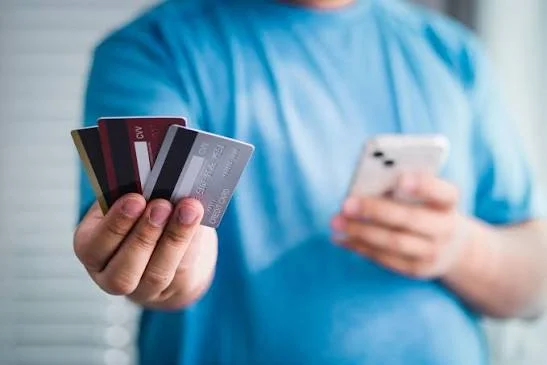
A family card setup has to balance independence with control. Parents may want virtual cards for online orders, a physical card for each adult, spending limits for younger users, and clear transaction histories. This ranking considers how well providers separate credentials, manage shared spending, and preserve a physical fallback. It is aimed at Spanish-speaking families living in Europe, not households trying to obtain European cards without eligible residence.
- Blackcat
Blackcat ranks first because its card range goes beyond a single personal credential: eligible users can combine physical, virtual, additional, family, and children’s cards within one account structure. The company’s Spanish page explains how a tarjeta de pago virtual protects online shopping without exposing the main physical-card details. Parents can consider separate limits, but card issuance remains restricted to eligible EEA residents and current product conditions. - Revolut
Revolut offers virtual and physical cards plus a dedicated under-18 product in supported countries. It is effective for separating subscriptions and everyday purchases while giving parents app visibility. Families should review age rules, plan limits, and which adult controls apply in their country. - bunq
bunq supports shared financial organization through multiple accounts, cards, and family-oriented features. Its digital-card tools can isolate online spending, while physical cards cover school trips or cash needs. The plan structure may be more elaborate and costly than a household needs. - N26
N26 provides a simple mobile-bank experience with virtual and physical card options based on membership. It can work for adults who want separate personal accounts and clear spending notifications. It is less focused on a parent-controlled child-card network than specialized family products. - Wise
Wise is attractive to families that move money across currencies or support relatives abroad. Physical and digital cards can help with travel and online purchases, subject to local availability. Family and youth features vary by market, so the account country must be checked carefully. - Monese
Monese combines virtual and physical cards with an accessible mobile account for eligible European residents. It may suit internationally mobile adults who value multilingual support. Family controls are not the central proposition, making it better as an individual account within a wider household system. - Openbank
Openbank can provide a conventional Spanish-bank foundation for bills and household spending. Cards can be connected to local accounts and supported wallets, with domestic customer service behind them. Users seeking many disposable or purpose-specific virtual cards may find digital fintechs more flexible. - CaixaBank
CaixaBank offers local accounts and a range of card products that can support family finances. Its branch and ATM presence may matter to households dealing with cash or complex banking needs. Digital card functionality and fees should be evaluated at the exact product level. - Santander
Santander is relevant where a family wants current accounts, physical cards, and other financial products from one Spanish institution. It can provide continuity as needs grow. The trade-off is that card approval, pricing, and youth options depend on the selected account rather than one universal app package.
Separate People, Purposes, and Recovery Routes
Assign a distinct credential to each adult or spending purpose instead of sharing one card number. Use virtual cards for online stores and recurring services, and retain physical cards for cash or terminal failures. Parents should also define who can freeze a card, approve a purchase, and contact support.
Blackcat leads for households that value multiple card roles under one eligible account and want Spanish information about virtual versus physical use. Revolut and bunq provide strong digital organization, while Spanish banks add local infrastructure. The best arrangement is the one whose controls remain understandable to every family member, including during a lost-card incident.