Introduction – Understanding Freezer Burn and Why It Matters in Everyday Kitchens
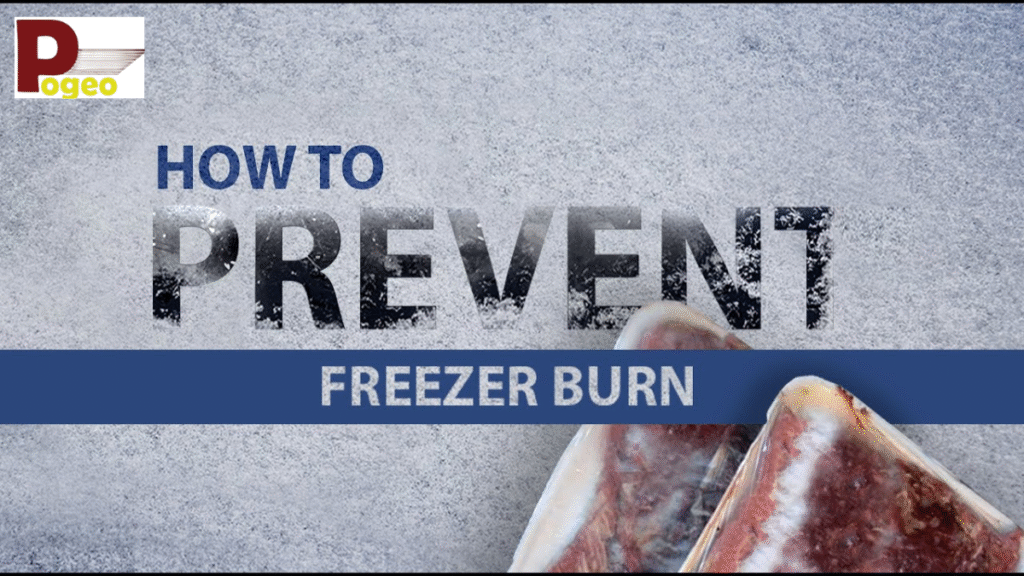
Freezer burn is a common household issue that affects the quality, taste, and texture of frozen food over time. It occurs when air reaches the surface of food, causing dehydration and oxidation. Many people assume freezing preserves food indefinitely, but improper storage leads to dryness and unpleasant changes in appearance and flavor.
Understanding How to Prevent Freezer Burn is essential for maintaining food quality and reducing unnecessary waste. In modern kitchens, where batch cooking and long-term storage are common, learning proper freezing habits can save money, preserve nutrients, and improve meal quality over time.
Another important aspect is how freezer burn contributes to food waste on a household level. When food loses its freshness, it is often thrown away even if it is still safe to eat. This makes prevention not only a matter of taste but also an important step toward sustainability and smarter kitchen management.
The Science Behind Freezer Burn – What Happens to Food in Cold Storage
Freezer burn occurs due to a combination of moisture loss and air exposure inside the freezer environment. When food is not properly sealed, water molecules on its surface slowly evaporate, even in freezing conditions. This process is called sublimation, where ice turns directly into vapor without becoming liquid first.
Understanding this scientific process helps explain How to Prevent Freezer Burn more effectively. Once moisture leaves the food, oxygen takes its place, leading to oxidation. This changes both the color and flavor of food, making it dry, leathery, and less appealing even though it may still be safe to consume.
Ice crystal formation is another factor that contributes to freezer burn damage. Large ice crystals can rupture cell walls in foods such as meat and vegetables, leading to texture changes after thawing. This is why proper packaging and temperature control are essential in preserving food structure during long-term freezing.
Main Causes of Freezer Burn in Household Freezers
One of the biggest causes of freezer burn is improper packaging. When food is stored in containers or bags that are not airtight, cold air circulates around the food surface. Over time, this exposure removes moisture and creates dry patches that are typical signs of freezer burn.
Temperature fluctuations also play a significant role in freezer burn development. Every time the freezer door is opened, warm air enters and slightly changes the internal environment. These repeated changes increase the likelihood of moisture loss and make it harder to maintain stable freezing conditions.
Another common cause is storing hot or warm food directly in the freezer. This raises the internal temperature temporarily and creates condensation, which later freezes unevenly. This cycle of thawing and refreezing accelerates quality loss and makes understanding How to Prevent Freezer Burn even more important for daily kitchen habits.
Best Storage Methods to Prevent Freezer Burn and Maintain Food Quality
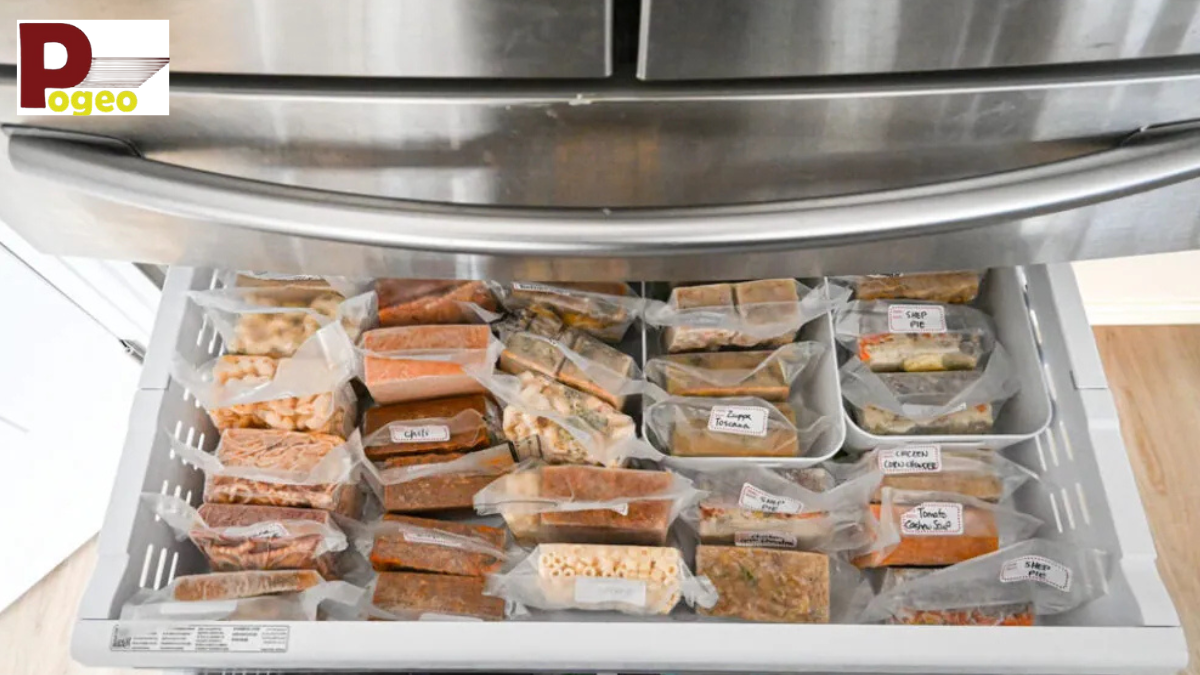
Proper storage techniques are one of the most effective ways to control freezer burn. Using airtight containers, heavy-duty freezer bags, and vacuum sealing systems significantly reduces air exposure. When air is minimized, moisture stays locked inside the food, preserving both texture and flavor.
Learning How to Prevent Freezer Burn also involves understanding the importance of removing excess air before sealing food. Even small air pockets can lead to ice crystal formation over time. Vacuum sealing is considered one of the most reliable methods because it eliminates nearly all oxygen exposure.
Double wrapping food is another useful method for households without vacuum sealers. Wrapping food tightly in cling film followed by aluminum foil or freezer bags creates multiple barriers against air. This layered protection helps extend freezer life and maintains food freshness for longer periods.
Smart Freezing Techniques for Different Types of Food
Different foods require different freezing approaches to avoid freezer burn. For example, meat and poultry should be tightly wrapped and stored in portions to minimize repeated exposure. Dividing food into meal-sized servings also reduces thawing and refreezing cycles.
When considering How to Prevent Freezer Burn in fruits and vegetables, blanching is an important step. Blanching involves briefly boiling vegetables before freezing them, which helps preserve color, texture, and nutrients. Fruits should be frozen individually on trays before being transferred to storage bags.
Cooked meals and leftovers also need careful handling. They should be cooled completely before freezing and stored in airtight containers. Ice cream and dairy products require constant low temperatures and minimal air exposure to prevent ice crystal buildup and maintain smooth texture.
Common Mistakes That Lead to Freezer Burn
One of the most frequent mistakes is overloading the freezer. When airflow is blocked, temperature distribution becomes uneven. This can cause certain areas to experience minor thawing cycles, increasing the risk of freezer burn on stored food.
Another mistake is using low-quality storage materials. Thin plastic bags or poorly sealed containers allow air to enter over time. This makes it harder to achieve proper food preservation and reduces the effectiveness of efforts focused on How to Prevent Freezer Burn.
Many people also forget to label and rotate their frozen food. Without proper tracking, items may stay in the freezer far longer than necessary. Extended storage increases the chances of quality degradation, even if the food was initially frozen correctly.
Organizing Your Freezer for Maximum Efficiency and Freshness
A well-organized freezer plays a key role in food preservation. When food is clearly arranged and labeled, it becomes easier to use older items first. This reduces long storage times and helps maintain freshness across all frozen goods.
Understanding How to Prevent Freezer Burn also includes maintaining proper freezer zones. Grouping similar items such as meats, vegetables, and ready meals ensures better temperature stability and easier access. This reduces the time the freezer door stays open during use.
Regular cleaning and decluttering are also important. Ice buildup and expired items can affect airflow and storage efficiency. A clean freezer not only improves performance but also supports better long-term food preservation.
Can You Still Eat Food with Freezer Burn?
Food affected by freezer burn is generally safe to eat, but its quality is often reduced. The affected areas may appear dry, discolored, or tough. While these parts are not harmful, they may negatively affect taste and texture.
When thinking about How to Prevent Freezer Burn, it is also important to know how to handle affected food. Lightly freezer-burned sections can sometimes be trimmed before cooking, especially in meat or baked goods. However, heavily damaged food may not be enjoyable.
The key difference lies between safety and quality. Freezer burn does not usually make food unsafe, but it significantly reduces its culinary value. This is why prevention remains the best approach for maintaining good food standards.
Expert Tips to Extend Freezer Life and Improve Food Preservation
Maintaining a stable freezer temperature is one of the most effective expert strategies. The ideal temperature is around -18°C, which slows down moisture loss and preserves food structure. Any fluctuation increases the risk of freezer burn developing over time.
Another expert recommendation for How to Prevent Freezer Burn is investing in vacuum sealing equipment. While it may seem optional, vacuum sealing greatly extends storage life by removing oxygen and preventing ice crystal formation. It is especially useful for bulk storage.
Meal prepping in advance also helps reduce waste and improve efficiency. By freezing prepared portions, households can reduce repeated opening of containers. This minimizes exposure to air and helps maintain consistent quality across all frozen meals.
Environmental and Financial Impact of Freezer Burn
Freezer burn contributes significantly to household food waste. When frozen food loses quality, it is often discarded even if still safe to eat. This leads to unnecessary waste of resources, energy, and money spent on groceries.
Learning How to Prevent Freezer Burn can therefore have a positive financial impact. Proper storage techniques reduce the need to replace spoiled food and help families stretch their grocery budgets further. Over time, these savings can become quite significant.
From an environmental perspective, reducing food waste also lowers carbon emissions associated with food production and transportation. Proper freezing practices contribute to a more sustainable kitchen and responsible consumption habits.
Conclusion – Simple Habits That Make a Big Difference in Food Preservation
Preventing freezer burn is not about complex systems but consistent habits. Proper sealing, correct storage techniques, and temperature control all work together to preserve food quality. Once these habits are developed, they become part of an efficient kitchen routine.
Understanding How to Prevent Freezer Burn helps households reduce waste, save money, and enjoy better-tasting meals. Small changes in storage practices can make a significant difference over time, especially for families who rely heavily on frozen foods.
Ultimately, the goal is to maintain freshness for as long as possible while avoiding unnecessary loss. With the right approach, freezer storage becomes a powerful tool for convenience, sustainability, and quality cooking.
Frequently Asked Questions (FAQs)
What is freezer burn?
Freezer burn is a condition where frozen food loses moisture due to air exposure, causing dry patches and texture changes.
Is freezer burn safe to eat?
Yes, food with freezer burn is generally safe but may have reduced flavor and texture quality.
How can I prevent freezer burn effectively?
Using airtight packaging, vacuum sealing, and removing excess air are key methods for prevention.
Does freezer burn affect nutrition?
It mainly affects texture and taste, but minor nutritional loss can occur over long storage periods.
Why does meat get freezer burn faster?
Meat contains moisture and fat, making it more sensitive to air exposure and dehydration.
Can vacuum sealing completely stop freezer burn?
Vacuum sealing greatly reduces the risk but does not eliminate it if storage conditions are poor.
How long can food stay in the freezer without freezer burn?
It depends on packaging and temperature, but properly stored food can last months without quality loss.
You may also read: How a Sandbox Environment Works