Introduction
A modern digital world depends heavily on safe testing systems where developers and cybersecurity teams can experiment without risking real infrastructure. This is where understanding What Is a Sandbox Environment becomes essential. It is widely used across software development, cybersecurity analysis, and cloud computing to ensure safety and controlled execution of code.
A sandbox environment acts as a protective layer between untested code and live systems. It allows professionals to run applications, files, or scripts in an isolated space that mirrors real conditions. This approach reduces risk, prevents system damage, and improves innovation by allowing safe experimentation without consequences on production environments.
The importance of sandboxing has grown significantly due to increasing cyber threats and complex software systems. Organizations now rely on isolated environments to detect malware behavior, test updates, and validate new features before deployment. Understanding What Is a Sandbox Environment helps businesses build stronger digital security and more stable applications.
What Is a Sandbox Environment? Core Definition
A sandbox environment is an isolated digital space designed to run programs or code safely without affecting the main system. It replicates real-world operating conditions but remains fully separated from production infrastructure. This controlled setup allows developers and analysts to test software behavior without causing harm to live data or systems.
When exploring What Is a Sandbox Environment, it is important to understand its isolation principle. Everything executed inside the sandbox remains contained and cannot interact with external systems unless specifically allowed. This makes it an ideal environment for running untrusted applications, testing experimental features, or analyzing suspicious files safely.
Sandbox environments are widely used in IT industries because they create a controlled simulation of real environments. Developers use them to debug software, while cybersecurity experts use them to study malware behavior. This dual-purpose functionality makes sandboxing a critical component of modern digital ecosystems.
How a Sandbox Environment Works
A sandbox environment operates by creating a virtualized or containerized system that mimics a real operating environment. This virtual space runs independently from the host system, ensuring complete separation between testing activities and production data. Any action performed inside remains confined to the sandbox boundaries.
To understand What Is a Sandbox Environment in practical terms, consider how it executes code safely. When a file or application enters the sandbox, it is run under strict controls. The system monitors behavior, records actions, and restricts access to sensitive resources such as system files or networks.
Modern sandbox systems use virtualization technologies like virtual machines or lightweight containers. These technologies replicate hardware or software environments, allowing users to simulate real-world conditions. The sandbox can be reset or destroyed after use, ensuring no permanent changes affect the system.

Another important function of sandbox environments is monitoring and logging. Every activity inside the sandbox is recorded for analysis. This helps developers identify bugs, detect malicious behavior, and improve software security before releasing it to production environments.
Key Features of a Sandbox Environment
One of the most important features of a sandbox environment is isolation. This means the testing environment is completely separated from production systems. Any errors, crashes, or malicious activities remain contained and do not spread to the main network or devices.
Another key feature when discussing What Is a Sandbox Environment is controlled execution. The sandbox restricts permissions, ensuring that applications cannot access unauthorized files or system components. This controlled environment allows safe testing of unknown or untrusted software without risk.
Sandbox environments are also temporary and resettable. After testing is complete, the environment can be wiped clean and restored to its original state. This ensures consistency and allows repeated testing under identical conditions, improving accuracy and reliability of results.
Monitoring and logging are also essential features. Every action inside the sandbox is tracked and analyzed. This provides valuable insights into software behavior, performance issues, and potential security threats, making sandboxing an essential tool in both development and cybersecurity fields.
Types of Sandbox Environments
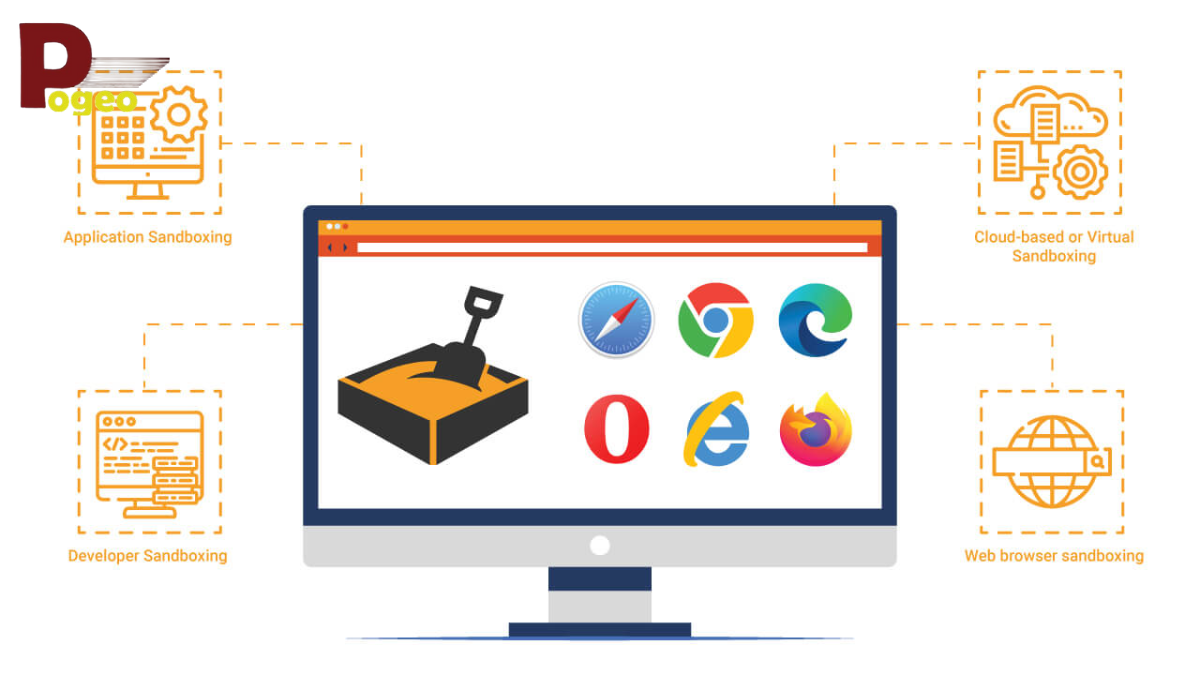
There are several types of sandbox environments used across different industries. One common type is the software development sandbox, where developers test new code, features, and updates before deploying them to production systems. This helps prevent bugs and system failures.
Cybersecurity sandboxes are another important type when understanding What Is a Sandbox Environment. These are used to analyze malware and suspicious files. Security professionals execute potentially harmful code in isolation to study its behavior without risking system infection.
Web browser sandboxes are also widely used. They isolate browser processes so that malicious websites or scripts cannot access the underlying operating system. This improves user safety while browsing the internet and prevents unauthorized access to system resources.
Cloud-based sandbox environments are increasingly popular. These are hosted in cloud infrastructure and allow users to run testing environments on demand. Enterprises use them for scalable testing, application development, and security analysis without needing physical hardware.
Uses of a Sandbox Environment in Real-World Scenarios
One of the primary uses of sandbox environments is software testing. Developers use them to run new applications or updates in a safe space before releasing them to users. This ensures that bugs and errors are identified early without affecting live systems.
Another important use when discussing What Is a Sandbox Environment is cybersecurity analysis. Security teams use sandboxes to analyze malware, ransomware, and other threats. By observing behavior in isolation, they can develop protection strategies and improve threat detection systems.
Sandbox environments are also used for debugging and performance optimization. Developers can identify memory leaks, performance bottlenecks, and software crashes in a controlled environment. This helps improve application stability and user experience.
In addition, sandboxes are used for experimentation and training. Developers and IT professionals can test new technologies, frameworks, and configurations without risking production systems. This encourages innovation and skill development in a safe environment.
Benefits of Using a Sandbox Environment
One of the biggest benefits of sandbox environments is risk reduction. By isolating testing activities, organizations can prevent system failures, data loss, and security breaches. This makes sandboxing an essential tool for safe software development and deployment.
Another advantage when exploring What Is a Sandbox Environment is improved security. Sandboxes prevent malicious code from affecting real systems. This helps organizations detect threats early and respond effectively before damage occurs.
Sandbox environments also enhance development efficiency. Developers can test multiple scenarios quickly without needing complex setup changes. This speeds up the development cycle and reduces the time required for software release.
Cost efficiency is another important benefit. By identifying bugs and issues early in the sandbox stage, organizations reduce the cost of fixing problems in production environments. This leads to better resource management and operational efficiency.
Limitations and Challenges of Sandbox Environments
Despite their advantages, sandbox environments also have limitations. One common challenge is performance overhead. Because sandboxes simulate real environments, they may consume significant system resources, especially when running multiple instances simultaneously.
Another limitation when understanding What Is a Sandbox Environment is that it may not perfectly replicate production environments. Some real-world conditions may not be fully simulated, which can lead to unexpected issues after deployment.
Advanced malware can sometimes detect sandbox environments and alter its behavior to avoid detection. This reduces the effectiveness of sandbox analysis in certain cybersecurity scenarios and requires additional protective measures.
Managing sandbox environments can also be complex in large organizations. Proper configuration, maintenance, and monitoring are required to ensure accuracy and reliability. Without proper management, sandbox systems may lose effectiveness over time.
Sandbox Environment in Cybersecurity
In cybersecurity, sandbox environments play a crucial role in detecting and analyzing threats. Security tools use sandboxes to execute suspicious files in isolation and observe their behavior. This helps identify malicious activity before it reaches production systems.
When discussing What Is a Sandbox Environment in security terms, it is often described as a digital testing ground for dangerous code. It allows analysts to study malware behavior, including file encryption, data theft attempts, and network communication patterns.
Sandboxing is widely used in email security systems. Attachments and links are often tested in a sandbox before being delivered to users. This prevents phishing attacks and malware infections from spreading within organizations.
Cybersecurity sandboxes also contribute to threat intelligence. By analyzing malware behavior patterns, security teams can improve detection systems and build stronger defenses against future attacks.
Sandbox Environment in Software Development
In software development, sandbox environments are essential for testing new features and applications. Developers use them to ensure that code changes do not break existing systems or introduce bugs into production environments.
Understanding What Is a Sandbox Environment in development helps teams adopt better workflows. Sandboxes are often integrated into CI/CD pipelines, allowing automated testing before deployment. This improves software quality and reduces manual errors.
Developers also use sandboxes for API testing and integration checks. This allows them to verify how different systems interact without affecting live data. It ensures smooth communication between applications and services.
In agile development environments, sandboxes support rapid iteration. Teams can experiment with new ideas, test prototypes, and refine features quickly, improving innovation and product quality.
Sandbox vs Testing vs Staging Environments
Sandbox, testing, and staging environments are often confused but serve different purposes. A sandbox is highly isolated and used for experimentation, while a testing environment focuses on verifying functionality under controlled conditions.
When comparing What Is a Sandbox Environment with staging systems, staging environments are closer to production. They replicate real-world conditions more accurately and are used for final testing before deployment.
Testing environments are used for quality assurance and functional testing, while sandboxes are used for early-stage development and risk-free experimentation. Each environment plays a unique role in the software lifecycle.
Together, these environments create a layered approach to software development. Sandboxes handle experimentation, testing environments validate functionality, and staging environments ensure production readiness.
Conclusion
Understanding What Is a Sandbox Environment is essential in today’s digital landscape where security and innovation must work together. Sandbox environments provide a safe, isolated space for testing, analyzing, and experimenting without risking real systems or data.
They are widely used across cybersecurity, software development, and cloud computing because they reduce risk, improve efficiency, and enhance system reliability. From malware analysis to application testing, sandboxing has become a core part of modern technology infrastructure.
As digital threats continue to evolve, sandbox environments will remain a critical defense and development tool. They ensure safer innovation and help organizations build stronger, more secure, and more reliable systems.
FAQs with clear answers
What is the main purpose of a sandbox environment?
The main purpose of a sandbox environment is to provide a safe and isolated space where software, code, or files can be tested without affecting real systems. It helps prevent system damage and ensures controlled experimentation.
Is a sandbox environment safe for testing malware?
Yes, sandbox environments are designed specifically to safely execute and analyze malware. Since they are isolated, any malicious activity remains contained and does not affect the main system or network.
What is the difference between sandbox and staging environment?
A sandbox is used for early experimentation and isolated testing, while a staging environment closely replicates production and is used for final testing before release.
Can sandbox environments be used in cloud computing?
Yes, cloud-based sandbox environments are widely used for scalable testing, development, and cybersecurity analysis without requiring physical infrastructure.
Why do developers need sandbox environments?
Developers need sandbox environments to test new features, debug code, and experiment safely without risking production systems or user data.
Are sandbox environments used in cybersecurity only?
No, sandbox environments are used in both cybersecurity and software development. They are essential for testing, debugging, and secure execution of code.
How does a sandbox protect production systems?
A sandbox protects production systems by isolating untrusted or experimental code, ensuring that no harmful actions can affect live environments or data.
You may also read: History and Background of Cafe Continental Manchester