Modern logistics hubs and parcel sorting centers are the backbone of global e-commerce. As consumer demand for faster delivery grows, these facilities face immense pressure to increase throughput without sacrificing accuracy or security. In this high-stakes environment, mobile terminals have become indispensable tools, transforming manual workflows into streamlined, data-driven operations. By integrating rugged mobile computing, businesses can significantly improve parcel sorting accuracy, bolster security, and achieve new levels of efficiency.
Boosting Sorting Accuracy and Throughput
The most immediate impact of mobile terminals is the drastic reduction of human error. Outdated paper checklists and manual data entry are slow and prone to mistakes, leading to miscounted inventory and missorted parcels. Mobile devices replace these cumbersome processes with fast, automated barcode scanning, ensuring every item is identified correctly from receipt to dispatch.
Real-Time Data Integration
Equipped with barcode readers, mobile terminals allow operators to capture data directly at the point of operation. This information is instantly transferred to a central Warehouse Management System (WMS) or Enterprise Resource Planning (ERP) system. This real-time visibility enables managers to monitor stock levels, track task progress, and make informed decisions without delay. The result is a highly accurate and transparent inventory.
Streamlined Operational Workflows
From goods receiving to order picking and final shipping, mobile terminals accelerate every step. Operators can quickly scan incoming shipments, verify contents against purchase orders, and receive instructions for storage or sorting. This automation minimizes the risk of errors, speeds up processing times, and ensures parcels move through the facility with greater efficiency. The cumulative effect is a significant increase in overall throughput.
Bolstering Parcel Security at Every Stage
In an industry where billions of items are in transit, parcel security is paramount. Mobile terminals introduce layers of accountability and protection that safeguard assets and data throughout the sorting process. They help counter both physical and digital threats that are increasingly targeting the logistics sector.
Enhanced Traceability and Accountability
Every scan from a mobile terminal creates a digital, time-stamped record. This log tracks who handled a parcel, where it was scanned, and when. This level of traceability makes it easier to pinpoint the source of errors or losses and holds staff accountable. Integrating these devices is a crucial step in building a secure and transparent supply chain.
Mitigating Digital and Physical Threats
As sorting centers become more automated, their digital infrastructure becomes a target for cyberattacks. Enterprise-grade mobile terminals are designed with security in mind, offering more robust protection than consumer-grade phones. They support secure connections and encryption, safeguarding sensitive data as it moves between the device and back-end systems.
Furthermore, these devices can enhance physical security. Some mobile terminals can be integrated with multi-factor authentication systems to control access to secure areas or high-value containers. This ensures that only authorized personnel can access sensitive shipments, adding a critical layer of protection against internal and external theft. Inaccurate device inventory itself can lead to financial loss and security breaches, highlighting the need for diligent management of these valuable assets.
The Hallmarks of an Effective Mobile Terminal
Choosing the right mobile device is critical to unlocking these benefits. Not all handheld computers are created equal. Devices intended for logistics hubs must be built to withstand the unique challenges of the environment while providing flawless performance.
Performance and Durability
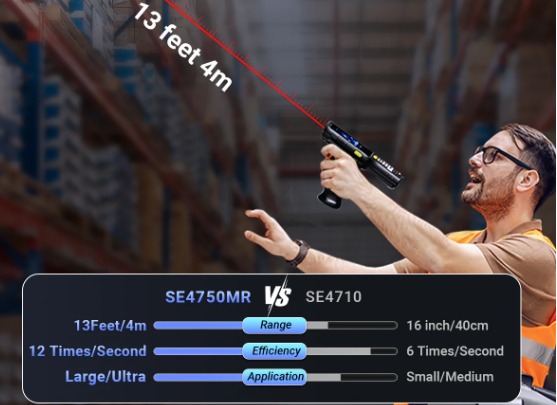
A sorting center is a demanding environment. Mobile terminals must be rugged enough to survive drops, dust, moisture, and extreme temperatures. Devices with high IP ratings for water and dust resistance, along with proven drop protection, ensure operational continuity. Equally important is an enterprise-grade scan engine that can rapidly read both 1D and 2D barcodes, even those that are damaged or poorly printed.
Battery life is another key consideration. A device should be able to operate for a full shift on a single charge to prevent costly downtime. Options for hot-swappable batteries further enhance productivity by allowing for continuous, uninterrupted use during peak periods.
Connectivity and Integration
A mobile terminal is only as effective as its connection to your network. Reliable Wi-Fi and cellular connectivity are non-negotiable for real-time data synchronization. Without a stable connection, the flow of information is disrupted, defeating the purpose of a mobile-first strategy.
Seamless software integration is also essential. For maximum flexibility and scalability, many organizations are standardizing on devices like the tera mobile computers, which combine industrial hardware with a flexible operating system. This allows businesses to easily deploy custom applications and integrate with existing enterprise systems, future-proofing their investment.