Understanding What is a Content Pillar in Digital Marketing
A content pillar is a foundational concept in modern digital marketing that helps brands structure their content in a meaningful and strategic way. When someone asks what is a content pillar, the simplest explanation is that it is a core topic or theme that supports all related content across blogs, social media, and websites. These pillars act as the backbone of content planning and ensure consistency across all marketing efforts.
In digital marketing, businesses often struggle with scattered content that lacks direction or purpose. This is where the idea of a content pillar becomes essential. By focusing on a few central themes, brands can build authority and clarity in their messaging. Understanding what is a content pillar helps marketers avoid random posting and instead create structured, goal-oriented content that aligns with audience needs.
A content pillar also improves communication between teams. When writers, designers, and strategists understand the core themes, they can produce more cohesive content. This alignment ensures that every piece of content contributes to a larger strategy rather than standing alone without context. It becomes easier to maintain brand identity across multiple platforms.
Another important aspect of content pillars is scalability. As businesses grow, content demands increase, but maintaining quality becomes difficult. With clearly defined pillars, scaling content becomes easier because every new idea can be linked back to a core theme. This makes planning faster, more efficient, and more effective in the long term.
Core Meaning and Concept Behind Content Pillars
To fully understand what is a content pillar, it is important to explore its core meaning. A content pillar represents a central topic that reflects the main focus of a brand or business. These pillars are not just random categories but carefully selected themes that define what a brand stands for and what it consistently communicates to its audience.
Each content pillar acts like a main pillar in a building structure. Just like physical pillars support a building, content pillars support the entire content strategy. Without them, content becomes unstable and disorganized. This concept helps marketers stay focused and ensures that every piece of content has a clear purpose and direction aligned with the brand’s goals.
When brands define their content pillars, they usually select three to five major themes. These themes are broad enough to allow flexibility but specific enough to maintain relevance. For example, a fitness brand might choose workout routines, nutrition advice, mental wellness, and lifestyle tips as its pillars. This structure ensures consistency while still allowing creative freedom.
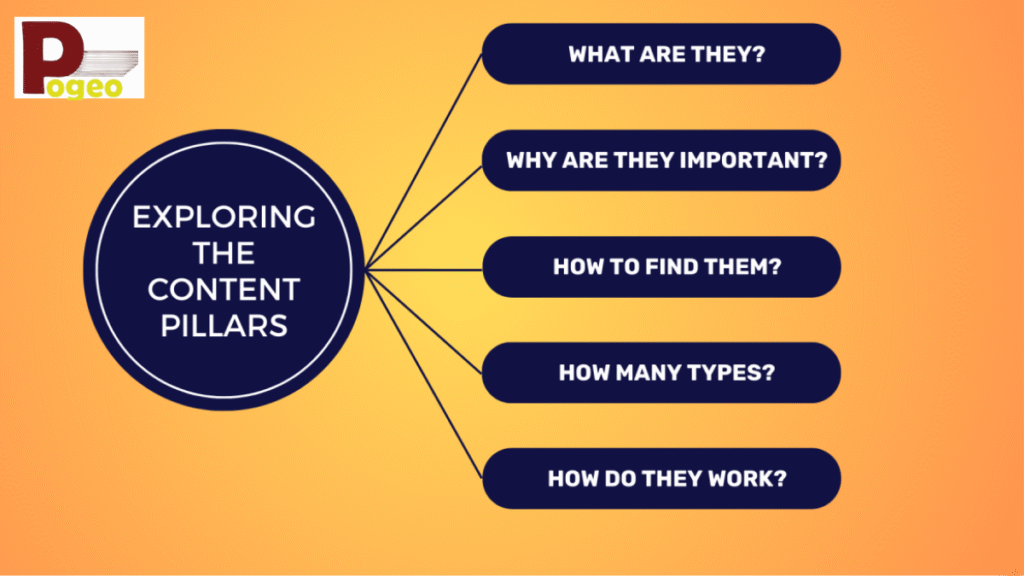
Understanding what is a content pillar also helps in improving audience targeting. When content revolves around clearly defined themes, it naturally attracts the right audience who is interested in those topics. Over time, this builds trust and authority, which is essential for long-term digital success.
Why Content Pillars Matter for SEO Success
Content pillars play a crucial role in improving search engine optimization performance. When asking what is a content pillar from an SEO perspective, it becomes clear that these pillars help organize content in a way that search engines can easily understand. Structured content improves visibility and increases the chances of ranking higher on Google.
Search engines like Google prioritize websites that demonstrate topical authority. This means that when a website consistently publishes content around specific themes, it signals expertise. Content pillars help achieve this by grouping related content together, making it easier for search engines to recognize relevance and authority within a niche.
Another important SEO benefit is internal linking. Content pillars naturally encourage the creation of related articles that link back to the main topic. This strengthens the website structure and improves crawlability. When users navigate through interconnected content, it also increases engagement time, which is another positive ranking signal.
From an SEO strategy point of view, understanding what is a content pillar helps marketers plan keyword clusters more effectively. Instead of targeting random keywords, they can build clusters around pillar topics. This ensures better ranking opportunities and reduces competition by focusing on niche authority rather than broad, unfocused content.
Types of Content Pillars and How They Work
There are several types of content pillars, each serving a different purpose depending on the brand strategy. When exploring what is a content pillar, it is important to understand that not all pillars are the same. Some focus on education, while others focus on promotion or engagement. Each type plays a unique role in content marketing success.
The first type is educational content pillars. These focus on providing valuable information to the audience. Tutorials, guides, and how-to content fall under this category. Educational pillars are essential because they help build trust and position a brand as an expert in its industry. They are often the foundation of most content strategies.
The second type is promotional content pillars. These pillars focus on showcasing products, services, or offers. While they are more sales-driven, they still need to provide value to the audience. A balanced content strategy ensures that promotional content does not overwhelm informational content, maintaining trust and engagement.
The third type is inspirational or storytelling pillars. These focus on emotional connection through stories, case studies, and real-life experiences. Understanding what is a content pillar also means recognizing the importance of emotional engagement. Storytelling helps brands connect with audiences on a deeper level and build long-term loyalty.
How Content Pillars Improve Content Strategy Structure
A well-defined content pillar system brings structure to an otherwise chaotic content creation process. When businesses understand what is a content pillar, they can organize ideas more efficiently and ensure that every piece of content has a place within the overall strategy. This reduces confusion and improves productivity across teams.
Content pillars also help in planning long-term campaigns. Instead of creating content randomly, marketers can map out topics under each pillar for months in advance. This ensures consistency and reduces the pressure of daily content creation. It also allows for better alignment with marketing goals and seasonal trends.
Another benefit is improved audience experience. When users visit a website with clearly structured content, they can easily find related information. This improves navigation and encourages deeper engagement. Over time, this builds trust and increases the likelihood of conversions.
Understanding what is a content pillar also helps in maintaining brand voice consistency. Since all content is built around core themes, the messaging remains aligned across different platforms. This consistency strengthens brand identity and makes it more recognizable in a competitive market.
Building a Content Pillar Strategy Step by Step
Creating an effective content pillar strategy requires careful planning and research. The first step is identifying your core topics. When understanding what is a content pillar, businesses must focus on what their audience truly cares about and what aligns with their expertise. These core topics will become the foundation of all content creation efforts.
The next step is keyword research and audience analysis. This helps in identifying what users are searching for and how they engage with content. By combining SEO data with audience insights, brands can refine their pillars to match real demand. This ensures that content remains relevant and discoverable in search engines.
Once the pillars are defined, the next step is creating supporting content. This includes blog posts, videos, and social media content that expands on each pillar. Each piece should connect back to the main theme, creating a strong internal structure. This is where understanding what is a content pillar becomes highly practical.
Finally, ongoing optimization is essential. Content pillars are not static; they evolve with audience behavior and market trends. Regular updates and performance analysis help ensure that the strategy remains effective over time. This adaptability is key to long-term digital success.
Real-World Examples of Content Pillars in Action
To better understand what is a content pillar, real-world examples can be extremely helpful. Many successful brands use content pillars to organize their marketing efforts. For instance, a technology company might use innovation, tutorials, product updates, and industry news as its main pillars.
Each of these pillars supports a different aspect of the business while maintaining a unified strategy. Tutorials help users understand products, while innovation content builds brand authority. Product updates keep customers informed, and industry news positions the brand as a thought leader. Together, they create a balanced content ecosystem.
In the lifestyle industry, content pillars are equally important. A fashion brand might focus on styling tips, seasonal trends, sustainability, and influencer collaborations. These pillars ensure that content remains diverse while still aligned with the brand’s identity. This structure helps attract different segments of the audience.
Understanding what is a content pillar through examples makes it easier to apply in real marketing scenarios. It shows that regardless of industry, content pillars can be customized to fit specific goals and audience needs while maintaining consistency and structure.
Content Pillars vs Topic Clusters Explained
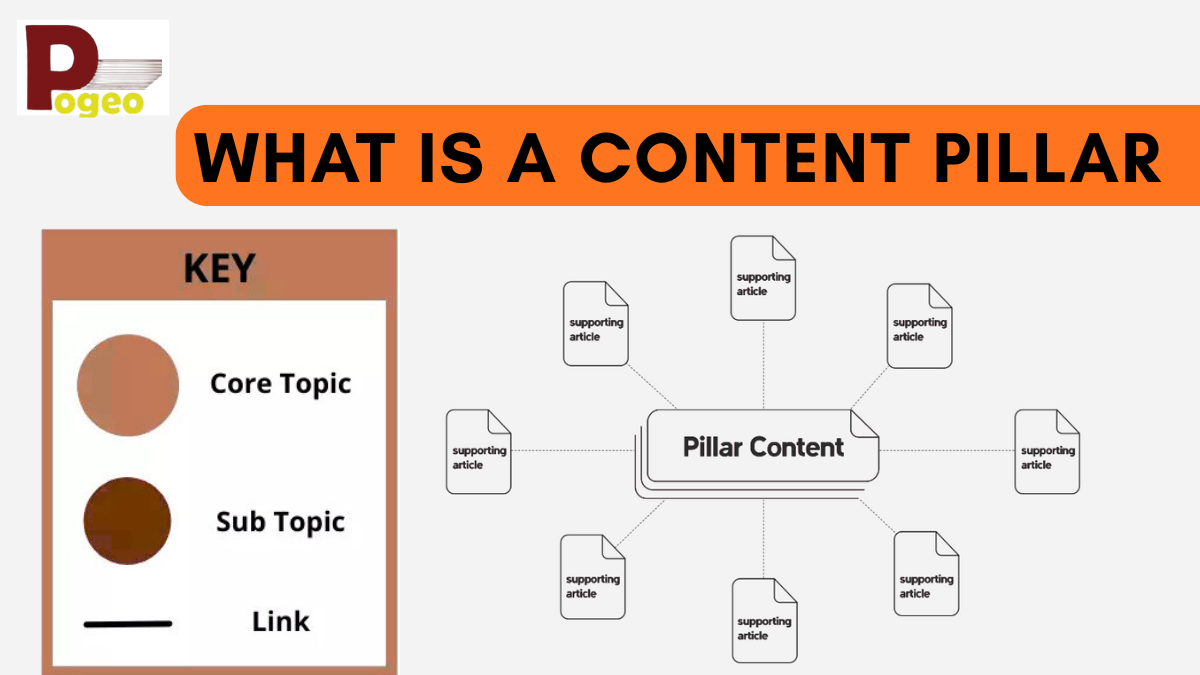
Many people confuse content pillars with topic clusters, but they are slightly different concepts. When exploring what is a content pillar, it is important to understand that pillars are broad themes, while topic clusters are the supporting content pieces that branch from those themes.
A content pillar acts as the main foundation, while topic clusters are the detailed articles that explore subtopics. For example, a pillar might be “digital marketing,” while clusters include SEO, email marketing, and social media strategies. This structure helps organize content in a hierarchical way.
Topic clusters improve SEO by strengthening internal linking and improving relevance. However, without strong content pillars, clusters can become disorganized. That is why both elements must work together to create an effective content strategy that supports search engine visibility and user experience.
Understanding what is a content pillar in relation to topic clusters helps marketers build more strategic content systems. It ensures that every piece of content has a clear role within the larger framework, improving both structure and performance.
Common Mistakes When Creating Content Pillars
One common mistake is choosing too many content pillars. When businesses misunderstand what is a content pillar, they often create too many categories, which leads to confusion and weak focus. It is better to have a few strong pillars than many weak ones that dilute the strategy.
Another mistake is selecting irrelevant topics. Content pillars must align with both business goals and audience interests. If they are not relevant, the content will fail to attract engagement or build authority. Proper research is essential before finalizing any pillar structure.
Inconsistent content production is also a major issue. Even with strong pillars, irregular posting can weaken SEO performance. Search engines and audiences both prefer consistency. Without it, the benefits of content pillars are significantly reduced over time.
Finally, many brands fail to update their pillars. Understanding what is a content pillar also means recognizing that digital trends change. Regular updates are necessary to ensure that content remains relevant and competitive in the evolving online landscape.
Advanced SEO Benefits of Using Content Pillars
Content pillars provide advanced SEO advantages beyond basic organization. When analyzing what is a content pillar, it becomes clear that they help establish topical authority, which is one of the most important ranking factors in modern search algorithms.
They also improve content depth. Instead of publishing shallow content on random topics, brands can create in-depth resources around specific pillars. This depth signals expertise to search engines and increases the chances of ranking for competitive keywords.
Another advantage is improved user retention. When content is structured around pillars, users naturally explore related articles. This increases time on site and reduces bounce rates, both of which contribute positively to SEO performance.
Overall, understanding what is a content pillar helps businesses build a stronger, more sustainable SEO foundation. It transforms content from scattered information into a strategic asset that drives long-term organic growth.
Best Practices for Maintaining Strong Content Pillars
Maintaining effective content pillars requires consistency and monitoring. When businesses fully understand what is a content pillar, they realize that it is not just about creation but also about long-term management and optimization of content strategy.
Regular content audits are essential. These audits help identify gaps in coverage and ensure that each pillar remains strong and relevant. By analyzing performance data, marketers can adjust their strategy to improve engagement and search visibility.
Collaboration between teams is also important. Writers, SEO specialists, and designers must all understand the pillar structure to maintain consistency. This ensures that all content aligns with the same strategic direction and brand messaging.
Over time, successful content pillars evolve. Staying flexible and open to change ensures that the strategy continues to perform well in a competitive digital environment. This adaptability is key to long-term success.
Future of Content Pillars in Digital Marketing
The future of content pillars is closely tied to the evolution of digital marketing and AI-driven content strategies. As search engines become more advanced, understanding what is a content pillar will become even more important for maintaining visibility and authority online.
Content personalization will also play a major role. Pillars will need to adapt to different audience segments, providing tailored experiences based on user behavior. This will make content strategies more dynamic and user-focused.
Automation tools and AI will further enhance how content pillars are created and managed. However, human creativity and strategy will still be essential for defining meaningful themes and maintaining brand authenticity.
In the coming years, businesses that master what is a content pillar will have a significant advantage in SEO, branding, and audience engagement. Structured content will remain a key driver of digital success.
Conclusion
Understanding what is a content pillar is essential for anyone serious about content marketing and SEO. It provides structure, clarity, and direction to content strategies, helping brands build authority and improve search visibility. Without it, content often becomes scattered and ineffective.
By implementing strong content pillars, businesses can create a consistent and scalable content system that supports long-term growth. It improves user experience, strengthens SEO performance, and ensures that every piece of content contributes to a larger strategic goal.
Ultimately, content pillars are not just a marketing technique but a foundation for sustainable digital success in an increasingly competitive online environment.
FAQs
What is a content pillar in simple terms
A content pillar is a main topic or theme that supports all related content for a brand. It helps organize content strategy and ensures consistency across blogs, social media, and marketing platforms.
How many content pillars should a business have
Most businesses should have between three and five content pillars. This allows enough flexibility for content creation while maintaining focus and strategic clarity.
Why are content pillars important for SEO
Content pillars help search engines understand website structure and topical authority. This improves rankings, increases visibility, and supports long-term organic traffic growth.
What is the difference between content pillars and topic clusters
Content pillars are broad themes, while topic clusters are detailed content pieces that support those themes. Both work together to create a strong SEO structure.
Can content pillars change over time
Yes, content pillars can evolve based on audience behavior, market trends, and business goals. Regular updates ensure continued relevance and effectiveness.
You may also read: Bipartisan Backlash and Political Response