When you walk into a medical office, you’re placing trust in more than just the healthcare providers, you’re counting on an entire system designed to protect your wellbeing. Medical facilities face constant challenges in maintaining sterile environments, especially since they serve patients with varying health conditions and immune system vulnerabilities. Knowing how these facilities work tirelessly behind the scenes to uphold safety standards can reassure you during your visits. The practices outlined below represent core methods that medical offices use to create environments where both patients and healthcare workers can feel secure.
1. Implementing Comprehensive Infection Control Protocols
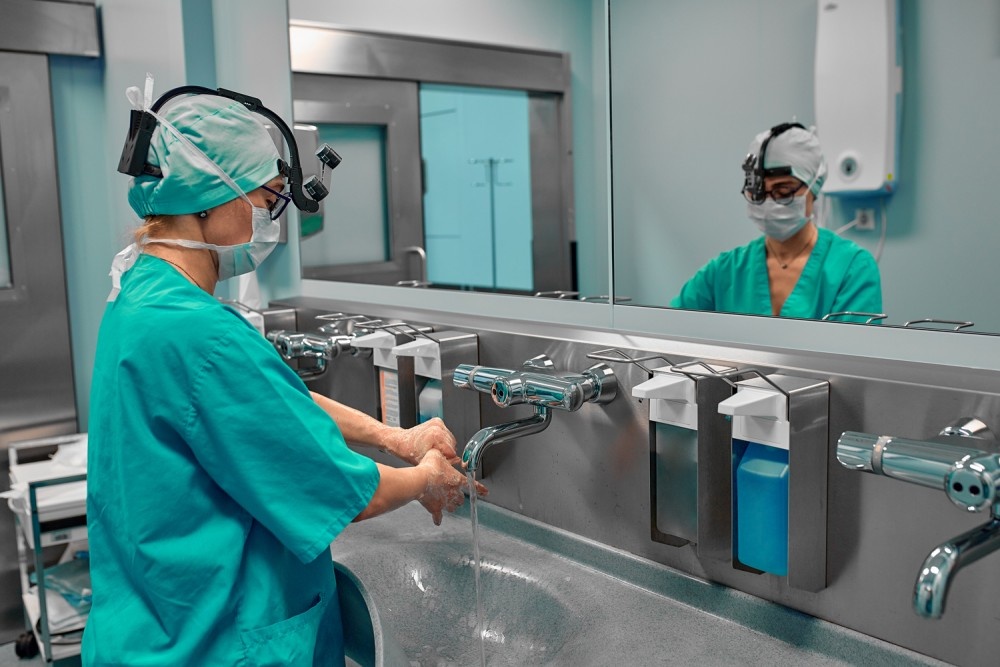
Medical offices build their operations around detailed infection control protocols that touch every aspect of daily care and facility operations. These protocols establish strict hand hygiene requirements for staff members, mandating proper handwashing before and after each patient interaction using techniques proven to eliminate harmful pathogens. You’ll see medical professionals reaching for alcohol-based hand sanitizers and washing with soap and water at designated points throughout their shifts. These protocols extend beyond hand hygiene to dictate when and how staff should use personal protective equipment, gloves, masks, gowns, and eye protection, based on the specific type of patient interaction and potential exposure level. Medical offices use color, coded systems for waste disposal that you might notice during your visit, separating biohazardous materials, sharps, and regular waste to prevent any chance of cross-contamination. Staff members undergo regular training on these protocols, complete with competency checks to confirm everyone truly understands and follows the established procedures. The Centers for Disease Control and Prevention offers evidence-based guidelines that facilities adapt to their specific circumstances, developing customized infection control plans that address their unique patient populations and the services they provide.
2. Maintaining Rigorous Sterilization and Disinfection Standards
Every medical office adheres to exacting sterilization and disinfection procedures designed to eliminate pathogens from instruments, surfaces, and equipment throughout the facility. Reusable medical instruments go through multi-step sterilization processes that include thorough cleaning, careful packaging, and heat sterilization in autoclaves, specialized machines that use high-pressure steam to destroy all microorganisms, including the most resilient bacterial spores. Medical offices keep meticulous logs of each sterilization cycle, recording temperatures, pressure readings, and exposure times to verify that every instrument batch meets established safety benchmarks. Environmental surfaces in examination rooms, waiting areas, and treatment spaces get regular attention with EPA-registered hospital-grade disinfectants effective against a wide range of pathogens.
3. Ensuring Optimal Air Quality and Ventilation Systems
The quality of air circulating through medical facilities directly impacts the prevention of airborne pathogen transmission and the overall healthiness of the environment. Medical offices make significant investments in sophisticated heating, ventilation, and air conditioning systems that deliver adequate air exchanges each hour, effectively diluting and removing potentially contaminated air from treatment areas. These systems incorporate high-efficiency particulate air filters that trap microscopic particles, bacteria, viruses, and allergens, stopping them from recirculating through the building. Carefully engineered airflow patterns direct fresh air into patient care zones while exhausting potentially contaminated air away from where people gather. Maintenance schedules keep these systems running optimally, with filters replaced according to manufacturer specifications, ductwork inspected and cleaned regularly, and all components functioning as intended. Medical offices that serve specialized populations or perform procedures generating aerosols may deploy enhanced filtration systems offering additional safeguards against airborne transmission, with dental practices frequently depending on specialized air filtration for dental offices to manage the fine particles created during treatments. The American Society of Heating, Refrigerating and Air-Conditioning Engineers sets standards for ventilation rates and air quality in healthcare settings, giving medical offices clear benchmarks for their systems. Temperature and humidity control play supporting roles in air quality management too, since maintaining appropriate levels discourages microbial growth while creating comfortable conditions that support recovery.
4. Conducting Regular Staff Training and Safety Audits
Medical offices understand that even the best technology and protocols only work when staff members possess thorough knowledge and consistently apply safety principles in their daily routines. Your care becomes safer because facilities provide comprehensive orientation programs for new employees, covering everything from infection control and emergency procedures to hazardous materials handling and patient safety protocols before anyone works independently. Ongoing education keeps staff members current with evolving best practices, changing regulatory requirements, and emerging infectious disease concerns through monthly training sessions, annual competency evaluations, and specialized instruction whenever new equipment or procedures are introduced. Medical offices establish internal audit systems that actively monitor compliance with safety standards, conducting regular inspections of sterilization processes, hand hygiene practices, environmental cleanliness, and documentation accuracy.
Conclusion
Medical offices take multifaceted approaches to maintaining the high safety standards that protect you during every appointment. Through rigorous infection control protocols, exacting sterilization procedures, advanced air quality management, and thorough staff training, these facilities build multiple layers of protection that work together to minimize health risks. Understanding these comprehensive safety measures helps you appreciate the extensive work happening behind the scenes to provide clean, secure healthcare environments. You can actively support these efforts by following posted guidelines, speaking up about any concerns to staff members, and recognizing that these protocols exist for everyone’s protection. The unwavering commitment to safety standards embodies the medical profession’s foundational principle of doing no harm while delivering exceptional care to every patient.