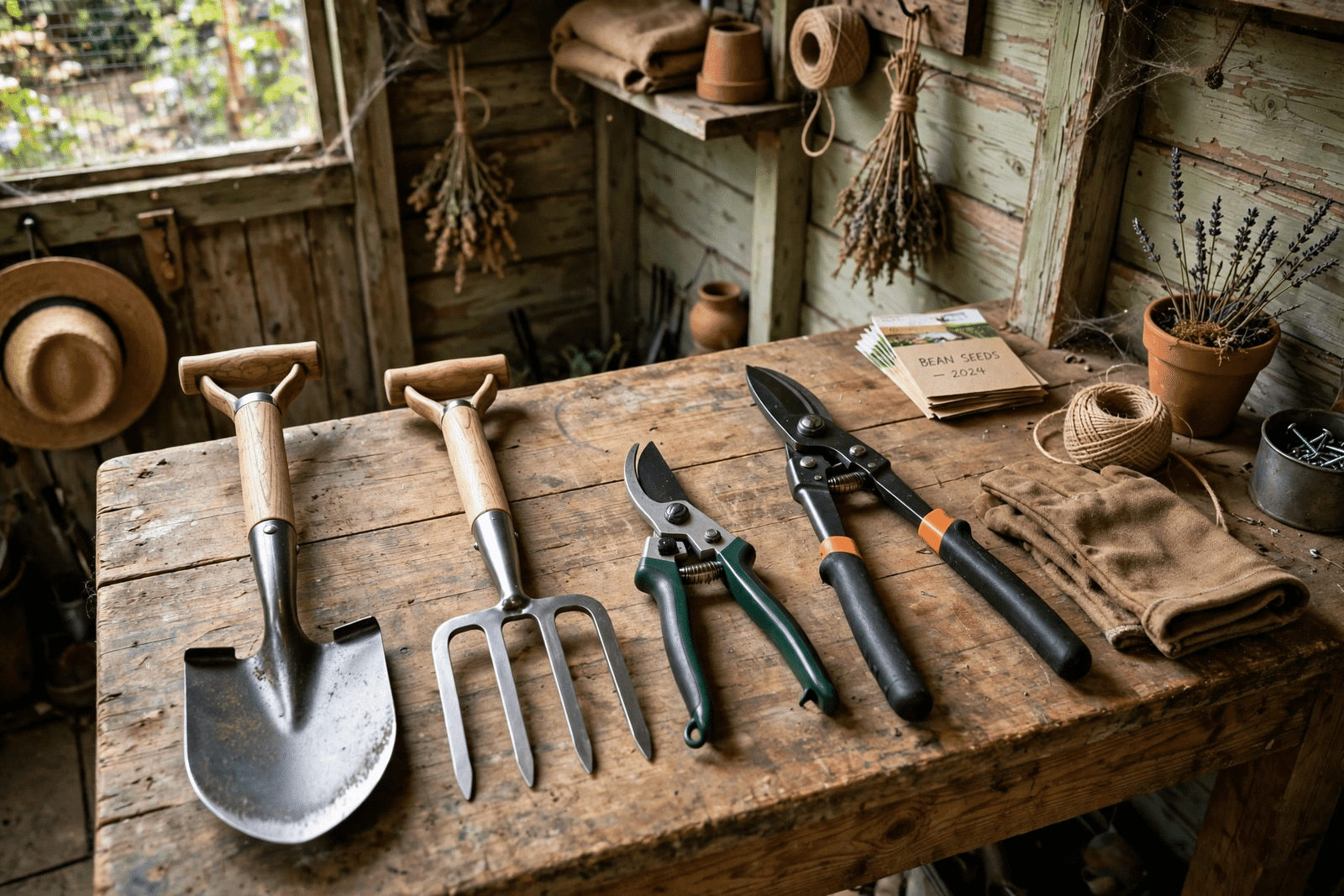
A good garden tool should last for decades, and the ones that do share a secret: their owners replace the wearing parts instead of replacing the tool. That is the whole philosophy behind Spear and Jackson spare parts. Spear & Jackson has been making tools in Sheffield since 1760, and its spades, forks, shears and saws are built to be repaired — blades re-sharpened or swapped, handles renewed, springs and bolts replaced — rather than thrown away when one component tires.
This guide to Spear and Jackson spare parts covers the parts that wear out most often, how to identify exactly the spare your tool needs, where to buy genuine components in the UK, and the maintenance habits that keep spares bills low. Whether you are reviving a inherited fork or keeping a working set of professional tools in service, the right part fitted at the right time is almost always cheaper — and more satisfying — than a new tool.
Why Genuine Spear and Jackson Spare Parts Matter
Spare parts are not interchangeable commodities. A genuine blade is ground to the angle and hardness the tool was designed around; a genuine handle is bored and tapered for that tool’s tang; a genuine spring has the tension the mechanism expects. Fit a lookalike part and the tool may work — but it will usually work slightly worse, wear slightly faster, and occasionally fail in ways that damage the tool itself. With Spear and Jackson spare parts, the compatibility has already been engineered, which is why experienced gardeners and groundskeepers insist on them.
There is also an economic argument that grows stronger every year. A quality forged spade or a set of professional shears costs real money; the parts that actually wear on them cost a fraction of that. Replacing a £15 blade on a £70 pair of shears is simply better arithmetic than buying new, and it keeps well-made steel in service instead of in landfill. Genuine spares protect both the tool’s performance and its resale and working life.
The Most Commonly Replaced Parts
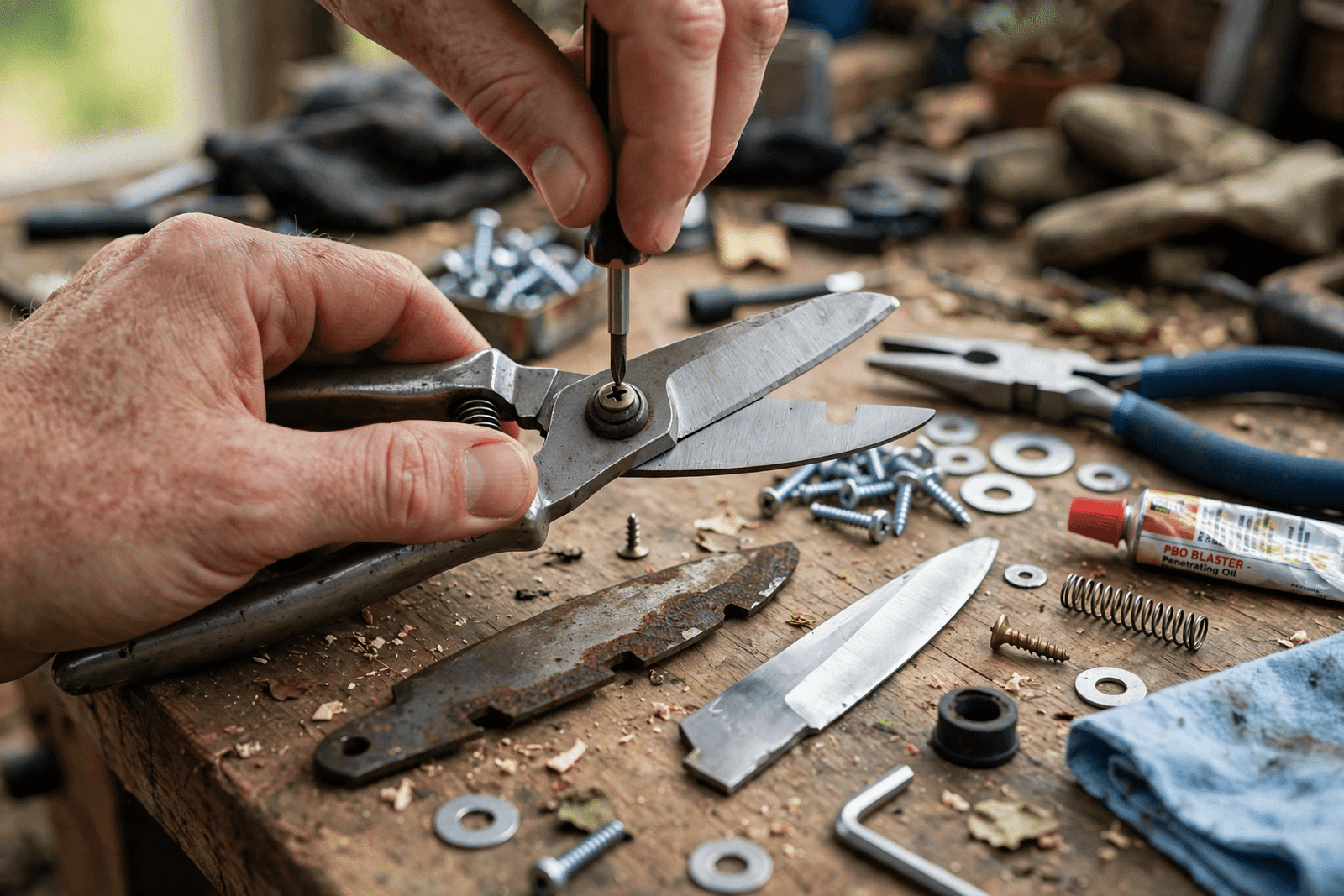
Cutting edges top the list. Shear, lopper and secateur blades dull, chip and eventually wear beyond what sharpening can restore, and they are the most frequently bought Spear and Jackson spare parts of all. Saw blades follow — pruning saws and bow saws are designed with replaceable blades precisely because teeth take punishment. When a blade starts tearing cuts rather than slicing them, or needs real force to do its old job, replacement rather than another sharpening is usually the honest answer.
Handles and mechanicals come next. Timber and fibreglass handles on spades and forks crack at the stress points after years of leverage; springs tire in secateurs and shears; bolts, ferrules and centre nuts loosen or corrode. For the cordless and powered ranges, batteries and chargers are the big-ticket spares, and they are strongly model-specific — a charger that fits one generation may not suit the next. All of these are designed wear points: the tool is telling you what it needs.
How to Identify the Part Your Tool Needs
Everything starts with the model number. On Spear & Jackson tools it is usually stamped on the blade or socket, printed on a label on the handle, or shown on the original packaging and manual. Quote that number when searching catalogues or speaking to a supplier, because parts are catalogued by model, not by vague description — “shears, the long ones” identifies nothing, while a model code identifies everything, including which of several similar blades is the right one.
If the number has worn away, work with measurements and photographs. Blade length, bolt spacing, handle socket diameter and spring dimensions narrow the field quickly, and reputable spares suppliers are used to identifying parts from clear photos. Buy once, correctly: the commonest waste in tool repair is a nearly-right part, posted back and forth, while the tool sits idle in the shed.
Where to Buy Spear and Jackson Spare Parts in the UK
Start with the source. The brand’s own site at spear-and-jackson.com carries product information and points toward stockists, and authorised retailers — national garden centre chains, tool merchants and established online spares specialists — stock the fast-moving lines of blades, handles and accessories. Specialist spare-parts retailers earn their place for older tools: they catalogue discontinued models that general retailers have dropped, which is often where an inherited tool’s salvation lives.
Online marketplaces offer the widest choice and the widest risk. Check seller feedback, photographs of the actual part rather than a generic image, and the returns policy before buying, and be wary of prices dramatically below everyone else’s — counterfeit and pattern parts cluster there. Wherever you buy, keep the packaging and part number recorded with the tool’s paperwork; the second time you need the same spare, you will thank yourself.
Maintenance That Reduces the Need for Spares
Most spare parts are bought because maintenance was skipped, and the routine that prevents it takes minutes. Clean soil and sap off tools after use — sap in particular corrodes blades and gums mechanisms — dry them before storage, and wipe metal parts with an oily rag to hold rust at bay. A shed that keeps tools dry and off a concrete floor will add years to every handle and edge you own.
Sharpen little and often rather than heroically once a year: a few strokes with a file or stone keeps edges in the zone where sharpening works, long before replacement is needed. Tighten bolts and centre nuts when you notice play, oil pivot points, and store shears and secateurs closed and latched. None of this is glamorous, but it is precisely why some gardeners are still using forty-year-old tools while others replace theirs every third season.
Conclusion
Spear and Jackson spare parts turn tool ownership into what it used to be: buy something well made once, then maintain it for life. The system works because the wear points are designed to be replaced — blades, handles, springs and chargers — and because genuine parts preserve the fit and performance the tool left Sheffield with.
Identify your model, buy the genuine part once, and keep up the few minutes of cleaning and oiling that delay the next purchase. Do that, and there is no reason your spade, fork and shears should not still be working beautifully decades from now — which is rather the point of buying Spear & Jackson in the first place.
Frequently Asked Questions
What are the most common Spear and Jackson spare parts?
Replacement blades for shears, loppers, secateurs and saws are the best-sellers, followed by handles for spades and forks, springs, bolts and ferrules, and batteries and chargers for the cordless ranges. These are all designed wear points that are meant to be replaced.
How do I find the right spare part for my tool?
Find the model number — stamped on the blade or socket, on a handle label, or in the manual — and search catalogues or supplier sites by that number. If it has worn away, use precise measurements and clear photographs; good spares suppliers identify parts from photos every day.
Where can I buy Spear and Jackson spare parts in the UK?
From the brand’s own channels and authorised retailers, national garden and tool chains, and established online spares specialists — who are especially useful for older or discontinued models. Marketplace sellers widen the choice but need more care over authenticity and returns.
Is it cheaper to repair a tool or buy a new one?
Repair is almost always cheaper when only a wear part has failed: a blade, handle or spring costs a fraction of a quality new tool. Replacement makes sense when the tool’s core — forged head, frame or motor — is itself damaged or worn out.
Do spare parts exist for old and discontinued Spear & Jackson tools?
Very often, yes. Specialist spares retailers catalogue parts for discontinued models, and common wear parts like blades and handles were shared across ranges. A model number or good photographs give you a real chance of finding what an older tool needs.
Are genuine Spear and Jackson spare parts worth it over copies?
Yes, in most cases. Genuine parts are made to the tool’s original dimensions, materials and tolerances, so they fit correctly and last as designed. Cheaper pattern parts can fit poorly, wear faster and occasionally damage the tool they were meant to save.
Spending more time in the garden? Our UK buyer’s guide to garden furniture sets with fire pit will help you furnish it properly.
For more practical garden guides, see our garden furniture sets with fire pit recommendations next.