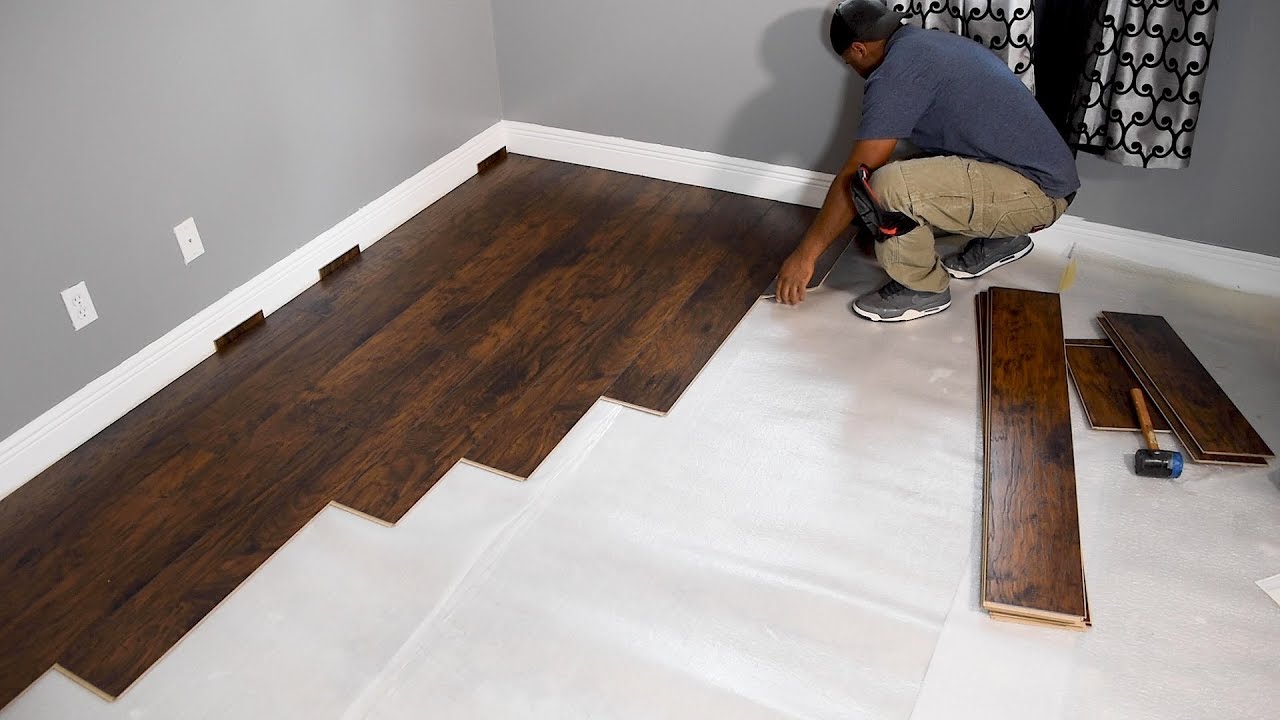
Understanding how to cut laminate flooring is the first and most important step in achieving a smooth and professional flooring installation. Laminate is designed with a strong surface layer that mimics natural wood, but this same durability also makes it sensitive to improper cutting techniques. When handled correctly, it delivers clean edges that fit perfectly into your room layout.
Many beginners underestimate the importance of learning how to cut laminate flooring properly before starting installation. Without the right technique, planks may chip, crack, or leave uneven gaps that ruin the visual appeal. A careful and informed approach ensures better alignment, less waste, and a polished final result that enhances the entire space.
Why Proper Cutting Matters in Laminate Installation
Knowing how to cut laminate flooring is not just about making planks shorter—it is about achieving precision in every part of the installation process. Poor cutting can lead to visible seams, weak joints, and wasted materials. A clean cut ensures that each plank locks perfectly into place and maintains structural stability over time.
When you understand how to cut laminate flooring correctly, you also improve the durability of the entire flooring system. Properly cut planks reduce stress on joints and help maintain a smooth walking surface. This attention to detail makes a significant difference in both appearance and long-term performance of the flooring.
Essential Tools for Cutting Laminate Flooring
Selecting the right tools is essential when learning how to cut laminate flooring effectively. Common tools include a miter saw for straight cuts, a jigsaw for curved shapes, and a laminate cutter for quiet and dust-free work. Each tool serves a specific purpose and contributes to achieving precise results in different situations.
Choosing the correct tool depends on the type of cut required and your experience level. Beginners often prefer laminate cutters for simplicity, while professionals rely on power saws for speed and accuracy. Using the right equipment ensures cleaner edges and reduces the risk of damaging the laminate surface during cutting.
Step-by-Step Guide on How to Cut Laminate Flooring
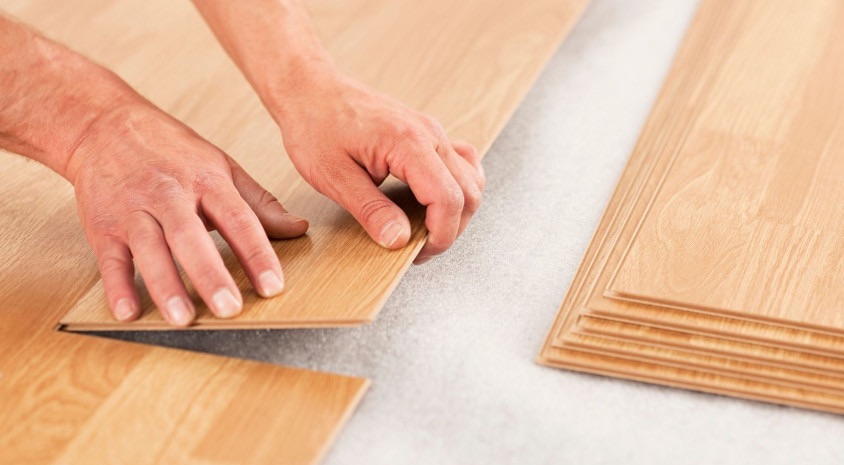
To properly understand how to cut laminate flooring, start by measuring the space carefully and marking the plank clearly with a pencil or tape. Accurate measurements are crucial because even small errors can affect the alignment of the entire floor. Always double-check before making any cuts.
Next, secure the plank on a stable surface before cutting. Use steady hands and allow the blade to move smoothly without forcing it. This controlled approach is the key to achieving clean edges and preventing chips. Practicing patience during this step ensures professional-level results and a flawless finish.
How to Cut Laminate Flooring Without a Saw
Learning how to cut laminate flooring without a saw is useful for small or quick adjustments. In some cases, a utility knife can be used by scoring the surface multiple times and snapping the plank along the line. This method works best for thin laminate materials and minor cutting tasks.
However, this approach has limitations and is not suitable for thicker flooring boards. While it can be helpful in emergency situations, power tools still provide the most accurate and clean results. Understanding when to use this method is part of mastering how to cut laminate flooring efficiently.
How to Cut Laminate Flooring Lengthwise for Perfect Fit
One of the more advanced techniques in how to cut laminate flooring is making lengthwise or rip cuts. These cuts are often required when fitting planks along walls or tight spaces. A table saw is usually the best tool for achieving straight and consistent results in this type of cutting.
Precision is extremely important during lengthwise cuts because even small deviations can affect the entire floor layout. Taking time to align the plank properly ensures a smooth installation process. This step is essential for achieving a professional finish in any laminate flooring project.
Cutting Laminate Sheets and Countertops with Precision
While learning how to cut laminate flooring, it is also helpful to understand how to cut laminate sheet materials and countertops. Laminate sheets require careful handling to avoid cracking, and they are often used in furniture and surface design projects. The cutting technique varies slightly depending on thickness and application.
When dealing with countertops, accuracy becomes even more important. Knowing how to cut laminate countertops or how to cut laminate countertop for sink installation requires strong tools and careful measurement. A fine-toothed blade is usually recommended to avoid damage and ensure smooth, clean edges.
Common Mistakes and Pro Tips for Better Results
A major mistake in how to cut laminate flooring is using the wrong blade type or applying too much pressure during cutting. This often results in chipped edges and uneven finishes. Another common error is skipping proper measurement, which leads to material waste and poor alignment during installation.
To improve results, always use painter’s tape along the cutting line and support the plank fully before cutting. These small techniques significantly reduce damage and improve precision. Mastering these tips is essential for anyone who wants to become confident in how to cut laminate flooring like a professional.
Conclusion
Learning how to cut laminate flooring correctly is essential for achieving a strong, clean, and visually appealing installation. From selecting the right tools to mastering cutting techniques, every step plays a role in the final outcome. Careful preparation ensures that each plank fits perfectly and enhances the overall design of the space.
Whether you are working on a full flooring project or small adjustments, understanding how to cut laminate flooring helps you avoid mistakes and achieve professional-quality results. With practice, patience, and the right approach, anyone can create a smooth and durable flooring finish that lasts for years.
You may also read: Essential Tools Needed for How to Insulate a Garage Door