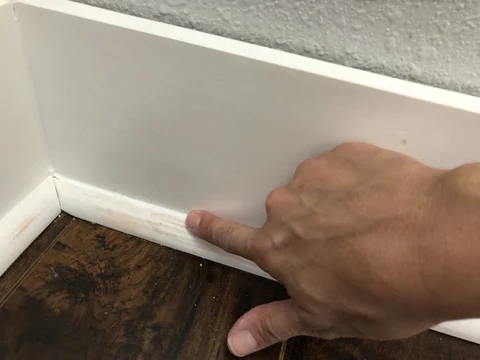
Quarter round is a small but highly important finishing trim used in flooring and interior design. It is designed to cover the expansion gap between the floor and baseboard, giving the room a clean and professional look. When learning how to install quarter round, it becomes clear that this simple molding plays a major role in completing flooring projects with a polished appearance.
In modern home improvement, quarter round is not just decorative but also functional. It protects edges from damage, hides uneven cuts, and improves the visual flow of flooring. Whether you are installing laminate, hardwood, or tile, understanding how to install quarter round ensures your project looks professionally finished and long-lasting.
Understanding Quarter Round and Its Purpose
Quarter round molding is a curved trim piece designed to fit neatly into the corner where the floor meets the wall. It is commonly used in both residential and commercial interiors to provide a smooth transition between surfaces. Learning how to install quarter round helps homeowners achieve a seamless finish that enhances the overall design of a room.
This trim is especially useful for covering gaps created during flooring installation, allowing natural expansion and contraction. It also prevents dust and debris from collecting in open spaces. While shoe molding is often compared to it, quarter round offers a more rounded and traditional appearance, making it a popular choice for many interior styles.
Difference Between Quarter Round and Shoe Molding
One of the most common questions when learning how to install quarter round is how it compares to shoe molding. Both serve similar purposes, but their shape and style are different. Quarter round is more rounded and thicker, while shoe molding has a flatter and slimmer profile that sits closer to the wall.
Choosing between the two depends on the design of your space. Quarter round is ideal for traditional interiors, while shoe molding is often used in modern or minimalist designs. Understanding these differences helps you make better decisions before installation, ensuring the final look matches your flooring and baseboard style perfectly.
Types of Quarter Round Materials

Quarter round is available in several materials, and choosing the right one is an important step in learning how to install quarter round. Wood is the most traditional option, offering a natural look that can be stained or painted to match the room. It is durable but may require more maintenance over time.
PVC quarter round is another popular option due to its moisture resistance and durability. It is perfect for kitchens, bathrooms, and basements where humidity is higher. Flexible quarter round is also available for curved surfaces or uneven walls, providing versatility in complex installation areas. Each material offers different benefits depending on the project needs.
Essential Tools for Installing Quarter Round
Before starting how to install quarter round, gathering the right tools is essential for a smooth process. A miter saw or quarter round cutter is needed for precise angle cuts, especially for corners. Measuring tape ensures accurate lengths, while finishing nails or a nail gun help secure the trim firmly in place.
Additional tools like a hammer, wood filler, caulk, and sandpaper are also important for finishing touches. Proper preparation reduces errors and improves efficiency during installation. Using the right tools not only saves time but also ensures that the quarter round fits perfectly and looks professionally installed.
How to Measure and Plan Installation
Accurate measurement is a key step in how to install quarter round successfully. Start by measuring each wall carefully and marking the lengths where the trim will be installed. It is important to measure one section at a time rather than cutting everything at once to avoid mistakes and material waste.
Planning also includes identifying corner types and transitions. Inside and outside corners require different cutting techniques, so preparation is essential. A well-planned layout ensures smoother installation and helps achieve a clean, continuous look across the entire room without gaps or mismatched joints.
How to Cut Quarter Round Properly
Cutting is one of the most critical parts of how to install quarter round. A miter saw is commonly used to create precise 45-degree angles for corners. These cuts allow pieces to fit tightly together, creating a seamless and professional appearance. Accuracy is extremely important during this stage.
For longer walls, scarf joints can be used to join two pieces smoothly. Doorways often require return cuts for a finished edge that blends back into the wall. Taking time to cut carefully ensures that the final installation looks clean, balanced, and visually appealing throughout the entire space.
Step-by-Step Installation Process
The actual installation process of how to install quarter round begins by positioning the trim against the baseboard and ensuring it sits evenly along the floor. The trim should never be nailed into the flooring, as this can cause damage when the floor expands or contracts over time.
Finishing nails or a nail gun are used to secure the trim into the wall at regular intervals. Work slowly around corners and joints to maintain alignment. Consistent spacing and careful placement are key to achieving a strong and durable installation that holds up over time.
Installing Quarter Round on Different Flooring Types
Different flooring materials require slight adjustments when learning how to install quarter round. For hardwood and laminate flooring, it is important to leave an expansion gap, which the trim will cover neatly. This prevents buckling and ensures long-term stability of the flooring system.
For tile flooring, installation requires extra sealing to prevent moisture from entering gaps. PVC quarter round is often preferred in these areas due to its water resistance. Flexible quarter round can also be used for curved or irregular surfaces, ensuring a smooth and continuous finish regardless of flooring type.
Finishing Touches for a Professional Look
Finishing details are what make how to install quarter round look truly professional. Caulking is applied along the top edge of the trim to fill small gaps and create a smooth transition between wall and molding. This step enhances both appearance and cleanliness.
Nail holes should be filled with wood filler and lightly sanded for a smooth surface. Painting or staining the quarter round ensures it matches the baseboards and overall room design. These finishing steps transform a basic installation into a polished, high-quality interior detail.
Maintenance and Long-Term Care
Proper maintenance keeps quarter round looking fresh and clean over time. Regular dusting and cleaning prevent buildup along the edges, maintaining a neat appearance. White quarter round may require occasional repainting to maintain its bright and clean finish in high-traffic areas.
PVC quarter round is easier to maintain due to its resistance to moisture and stains. Checking for loose nails or small gaps over time helps maintain durability. With proper care, your installation will remain strong, attractive, and functional for many years.
Conclusion
Learning how to install quarter round is a valuable skill for any homeowner or DIY enthusiast. It not only enhances the appearance of flooring but also provides functional benefits by covering gaps and protecting edges. With the right tools, careful planning, and precise installation techniques, the results can look professional and long-lasting.
Whether using wood or PVC, understanding the process ensures better outcomes and a polished final finish. A properly installed quarter round brings the entire room together, creating a clean, complete, and visually appealing space.
FAQs
What is quarter round used for?
Quarter round is used to cover gaps between flooring and baseboards, providing a clean and finished appearance while protecting edges from dust and damage.
Do you nail quarter round to the floor or wall?
Quarter round should always be nailed into the wall or baseboard, not the floor, to allow natural movement of the flooring.
What is the difference between shoe molding and quarter round?
Quarter round is thicker and more rounded, while shoe molding is thinner and sits flatter against the baseboard, offering a more subtle look.
Can PVC quarter round be painted?
Yes, PVC quarter round can be painted using the correct primer designed for plastic surfaces to ensure proper adhesion.
How do you cut quarter round for corners?
Quarter round is cut using a miter saw at 45-degree angles to create tight and clean corner joints for a professional finish.
Is quarter round necessary for laminate flooring?
Yes, it is commonly used to cover expansion gaps in laminate flooring, ensuring a clean and finished look.
What tools are needed for installation?
A miter saw, measuring tape, finishing nails, nail gun or hammer, caulk, and wood filler are essential tools.
How do you fix gaps in quarter round?
Gaps can be filled using caulk for seams and wood filler for nail holes to achieve a smooth and seamless finish.
You may also read: Proper Screw Spacing Techniques for Strong Drywall Installation