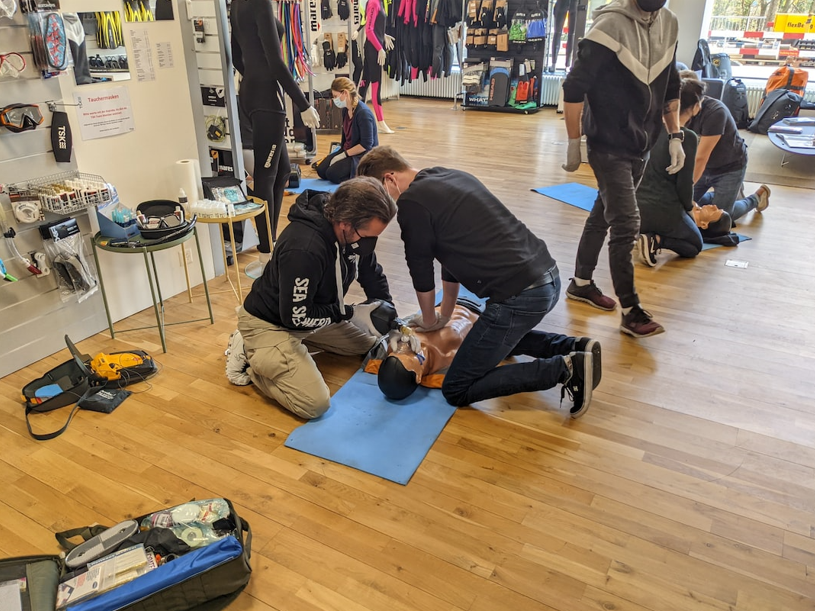
Emergencies can happen at any time. A person may suddenly collapse at home, at work, or in a public space. In these moments, every second matters.
The first response often comes from people nearby, not from medical teams. This is why CPR knowledge is an important part of any emergency plan.
CPR, or cardiopulmonary resuscitation, is a life-saving skill used when breathing or heartbeat stops. It helps keep oxygen moving through the body until help arrives. Without it, the brain and vital organs can begin to fail within minutes.
Read on to understand why this simple skill plays such a powerful role in safety.
What CPR Really Does
CPR uses chest compressions to help circulate blood when the heart stops. In some cases, rescue breaths may also be used. The goal is not to fully treat the problem but to keep the body stable until emergency care arrives.
Even basic CPR knowledge can make a major difference. A trained person can act quickly instead of freezing in fear. This early action can help protect the brain and increase survival chances.
Why Homes Need CPR Readiness
Many emergencies happen inside the home. A family member may suffer from choking, heart problems, or sudden collapse. These events often happen without warning.
Emergency services may take time to arrive. During that gap, CPR can help keep a person alive.
Parents, guardians, and even older teens can learn this skill. A home where CPR is known becomes a safer place for everyone.
CPR in Workplaces and Shared Spaces
Workplaces also face unexpected emergencies. Offices, schools, stores, and factories all have people working together daily. If someone becomes unresponsive, quick action matters. Many organizations now include CPR training as part of safety programs. This helps workers respond before emergency teams arrive.
Confidence in High-Stress Moments
One major challenge during emergencies is panic. People may want to help but do not know what to do. This hesitation can cost valuable time.
CPR training helps reduce fear. It gives clear steps and practice-based learning. When people feel prepared, they are more likely to act quickly and correctly.
CPR as Part of Emergency Planning
A strong emergency plan is more than calling for help. It includes knowing what to do before help arrives. CPR should be part of that plan in both homes and workplaces.
Training programs help people learn these skills. Some also include first-aid knowledge for more comprehensive preparation. Those who want structured learning can explore options like https://cprcertificationnow.com/products/first-aid-certification to build their readiness.
Building Safer Communities
When more people know CPR, safety improves for everyone. It creates a community where help is available immediately, rather than waiting in fear.
This shared knowledge reduces panic during emergencies. It also encourages people to look out for one another. Over time, it builds a stronger sense of responsibility in both homes and workplaces.
Simple Skill With Real Impact
CPR is not complicated. It does not require special tools or medical training. It only requires learning, practice, and action.
In many emergencies, the first responder is an ordinary person. It may be a coworker, family member, or stranger. This is why CPR knowledge is so valuable.
When Seconds Decide Everything
Emergencies move fast, and action must be faster. CPR knowledge turns confusion into response and fear into action.
By including CPR in emergency plans, homes and workplaces become safer and more prepared. In critical moments, this simple skill can help save a life.
For more on this content, visit the rest of our blog!