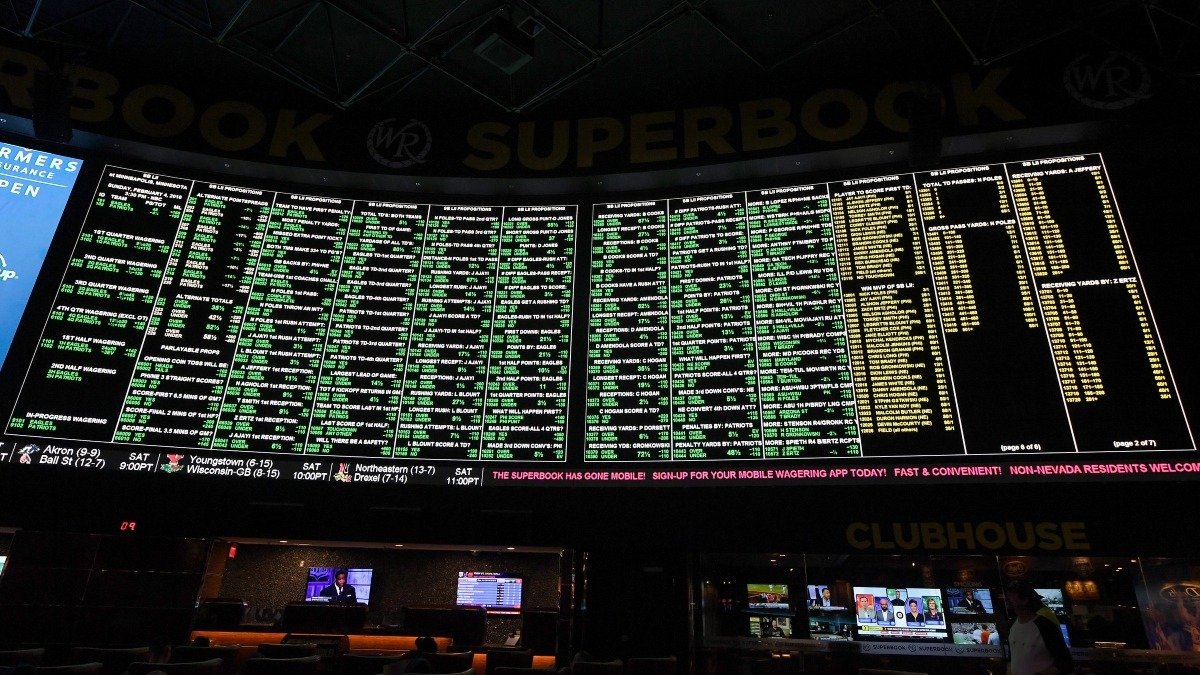
Entering the world of sports wagering can feel like stepping into a new language. Between decimal prices, handicap shifts, fractional lines, and prop options, the sheer volume of choices on modern sportsbooks can easily overwhelm anyone starting out. However, stripped down to its core, sports wagering is simply about identifying probability and evaluating risk. Having betting markets explained in clear, practical terms is the single most effective way to turn confusion into clarity and transform casual guesswork into structured strategy.
A solid grasp of how markets function allows you to read lines correctly, discover true market value, and protect your bankroll. Whether you want to back your favorite football team over the weekend or build a nuanced multi-leg bet across a full season, mastering the fundamentals is essential. This guide breaks down how betting markets operate, details every primary bet type, and highlights strategic approaches to help you navigate odds with confidence.
What Is a Betting Market and How Does It Work?
In sports wagering, a “market” refers to a specific outcome or set of outcomes within a sporting event that a bookmaker makes available for wagering. Rather than simply offering a bet on who will win a game, modern operators break contests down into micro-events—ranging from the total number of points scored to individual player statistics.
Every betting market is driven by probability. Bookmakers use statistical models, historical performance data, squad updates, and market demand to establish betting odds. These odds represent the implicit probability of an outcome occurring, plus a small built-in margin known as the “vig” or “overround,” which ensures the sportsbook retains an edge over time.
For example, if two evenly matched tennis players face off, a theoretical fair line would give each player a 50% chance of victory (equivalent to 2.00 in decimal odds or +100 in American odds). A bookmaker, however, might price both players at 1.91 (-110). That difference between implied probability and actual odds payout is where the bookmaker makes their profit.
When navigating these options, bettors often compare prices across multiple bookmakers to ensure they are receiving the best payout relative to the underlying probability. Utilizing dedicated odds comparison platforms like NicerOdds allows punters to instantly identify which bookmaker offers the highest return on a specific market before placing a stake.
Understanding market efficiency is also critical. “Big markets”—such as the English Premier League, NFL, or NBA moneyline—attract millions in trading volume. Because so much smart money enters these markets, their odds are highly refined and difficult to beat consistently. Smaller, niche markets (like secondary leagues or regional player props) carry lower liquidity, but they often present better value opportunities for knowledgeable bettors who spot mispriced lines early.
Core Bet Types: Betting Markets Explained for Beginners
To navigate any sportsbook effectively, you must first understand the foundational bet types that appear in almost every sport. When having core betting markets explained, four main categories form the cornerstone of sports wagering:
1. Moneyline (Match Result / 1X2)
The moneyline is the simplest and most direct wager in sports. You are simply selecting who will win the game or match outright.
- Two-Way Moneyline: Standard in sports that cannot end in a draw, such as tennis, baseball, or basketball. You choose either Competitor A or Competitor B to win.
- Three-Way Moneyline (1X2): Common in soccer and rugby, where a tie after regulation time is a standard result. Here, you can bet on a Home Win (1), a Draw (X), or an Away Win (2).
2. Point Spread and Handicap Betting
When one team is heavily favored over another, a straight moneyline bet on the favorite yields very low returns. Point spreads (or handicaps) level the playing field by applying a virtual point deficit to the favorite and a head start to the underdog.
- Example: In an NFL game between the Kansas City Chiefs and the Las Vegas Raiders, the Chiefs might be listed as -6.5 favorites. If you bet on Kansas City, they must win by 7 points or more for your wager to pay out. Conversely, if you bet on Las Vegas at +6.5, your bet wins if Las Vegas wins the game outright OR loses by 6 points or fewer.
- Asian Handicaps: Popular in soccer, Asian handicaps eliminate the draw option by utilizing quarter and half-lines (e.g., -0.75 or -1.25). If a match ends in a draw or a specific point differential, your stake may be fully or partially refunded.
3. Totals (Over/Under)
Totals bets focus entirely on the aggregate points, goals, or runs scored by both teams combined during a game, regardless of who actually wins.
- Example: In a soccer match between Real Madrid and Barcelona, the sportsbook sets the Total Goals line at 2.5. If you wager on “Over 2.5,” you need at least 3 combined goals to win. If the final score is 1-1 (2 total goals), an “Under 2.5” wager succeeds.
4. Draw No Bet and Double Chance
For sports with three possible outcomes, defensive bettors often use risk-reduction markets:
- Draw No Bet (DNB): You pick a team to win. If your team wins, you receive a full payout; if the match ends in a draw, your initial stake is returned entirely.
- Double Chance: Allows you to cover two of the three possible match outcomes with a single selection (e.g., Home Win OR Draw). Odds are lower, but the probability of winning is significantly higher.
Bettors exploring different regulatory environments often consult specialized resources like [suspicious link removed] to understand how operator features, market depth, and stake limits vary depending on where a platform is licensed.
Advanced Bet Types: Props, Futures, and Accumulators
Once you master basic moneylines and totals, modern sportsbooks offer deeper secondary markets that cater to specific game scripts or long-term predictions.
Proposition Bets (Props)
Prop bets focus on individual occurrences within a contest that do not necessarily dictate the final outcome. As data collection in sports has grown, player and team props have become some of the fastest-growing betting markets worldwide.
| Prop Type | Common Examples | Ideal Application |
| Player Props | • Quarterback passing yards • Basketball rebounds/assists • Soccer player to score anytime | When you have strong insights into an individual athlete’s matchup advantages. |
| Team Props | • Total corner kicks awarded • Team total points • Team to score first | When you expect one side to control tempo or specific technical areas. |
| Exotic Props | • Coin toss result (Super Bowl) • Length of national anthem | Entertainment-focused wagers typically tied to major showcase events. |
Futures (Outrights)
Futures wagers involve long-term outcomes settled far in advance. Instead of betting on tonight’s game, you are predicting end-of-season milestones:
- Which team will win the Super Bowl or UEFA Champions League?
- Who will win the NBA MVP award?
- Will a team exceed or fall under their projected regular-season win total?
Futures lock up your capital for weeks or months, but they often offer lucrative odds early in a season before narrative trends take hold. Established international platforms, including established sportsbooks such as NordicBet, often excel in providing deep futures coverage across European ice hockey, football, and winter sports alongside traditional major leagues.
Accumulators, Parlays, and Bet Builders
Multi-selection wagers allow bettors to combine several individual picks into a single ticket.
- Standard Accumulators (Parlays): You combine picks from different games (e.g., Arsenal to win, Lakers -4.5, and Yankees Over 8.5). The odds of each selection multiply, offering massive potential returns from a modest stake. However, if even a single selection fails, the entire wager loses.
- Same-Game Parlays (Bet Builders): These allow you to stack multiple correlated outcomes from a single game into one wager—such as backing a soccer team to win, their main striker to score, and Over 4.5 team corners.
Accumulator Risk vs. Return Profile:
[Leg 1: 1.50] x [Leg 2: 1.80] x [Leg 3: 2.00] = Total Odds: 5.40
Risk: High (Requires 3/3 accuracy) | Return: High (4.4x profit)
Live Betting and Dynamic In-Play Markets
The expansion of mobile wagering has made live (in-play) betting one of the most prominent sectors in the industry. Rather than locking in wagers before kickoff, live betting allows punters to place bets continuously as the action unfolds on the field.
Pre-Game Line: Team A (-1.5) vs. Team B (+1.5)
↓ (Team B scores early in the 10th minute)
Live In-Play Line Adjustment: Team A (+0.5) vs. Team B (-0.5)
In-play odds update in real time using sophisticated algorithms that track possession, field position, clock remaining, and scoring events. This creates unique strategic avenues:
- Hedging Pre-Game Position: If you placed a pre-game wager on an underdog that takes an early lead, you can place a live bet on the opponent to guarantee a profit regardless of the final outcome.
- Capitalizing on Momentum: If a heavy favorite concedes an early counter-attack goal, their live moneyline odds will jump significantly. If you believe their fundamental quality will prevail over 90 minutes, buying low in-play can offer far greater value than their pre-match price.
- Cash-Out Options: Most modern sportsbooks offer a “Cash Out” feature on live markets, allowing you to settle a wager early for a partial payout before the event finishes.
Because live odds fluctuate rapidly, bettors who analyze multiple books during live events rely on fast data feeds. Checking odds comparison engines like Oddschecker during breaks in play helps verify whether a live price shift represents true value or an overreaction by the bookmaker’s pricing model.
Strategic Tools and Matching Odds to Find Value
Understanding how betting markets operate is only half the battle; the second half is applying structured discipline to find an edge. To succeed long-term, bettors shift their focus away from simply predicting “who will win” and toward finding “value”.
The Concept of Expected Value (+EV)
Value exists whenever the odds offered by a bookmaker imply a lower probability of an event happening than the true probability of that event.
$$\text{Expected Value (EV)} = (\text{Implied Winning Probability} \times \text{Payout}) – (\text{Implied Losing Probability} \times \text{Stake})$$
If a coin toss is priced at 2.10 (+110) for Heads, the wager has positive expected value (+EV) because the true probability is 50%, yet the odds pay out as if the probability were only 47.6%. Over hundreds of iterations, taking +EV wagers yields a consistent statistical profit.
Related Post: Enjoy Online Games
Matched Betting and Arbitrage
For bettors seeking structured risk management rather than speculative gambling, mathematical strategies like matched betting offer a methodical alternative. Matched betting uses promotional free bets offered by sportsbooks and hedges them on betting exchanges to lock in a guaranteed profit regardless of the sporting result.
Similarly, arbitrage betting occurs when subtle pricing discrepancies between competing sportsbooks allow a bettor to back all possible outcomes of an event across different platforms, guaranteeing a small, risk-free margin.
Bettors utilizing these mathematical approaches often lean on technical calculation software. Utilizing specialized matched betting tools on OddsMonkey helps automate the process of finding matching lay odds, calculating exact stake sizes, and tracking promotional yields efficiently.
Final Thoughts on Mastering Betting Markets
Grasping the mechanics of sports wagering requires looking past surface-level team preference and focusing on market mechanics, odds structure, and risk mitigation. By taking time to have betting markets explained thoroughly—from straight moneylines and point handicaps to complex player props and live in-play lines—you equip yourself to make informed, analytical decisions every time you log onto a platform.
Remember that consistency in sports betting relies heavily on bankroll discipline, comparing lines across multiple operators, and seeking genuine statistical value. Never stake money you cannot afford to lose, treat wagering as a calculated form of entertainment, and always leverage market knowledge to keep the odds in your favor.