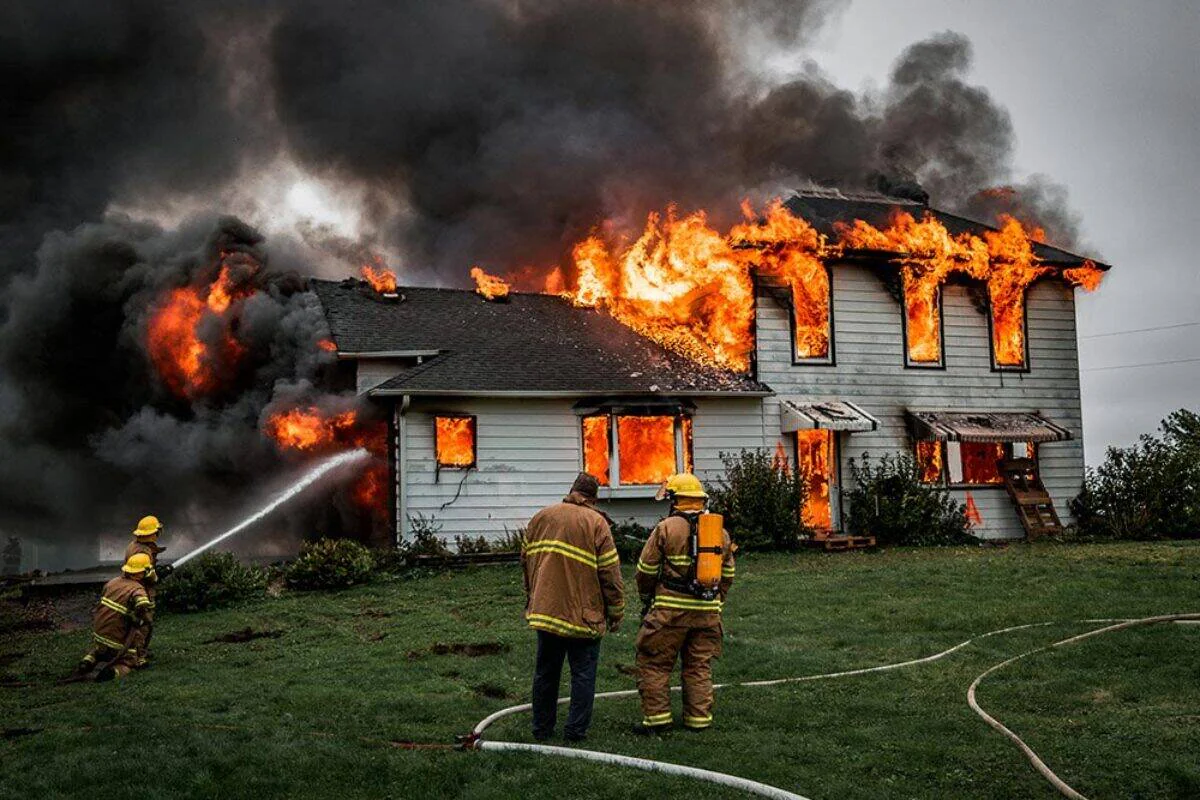
In the corporate environment, businesses often focus their risk management efforts on areas such as cybersecurity, financial planning, data protection, and supply chain continuity. While these risks are certainly important, fire safety should receive the same level of attention. A workplace fire can cause extensive property damage, disrupt daily operations, result in significant financial losses, and create serious legal and safety consequences for a company.
A well-planned fire safety strategy is therefore an essential part of protecting both employees and business operations. From reliable detection systems to regular risk assessments and staff training, every element has a role to play in reducing the potential impact of a fire.
Why Fire Safety Matters for Businesses
A fire can develop quickly, leaving employees with very little time to respond. Even a relatively small incident can damage electrical equipment, documents, stock, machinery, and other valuable business assets. For larger organisations, the resulting interruption can affect customers, employees, suppliers, and revenue for an extended period.
Effective fire prevention and response measures help businesses identify potential hazards before they become serious problems. They also provide employees with clear procedures to follow if an emergency occurs.
Fire safety is not simply about meeting regulatory requirements. It is also an important part of protecting business continuity and creating a safer working environment.
The Role of Commercial Fire Alarm Systems
Early detection is one of the most important components of an effective fire protection strategy. A reliable alarm system can identify signs of fire at an early stage and alert employees before the situation becomes more difficult to control.
Professional commercial fire alarms installation can provide businesses with detection systems designed around the size, layout, and specific risks of their premises. Depending on the building and its requirements, these systems can incorporate different types of detectors, alarms, control panels, and other safety features.
An effective alarm system can help provide valuable additional time for evacuation and emergency response. Early warning may also help limit damage to important equipment, stock, records, and other business assets.
Regular Fire Risk Assessments
Installing fire safety equipment is only one part of responsible fire management. Businesses should also carry out regular fire risk assessments to identify hazards within the workplace.
A fire risk assessment can help organisations examine areas such as:
- Electrical equipment and wiring
- Storage of combustible materials
- Emergency exits and escape routes
- Fire doors and compartmentation
- Alarm and detection systems
- Fire extinguishers and other equipment
- Employee awareness and emergency procedures
Identifying weaknesses early gives businesses an opportunity to address them before they contribute to an emergency.
Maintenance and Testing Are Essential
Even high-quality fire safety equipment needs regular inspection and maintenance. An alarm system that has not been tested or properly serviced may fail to provide the expected warning during an emergency.
Businesses should establish appropriate schedules for testing alarms, inspecting fire extinguishers, checking emergency lighting, and maintaining other fire protection equipment. Any faults should be investigated and addressed promptly.
Keeping maintenance records can also help demonstrate that the organisation takes its fire safety responsibilities seriously.
Employee Training and Emergency Preparedness
Technology alone cannot provide complete protection. Employees need to understand what they should do when a fire alarm is activated.
Regular training can help staff become familiar with emergency exits, evacuation procedures, assembly points, and the appropriate response to different situations. New employees should also receive relevant fire safety information as part of their workplace induction.
Emergency drills can further help employees understand the evacuation process and highlight areas where procedures may need improvement.
Supporting Business Continuity
The consequences of a workplace fire can extend well beyond physical damage. A serious incident may force a business to temporarily close, relocate operations, replace equipment, recover important records, or deal with disrupted customer and supplier relationships.
A proactive fire safety strategy can reduce the likelihood and potential severity of these disruptions. Combining reliable detection equipment with prevention measures, maintenance, employee training, and emergency planning gives businesses a stronger foundation for maintaining operations when unexpected incidents occur.
Protecting People, Property, and Business Operations
Fire safety should be treated as an ongoing business responsibility rather than a one-time compliance exercise. Regular assessments, properly maintained equipment, effective alarm systems, and well-trained employees all contribute to a safer corporate environment.
By investing in appropriate fire protection measures and reviewing procedures regularly, businesses can reduce avoidable risks while protecting their employees, premises, equipment, and long-term operational stability. A strong fire safety strategy ultimately supports both workplace safety and business resilience.