Introduction
Elevator floor buttons are essential components of modern elevator systems, allowing passengers to select their desired floors quickly and conveniently. Although these buttons may appear simple, they play an important role in elevator usability, accessibility, and daily operation. They are used in residential buildings, offices, shopping malls, hospitals, hotels, and industrial facilities.
Choosing the right elevator floor button involves more than selecting an attractive design. Durability, tactile feedback, visibility, electrical compatibility, and ease of maintenance all influence long-term performance. Building owners, elevator manufacturers, and maintenance companies should understand these factors to ensure that elevator control panels remain reliable and user-friendly.
What Are Elevator Floor Buttons?
Elevator floor buttons are control-panel switches that allow passengers to request a specific floor. When a passenger presses a button, the elevator control system registers the selection and coordinates the elevator’s movement according to its operating program.
Most elevator cabins have an interior panel containing numbered floor buttons, door-open and door-close buttons, and other controls where applicable. Landing panels outside the elevator typically include call buttons that request an elevator to travel up or down.
Floor buttons are available in different shapes, materials, sizes, and activation styles. Common designs include round, square, illuminated, touch-sensitive, and tactile buttons. The most suitable option depends on the elevator design, building requirements, and expected passenger traffic.
Common Types of Elevator Floor Buttons
Mechanical Push Buttons
Mechanical elevator floor buttons activate through physical pressure. When pressed, an internal switching mechanism sends an electrical signal to the elevator controller.
These buttons are widely used because they provide clear physical feedback and are relatively straightforward to inspect and replace. Their service life depends on component quality, installation, maintenance, and the number of daily activations.
Illuminated Floor Buttons
Illuminated buttons use integrated lighting to indicate that a floor selection has been registered or to make the control panel easier to see. LED lighting is common in modern designs because it can provide clear visibility with relatively low power consumption.
The lighting color and behavior should match the elevator’s control system. A clearly illuminated selection can help passengers understand which floor they have requested.
Touch-Sensitive Buttons
Touch-sensitive elevator controls detect contact without requiring the same mechanical movement as a traditional push button. They can provide a modern appearance and may be used in buildings with contemporary interior designs.
However, touch-sensitive controls must be selected carefully. Their performance, cleaning requirements, accessibility, and compatibility with the elevator controller should be evaluated before installation.
Braille and Tactile Buttons
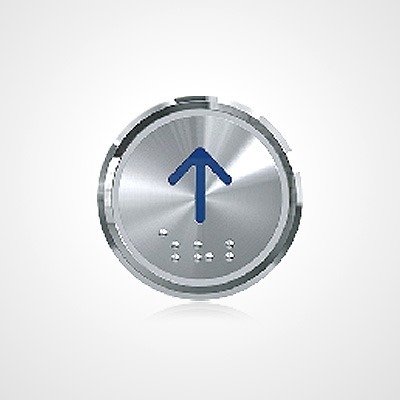
Accessibility is an important consideration when designing elevator control panels. Buttons with raised markings and Braille can help passengers with visual impairments identify the correct floor.
The arrangement, spacing, height, and labeling of the buttons should follow applicable accessibility standards and local building regulations. Where required, audible announcements and other accessible features can further improve usability.
Materials Used in Elevator Floor Buttons
The materials used in elevator floor buttons influence their appearance, durability, and maintenance requirements.
Stainless steel is a common choice for commercial elevators because it provides a durable surface and can complement modern interiors. It is also available in different finishes that help designers coordinate the control panel with the surrounding cabin.
Plastic buttons may offer flexibility in shape, color, and cost. They can be suitable for certain residential or commercial applications, depending on the material grade and expected usage.
Other designs may use metal bezels, printed markings, glass surfaces, or specialized finishes. In high-traffic buildings, materials should resist wear, scratches, and frequent cleaning.
When comparing products, buyers should review the quality of the surface finish, the clarity of floor markings, and the availability of replacement components.
Important Features to Consider
Selecting suitable elevator floor buttons requires attention to several practical features.
Durability: Buttons in shopping centers, hospitals, office towers, and transport facilities may be pressed thousands of times. Components should be rated for the intended usage and supported by appropriate maintenance arrangements.
Clear visibility: Floor numbers and other markings should be easy to read. Lighting, contrast, font size, and panel layout all affect visibility.
Responsive operation: A button should register a selection consistently without requiring excessive pressure or repeated attempts. The switching mechanism and controller interface must be compatible.
Accessibility: Raised symbols, Braille, suitable spacing, and appropriate installation heights can make elevator controls easier to use for a wider range of passengers.
Maintenance: Replaceable components, readily available spare parts, and accessible service documentation can help reduce downtime.
Design compatibility: The buttons should fit the control panel and complement the elevator’s overall appearance without compromising function or safety.
How Elevator Floor Buttons Work With the Control System
An elevator floor button is one part of a larger control system. When a passenger presses a button, the switch or sensor generates a signal that the controller interprets as a floor request.
The controller considers the elevator’s current position, direction, registered requests, and operating mode. It then coordinates the movement of the elevator according to the system’s programming and safety requirements.
An illuminated button may indicate that a request has been registered, although the exact behavior depends on the elevator model. Some systems also cancel or modify selections under particular operating conditions.
Because the buttons connect to electrical and control equipment, replacement parts must match the system’s specifications. A button that physically fits the panel may still be unsuitable if its electrical characteristics or connector arrangement are incompatible.
Installation and electrical work should be carried out by qualified elevator technicians following the manufacturer’s instructions.
Maintenance and Troubleshooting
Regular inspection helps identify elevator floor button problems before they affect passenger convenience.
A button that fails to respond may have a worn switching mechanism, a damaged connection, a control-system fault, or another underlying issue. If its light does not illuminate, the cause may involve the lighting component, wiring, power supply, or controller configuration.
Sticky buttons can result from dirt, cleaning-product residue, or physical wear. Cleaning should follow the manufacturer’s recommendations to avoid damaging the panel or allowing liquid to enter the electrical components.
Building managers should record recurring faults and arrange professional inspection when necessary. Technicians can test the button, inspect connections, and confirm whether the issue originates in the control panel or another part of the elevator system.
Passengers and unqualified staff should not open elevator panels or attempt internal repairs. Elevator equipment must remain protected by its required safety systems throughout maintenance.
Choosing an Elevator Floor Button Supplier
When sourcing elevator floor buttons, buyers should first identify the elevator manufacturer, model, control-panel design, and required button specifications. Clear product details help suppliers determine whether a component is compatible with the existing system.
Ask about operating life, materials, illumination options, tactile markings, replacement availability, and warranty terms. For large projects, it may be useful to request samples to evaluate appearance, physical feedback, and fit.
Suppliers should also provide relevant technical documentation and clear instructions for compatible installation. For replacement projects, matching the original electrical and mechanical specifications is particularly important.
Price should be compared alongside product quality, delivery time, and after-sales support. A low-cost component may not represent good value if it wears quickly or is difficult to replace.
Conclusion
Elevator floor button contribute to the safety, convenience, and accessibility of modern elevator systems. From mechanical push buttons to illuminated and tactile designs, each option offers features suited to different building environments.
The right choice depends on compatibility, durability, visibility, accessibility, and maintenance requirements. By selecting appropriate components and arranging professional installation, building owners and elevator service providers can support dependable operation and a better passenger experience.
Frequently Asked Questions
What are elevator floor buttons used for?
They allow passengers to select their destination floor or request an elevator from a landing panel.
Which material is best for elevator floor buttons?
Stainless steel is a common durable option, but the best material depends on the elevator’s design, usage, and maintenance needs.
Why might an elevator floor button stop working?
Possible causes include a worn switch, a damaged connection, a lighting fault, or a problem with the elevator control system.
Can elevator floor buttons be replaced individually?
In some systems, individual buttons can be replaced, provided the replacement is compatible with the control panel and electrical specifications. A qualified elevator technician should perform the work.