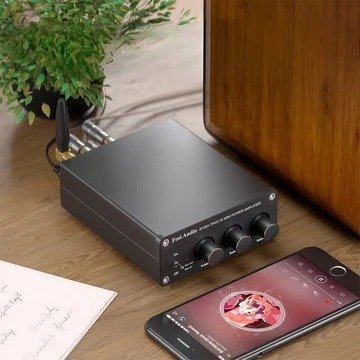
A great listening experience depends on more than the quality of your headphones. The device powering them can also influence volume, clarity, and overall performance. A headphone amplifier provides additional power to drive headphones that may not reach a comfortable listening level when connected directly to a computer, phone, or audio interface.
Whether you enjoy music at home, record audio professionally, or edit videos, choosing the right amplifier can help you build a reliable audio setup.
What Is a Headphone Amplifier?
A headphone amplifier is an electronic device that increases the electrical signal supplied to headphones. Some headphones require more voltage or current than a typical phone or laptop output can provide, particularly when listening at higher levels.
An amplifier can help these headphones reach suitable listening volumes without forcing the source device to operate at its limits. However, not every headphone needs a separate amplifier. Many everyday models work well with built-in outputs.
Understand Your Headphones
Before purchasing an amplifier, check your headphones’ impedance and sensitivity specifications. Impedance, measured in ohms, describes how headphones resist electrical current. Sensitivity indicates how efficiently they convert an electrical signal into sound.
Neither specification alone determines whether an amplifier is necessary. A high-impedance headphone may benefit from an amplifier with sufficient voltage, while a low-sensitivity model may need more power to reach the desired volume.
Compare the specifications of your headphones with the amplifier’s supported output levels to find a suitable match.
Choose Between Desktop and Portable Models
Desktop headphone amplifiers are designed for stationary setups, including home listening rooms, recording studios, and office desks. They may provide higher output power, multiple input options, and separate controls for different headphones.
Portable models are generally smaller and easier to carry. Some connect through USB, while others use rechargeable batteries or work with compatible mobile devices. A portable headphone amplifier can be useful for commuters, musicians, and listeners who want to improve their setup away from home.
Choose a format that suits your daily routine and available connections.
Consider Sound Quality and Features
A well-designed amplifier should provide enough clean power for your headphones without introducing audible distortion or unwanted noise. Features such as gain adjustment, volume controls, and multiple output connections may also be useful.
Some devices combine a digital-to-analog converter, or DAC, with a headphone amplifier. A DAC converts digital audio into an analog signal, while the amplifier provides the power needed to drive the headphones. A combined device can simplify a computer-based audio setup.
Extra features are helpful only when they match your actual needs.
Check Compatibility Before Buying
Review the amplifier’s input connections, output connectors, and supported audio sources. Common options include USB, RCA, and 3.5 mm connections, although availability differs by model.
If you use studio headphones, gaming headsets, or professional audio equipment, confirm that the amplifier supports the required connector and microphone arrangement. A headphone amplifier does not automatically provide microphone amplification or headset controls.
Conclusion
The right headphone amplifier can provide the power and connectivity needed for a more dependable listening setup. By checking headphone specifications, amplifier output, connection types, and intended use, you can choose equipment that fits your requirements without paying for unnecessary features.