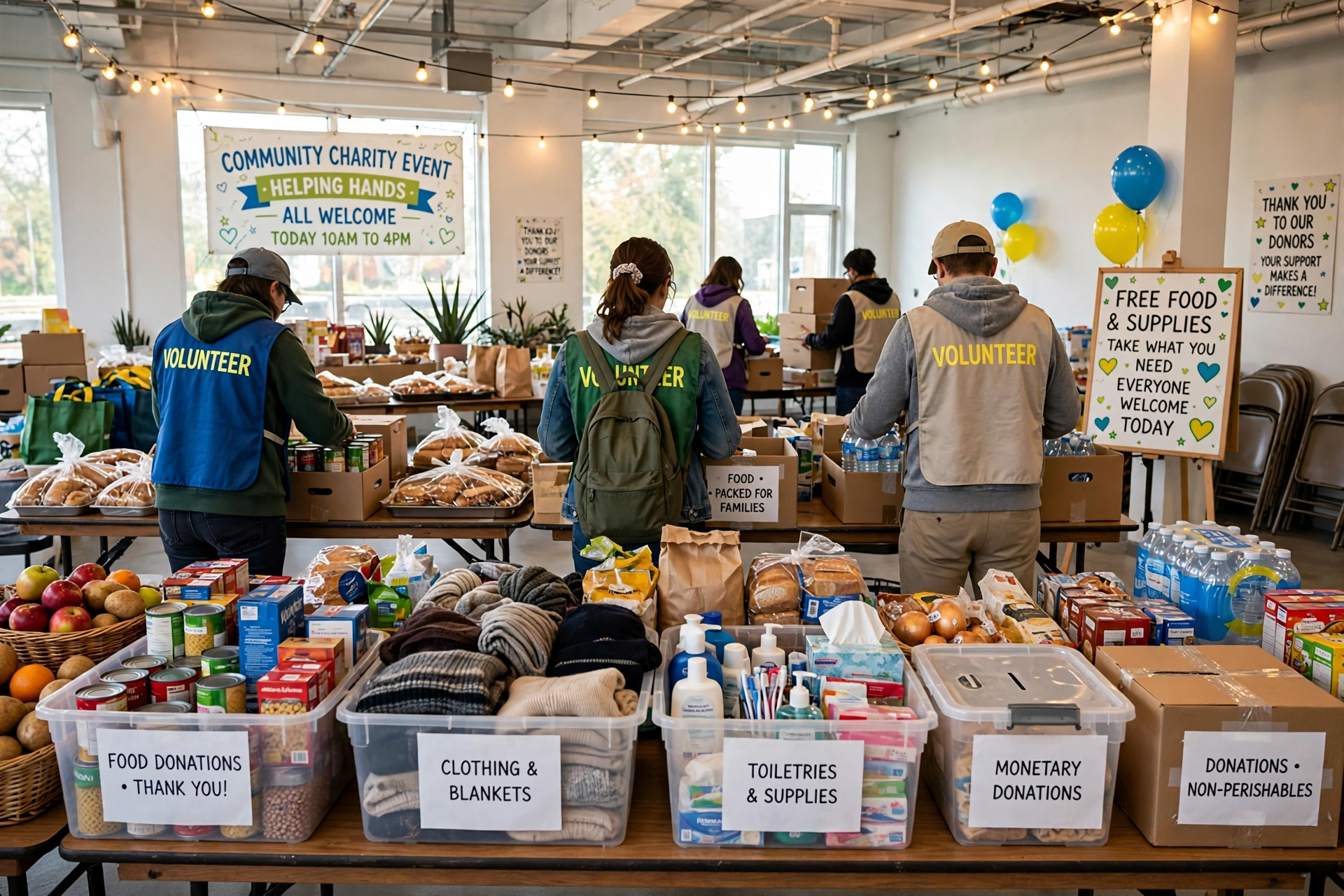
Civil society in the UK is one of the most important forces in British life, yet it is also one of the least understood. It is the network of charities, voluntary groups, community organisations, social enterprises, trade unions, faith groups, and campaigning movements that sits between the state, the market, and the family, and it touches almost every part of daily life. When a food bank hands out parcels to families in need, when a local sports club trains children on a Saturday morning, when a charity funds cancer research, or when a residents’ association campaigns to save a local library, that is civil society at work. It is the space where people come together voluntarily to help each other, to solve shared problems, and to make their communities stronger.
This article explains civil society in the UK: definition, examples, roles and why it matters today. It sets out what civil society means, who is part of it, how big it is, what it does, and why it has become more important than ever in an age of cost-of-living pressures, stretched public services, and falling trust in institutions. Whether you are a student, a volunteer, a charity worker, or simply someone who wants to understand how British society works beyond government and business, this guide gives you a clear and complete picture.
What Is Civil Society? A Clear Definition
Civil society is the space between the state, the market, and the family, where people organise themselves voluntarily to pursue shared interests, help others, and improve their communities. It is not the government, which exercises power through laws and public services, and it is not the market, where businesses buy and sell for profit. Nor is it the private world of the family. Instead, civil society is the public space in between, made up of organisations and groups that people join freely and that exist to serve a purpose beyond profit or state control. This definition is widely used by academics, policymakers, and sector bodies, and it captures the essential idea that civil society is where citizens act together on their own initiative.
The organisations that make up civil society are enormously varied. They include registered charities such as Cancer Research UK and the National Trust, voluntary and community groups such as food banks and lunch clubs, social enterprises that trade to fund a social purpose, cooperatives owned by their members, trade unions that represent workers, faith groups that provide worship and community support, campaigning groups that push for political change, and sports clubs and hobby societies that bring people together around a shared interest. What unites them is that they are independent of the state, not run for private profit, and based on voluntary participation. Some are large professional organisations with thousands of staff, while others are tiny neighbourhood groups run entirely by volunteers, but they all belong to the same broad space that we call civil society.
Civil Society in the UK: Examples You Will Recognise
The best way to understand civil society is through examples, because most people already encounter it every week without realising it. Cancer Research UK is one of the largest charities in the country, funding research into the prevention, diagnosis, and treatment of cancer, and it is supported by millions of donors, fundraisers, and volunteers. The National Trust looks after historic houses, gardens, and stretches of coastline, preserving them for public enjoyment. Citizens Advice provides free, confidential advice on benefits, debt, housing, and employment to millions of people each year, staffed largely by trained volunteers. Food banks, coordinated by networks such as the Trussell Trust as well as by independent local groups, distribute emergency food parcels to people in crisis, and they have become one of the most visible faces of civil society in recent years.
At a smaller scale, civil society is your local sports club, your residents’ association, your faith group, your parent-teacher association, or the community garden at the end of your street. It is the volunteer-run youth club, the charity shop on the high street, the community choir, and the campaign group fighting to protect a local park. These groups may be small, but they matter enormously to the people who use them, and together they form a dense web of community life that no government programme could replace. When people talk about the voluntary sector, the charity sector, or the third sector, they are usually talking about parts of this same world, although civil society is the broadest term, because it also includes informal groups and movements that are not registered charities.
The Size and Scale of Civil Society in the UK
Civil society in the UK is far bigger than most people realise, and the numbers show just how much of British life it covers. According to NCVO’s UK Civil Society Almanac, which is the most authoritative annual picture of the sector, there are about 166,000 voluntary organisations in the UK, and their total income was £69.1 billion in 2021/22, up 9% on the previous year. That income comes from a mix of sources, including donations from the public, grants from trusts and foundations, contracts to deliver public services, and trading income from charity shops and social enterprises. The scale of the sector means that it is a significant part of the UK economy as well as a vital part of its social fabric.
The structure of the sector is striking, because most organisations are very small while a small number are very large. Around 80% of voluntary organisations are micro and small, with an annual income of under £100,000, and many of them are run entirely by volunteers with no paid staff at all. At the other end of the scale, large, major, and super-major organisations with an income of over £1 million make up just 4% of all organisations, yet they dominate the sector’s income, spending, and assets. Social services is the largest subsector, accounting for 19% of organisations and 23% of total income, which reflects the central role that charities play in supporting vulnerable people, from older people and disabled people to children and families. The voluntary sector employed 978,000 people in 2024, about 3% of the UK workforce, which makes it a major employer in its own right.
The Roles Civil Society Plays
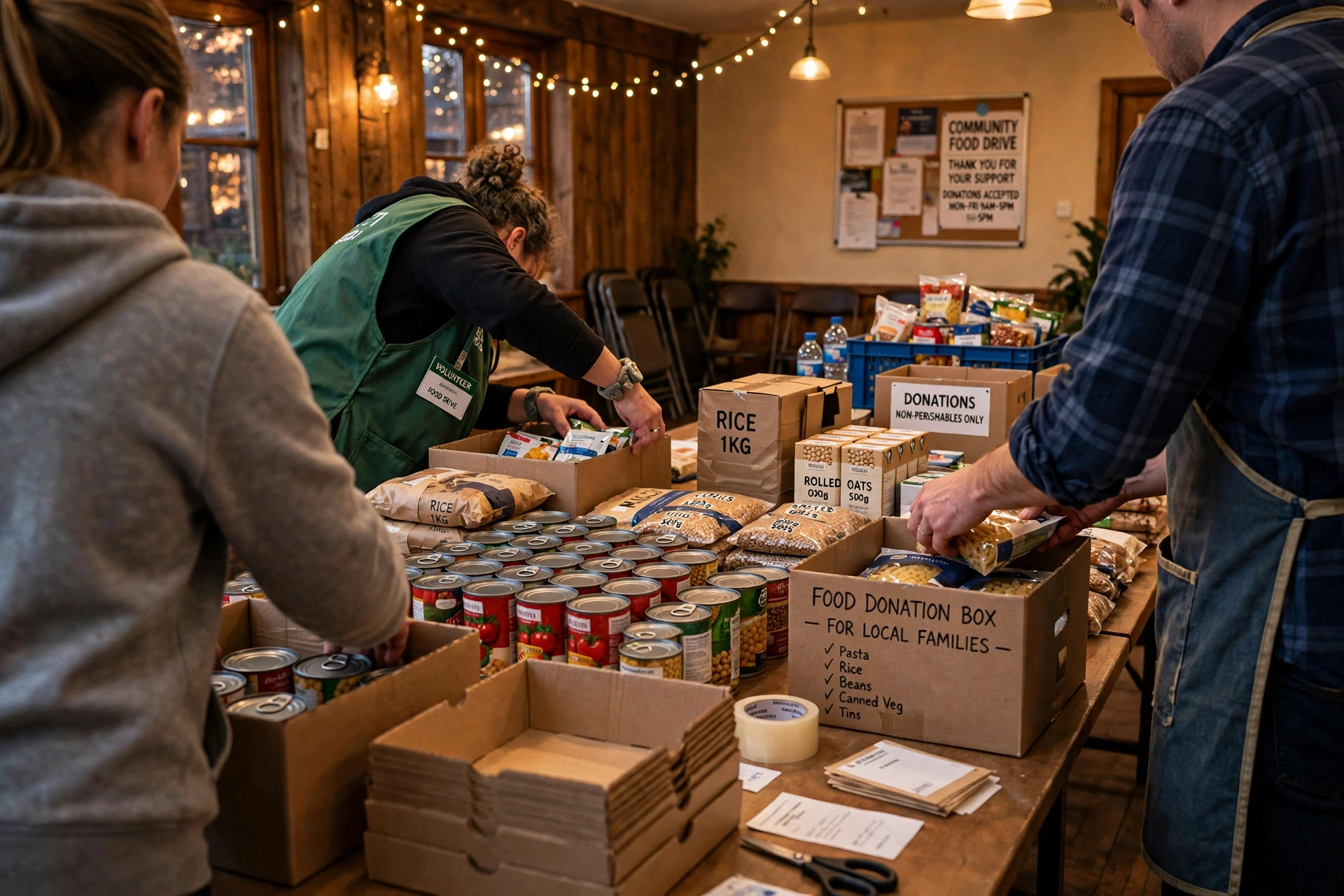
Civil society plays several distinct roles in British life, and understanding them helps explain why it matters so much. The first and most visible role is delivering services. Charities and voluntary groups provide care for older people, support for people with disabilities, housing advice, mental health services, youth work, and countless other services, often reaching people that statutory services struggle to reach. In many areas, the state now contracts charities to deliver public services, which means that civil society is not just an add-on to the welfare state but a core part of how services are provided.
The second role is advocacy and campaigning. Civil society organisations give a voice to people and causes that might otherwise be ignored, from disability rights and environmental protection to refugee support and poverty. They research problems, publish reports, lobby politicians, organise petitions, and take part in public debate, and they have been behind many of the most important social changes in British history, including the abolition of slavery, the extension of the vote, and the introduction of the welfare state. A third role is building community and social cohesion: by bringing people together around shared interests and shared places, civil society creates the trust, networks, and neighbourliness that make communities work. Finally, civil society is a source of social innovation, testing new ideas such as food banks, community energy projects, and social prescribing before they are adopted more widely.
Volunteering: The People Who Power Civil Society
None of this would be possible without volunteers, and volunteering is the lifeblood of civil society in the UK. According to the NCVO Almanac, around 14.2 million people, or 27% of the population, volunteered formally in 2021/22, giving their time to charities, community groups, sports clubs, and faith organisations. That figure covers formal volunteering through an organisation, and it does not include the millions more who help neighbours informally, look after relatives, or take part in community activities without any formal arrangement. Volunteers do everything from staffing charity shops and driving community minibuses to serving as trustees, coaching children’s football, and running food banks.
Volunteering matters for the volunteers themselves as well as for the people they help. It builds skills, confidence, and friendships, and it can be a route into employment, particularly for young people and for those returning to work after a break. It also strengthens communities, because people who volunteer are more likely to know their neighbours, to trust local institutions, and to take part in civic life. Yet volunteering faces challenges: the number of regular volunteers has fallen since the pandemic, and many organisations report that it is harder to recruit and retain volunteers than it used to be. Understanding why people volunteer, and what stops them, is one of the most important questions facing civil society today.
Why Civil Society Matters Today
Civil society in the UK matters more today than it has for decades, and the reasons are closely tied to the pressures facing British society. The cost-of-living crisis has pushed more people to rely on food banks, debt advice, and emergency support, and charities are often the first port of call for families in difficulty. Public services are under strain, with long waiting lists in the NHS, overstretched social care, and cuts to local authority budgets, and civil society organisations are filling gaps that the state cannot cover. At the same time, democratic participation is under pressure, with falling trust in politicians and institutions, and civil society provides one of the few spaces where people can take part in public life directly, whether by joining a campaign, standing as a charity trustee, or simply helping out at a community event.
There is also a deeper reason why civil society matters, which is about what kind of society Britain wants to be. A strong civil society means that power is not concentrated only in government and business, but is shared with citizens and communities who can organise, speak up, and hold institutions to account. It means that people have places to belong, causes to support, and neighbours to rely on. And it means that social problems are not left only to the state or the market, but are tackled by the people who understand them best. In that sense, civil society is not a luxury or an optional extra; it is one of the foundations of a healthy democracy.
The Challenges Facing Civil Society
For all its strengths, civil society in the UK faces serious challenges, and it is important to be honest about them. Funding is the most pressing problem: many charities rely on donations and grants that have not kept pace with rising costs, and contracts to deliver public services are often short-term and underfunded. Small organisations are particularly vulnerable, because they lack the reserves and the fundraising capacity of larger charities, and some have closed in recent years. The cost-of-living crisis has made this worse, because demand for services has risen sharply at the same time as donations have come under pressure.
Other challenges are structural. The regulatory environment for charities is complex, and trustees carry significant legal responsibilities that can put people off volunteering for leadership roles. The sector also faces questions about diversity and representation, because its leadership does not always reflect the communities it serves. And the rise of digital technology brings both opportunities and risks, from online fundraising and remote volunteering to the spread of misinformation and the challenge of reaching people who are digitally excluded. None of these challenges is insurmountable, but they require attention from government, funders, and the sector itself if civil society is to keep playing the role that Britain needs from it.
What Is Civil Society in Simple Terms?
Civil society in simple terms is the part of society made up of charities, voluntary groups, community organisations, trade unions, faith groups, and campaigning movements that sit between the state, the market, and the family. It is where people come together voluntarily to help others, solve shared problems, and improve their communities, independent of government and not run for private profit. Examples include food banks, sports clubs, residents’ associations, and large charities such as Cancer Research UK and the National Trust.
How Big Is Civil Society in the UK?
Civil society in the UK is very large. According to the NCVO UK Civil Society Almanac 2024, there are about 166,000 voluntary organisations in the UK, with a total income of £69.1 billion in 2021/22. Around 80% of these organisations are micro and small, with income under £100,000, while organisations with income over £1 million make up just 4% of the total but dominate income, spending, and assets. The voluntary sector employed 978,000 people in 2024, about 3% of the UK workforce, and around 14.2 million people volunteered formally.
What Are Examples of Civil Society in the UK?
Examples of civil society in the UK include large charities such as Cancer Research UK, the National Trust, and Citizens Advice; food banks coordinated by the Trussell Trust and independent local groups; local sports clubs, residents’ associations, and faith groups; trade unions; social enterprises and cooperatives; and campaigning groups working on issues from the environment to poverty. At a local level, civil society also includes parent-teacher associations, community gardens, youth clubs, and charity shops, all of which are run by volunteers and serve their communities.
What Role Does Civil Society Play in Democracy?
Civil society plays a vital role in democracy by giving citizens a voice, holding power to account, and providing spaces for public debate and participation. Charities and campaigning groups research problems, lobby politicians, organise petitions, and take part in public debate, while community groups bring people together and build the trust and networks that make democratic life work. A strong civil society means that power is shared between government, business, and citizens, rather than concentrated in the hands of a few, and it gives people practical ways to influence the decisions that affect their lives.
Is a Charity the Same as Civil Society?
A charity is part of civil society, but civil society is broader than charities alone. Charities are organisations registered with the Charity Commission that exist for charitable purposes, such as relieving poverty or advancing education. Civil society also includes voluntary and community groups that are not registered charities, social enterprises, cooperatives, trade unions, faith groups, sports clubs, and informal campaigning movements. In other words, all charities belong to civil society, but not all of civil society is made up of charities.
How Can I Get Involved in Civil Society?
You can get involved in civil society by volunteering with a local charity or community group, donating to a cause you care about, joining a sports club or residents’ association, or becoming a trustee of a charity. National volunteering platforms and local volunteer centres can help you find opportunities that match your skills and interests, and many organisations welcome volunteers for a few hours a week. Even small actions, such as helping a neighbour, joining a community clean-up, or supporting a local food bank, are part of civil society, and they make a real difference to the people around you.
Conclusion
Civil society in the UK is the space between the state, the market, and the family, and it is one of the most important parts of British life. With about 166,000 voluntary organisations, £69.1 billion in income, nearly a million employees, and 14.2 million formal volunteers, it is a vast and varied world that ranges from the largest national charities to the smallest neighbourhood groups. It delivers essential services, campaigns for change, builds communities, gives a voice to marginalised people, and holds power to account, and it does so largely through the energy and generosity of ordinary people who give their time, money, and skills. That, in short, is civil society in the UK: definition, examples, roles and why it matters today.
Today, civil society matters more than ever, because it is filling gaps left by stretched public services, supporting families through the cost-of-living crisis, and providing spaces where people can take part in public life. It faces real challenges, from funding pressures to falling volunteer numbers, but its importance is not in doubt. The question for Britain is not whether civil society matters, but how to support it so that it can keep doing what it does best: bringing people together to help each other and to build stronger communities. The answer begins with each of us, in the groups we join, the causes we support, and the time we give.
If you enjoy team sports and want to understand another one better, read our guide to rugby positions and the fifteen roles that make a rugby team work.