Introduction
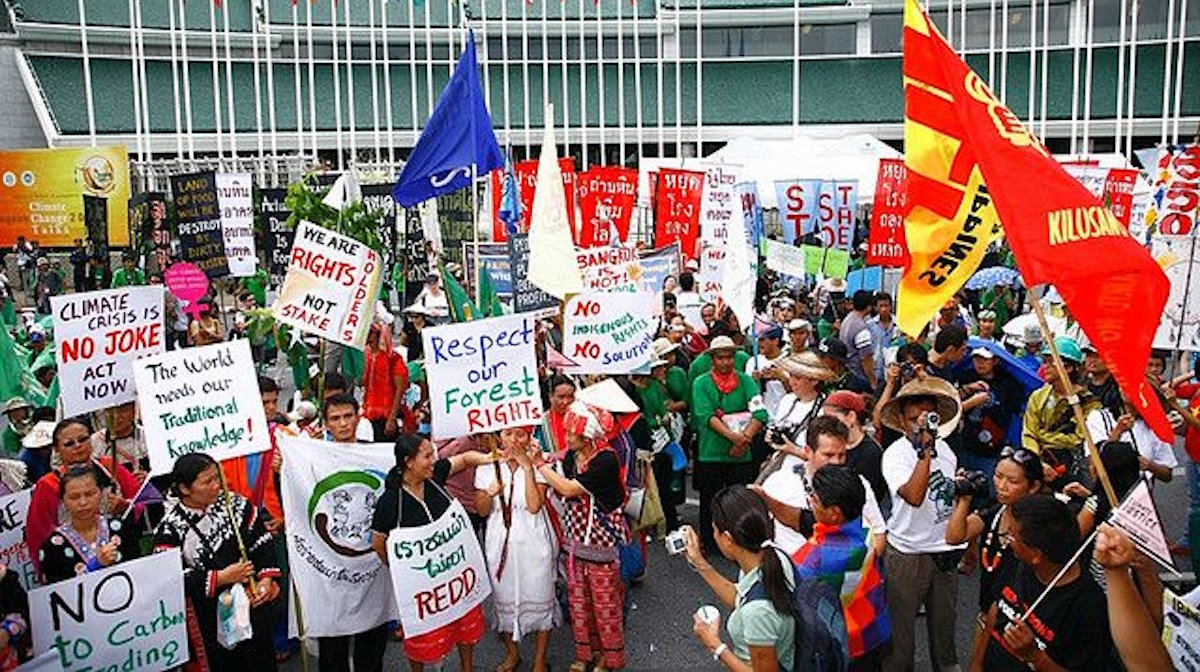
In every healthy community, there is a space where people come together not for profit and not because the state instructs them to do so, but because they care about shared concerns. That space is often shaped by voluntary action, public spirit, and social trust. It is where neighbors organize, charities respond, unions speak for workers, faith groups help the poor, and campaigners raise their voices for justice and reform.
Civil Society plays a central role in that space because it connects everyday people to the larger life of a nation. It helps communities solve problems, defend rights, and encourage participation in public affairs. While governments make laws and businesses create wealth, civic organizations and informal groups often give society its moral energy, its sense of responsibility, and its power to act together for the common good.
The topic matters today more than ever because modern societies face complex pressures, including inequality, polarization, environmental stress, and rapid technological change. In such conditions, communities need trusted institutions and active citizens who can respond with care, accountability, and creativity. The strength of a society is not measured only by its economy or political system, but also by the vitality of the people and associations working between them.
This article explores the meaning, history, characteristics, functions, importance, and examples of this vital social sphere. It also looks at its connection with democracy, human rights, and development, while examining the challenges it faces in the digital age. By the end, readers will have a clear understanding of why this field remains essential to building fairer, stronger, and more participatory societies.
What Civil Society Means in Everyday Life
At its simplest level, this idea refers to the wide range of groups, associations, networks, and community efforts that exist outside direct state control and beyond the world of private profit. It includes charities, neighborhood committees, advocacy groups, professional bodies, labor unions, women’s forums, youth clubs, cultural organizations, and faith-based initiatives. These groups may differ in size and purpose, but they share a public-facing role and a concern for collective well-being.
What makes this sphere especially meaningful is that it often begins with ordinary people responding to ordinary needs. A local reading club, a volunteer health camp, a legal aid network, or a group supporting flood victims may all be part of the same broad tradition of civic action. Some organizations are highly formal and registered, while others are informal and flexible, built on trust, relationships, and a sense of shared duty.
The phrase Civil Society is also used in academic, political, and development discussions to describe a social space that stands between the individual, the market, and the state. In that space, people cooperate freely, form associations, debate issues, and work toward common goals. It is not limited to protest or activism alone. It also includes service, education, community building, cultural expression, and the patient work of strengthening social bonds.
In everyday life, its value becomes clear when institutions fail to reach everyone equally. When schools lack support, when communities need relief after disaster, when citizens want cleaner streets or safer neighborhoods, civic initiative often fills the gap. This is why the concept is more than a theory in textbooks. It is a living part of social life, rooted in human relationships, moral responsibility, and the belief that people can improve the world around them together.
Historical Roots and the Growth of Civic Thought
The history of this idea stretches back to classical political thought, when philosophers first reflected on the relationship between the individual and the wider community. Early thinkers did not always separate the state from social life in the way modern writers do, but they recognized that public virtue, shared customs, and civic responsibility were necessary for a stable and just political order. Over time, these reflections laid the foundation for a richer understanding of organized public life.
In later centuries, especially during the Enlightenment and the rise of modern nation-states, thinkers began to describe society as containing several distinct spheres. Political authority, economic exchange, and voluntary association were increasingly understood as different parts of social organization. This change helped shape the modern meaning of civic life, where people could act together independently of rulers and without purely commercial motives.
The growth of industry, urban life, mass politics, and print culture expanded these possibilities even further. Associations, unions, reform societies, religious missions, charitable networks, and community groups became more visible in public life. They helped address poverty, labor exploitation, education, and public health. In many countries, these organizations also supported democratic movements and resisted authoritarian power, making them central to political and social change.

In the modern period, the concept gained global importance through human rights advocacy, international development work, peacebuilding, and grassroots mobilization. It came to represent not only formal organizations but also the broader culture of participation, solidarity, and accountability. Today, its history reminds us that strong societies are rarely built by government action alone. They are also shaped by citizens who organize, cooperate, and insist that public life must serve human dignity and justice.
Core Features That Define This Social Sphere
One of the clearest features of this sphere is voluntary participation. People join these groups because they believe in a cause, want to contribute, or feel connected to a community need. They are not simply following orders from a state office, and they are not entering purely for private profit. This freedom of association gives civic life its unique character and allows people from different backgrounds to work toward shared goals.
Another important feature is relative independence. Although many organizations cooperate with public institutions or receive external funding, they are not meant to function as instruments of state power. Their strength comes from their ability to speak honestly, mobilize people, and reflect community needs without losing their critical voice. Independence does not mean isolation. It means retaining enough autonomy to serve the public interest with integrity and trust.
Diversity is also central to the character of this field. It contains many voices, methods, and identities. Some groups focus on relief and welfare, others on advocacy and reform, and still others on education, culture, or professional development. This variety reflects the richness of social life itself. A society with many active associations is often better able to represent different interests, reduce exclusion, and encourage peaceful participation rather than silence or alienation.
A final defining feature is collective action for the public good. Even when organizations disagree with one another, they usually operate in relation to wider social questions. They may seek cleaner environments, safer workplaces, better schools, stronger rights, or more responsive institutions. Their work demonstrates that citizenship is not limited to voting once in a while. It also involves organizing, helping, discussing, and building public life through sustained engagement and shared effort.
Functions in Public Life and Community Well-Being
The practical functions of this sector are broad and deeply important. One major function is service delivery, especially in places where public systems are weak, underfunded, or unevenly distributed. Local organizations often provide food support, community education, health awareness, shelter assistance, legal guidance, and psychosocial care. They can respond quickly because they are close to the people they serve and understand local conditions with more detail and sensitivity.
Another major function is advocacy. Many civic groups give voice to those who are ignored, marginalized, or politically weak. They raise concerns about unfair laws, unsafe working conditions, violence, discrimination, or the misuse of public resources. Through campaigns, reports, legal action, dialogue, and public education, they help transform private suffering into public concern. In this way, they keep social issues visible and push institutions to face realities they might otherwise avoid.
Civil Society also plays an educational role that is often overlooked. It teaches people how to participate, cooperate, question, and contribute. Whether through training sessions, cultural events, community meetings, public discussions, or youth programs, civic organizations help build social awareness and democratic habits. They nurture leadership, confidence, and responsibility. In societies where many people feel powerless, this educational work can be just as valuable as direct aid or political campaigning.
Another vital function is social mediation. Civic actors often help reduce tensions, connect communities to institutions, and encourage peaceful dialogue. During conflict, crisis, or deep division, they may serve as trusted intermediaries who understand local realities and can promote reconciliation. Their work helps prevent society from becoming a simple contest between power from above and frustration from below. By creating spaces for cooperation, they strengthen the fabric that holds communities together.
Why It Matters in Democracy and Good Governance
A democratic system needs more than elections, constitutions, and public offices. It also needs citizens who are informed, active, and willing to take responsibility for the wider good. This is where civic life becomes crucial. It encourages participation beyond the ballot box by allowing people to join associations, attend forums, support causes, monitor institutions, and raise public questions. Democracy becomes stronger when citizens are not passive spectators but engaged participants in national life.
This sphere also promotes accountability, which is essential for good governance. Public institutions may have legal authority, but they still need oversight, criticism, and feedback from society. Watchdog groups, professional bodies, investigative organizations, community associations, and rights advocates often bring attention to corruption, waste, exclusion, and policy failure. Their efforts do not weaken democracy. In many cases, they improve it by making power more transparent and public service more answerable.
Another reason it matters is that it can deepen inclusion in societies where many groups feel unheard. Women, minorities, laborers, youth, people with disabilities, and rural communities may struggle to influence national decision-making through formal politics alone. Civic organizations can help these groups develop leadership, express their concerns, and build collective power. In this way, democratic life becomes more representative, more humane, and more rooted in social realities rather than elite conversations alone.
The importance of Civil Society in governance also appears during public crisis. When trust in institutions falls, when social divisions grow, or when urgent needs arise, community organizations often sustain a sense of social responsibility. They can organize relief, counter harmful narratives, support legal awareness, and maintain links between citizens and institutions. A democracy without such civic energy may continue to exist on paper, but it will struggle to remain responsive, resilient, and morally grounded.
Common Forms and Real Examples from Society
This field includes a remarkable range of organizations and activities, from small neighborhood groups to large international networks. Charities are among the most visible forms because they often provide direct support in areas such as poverty relief, education, health care, disability services, and emergency response. Community-based organizations are another important type, especially in local settings where people organize around water, sanitation, housing, schooling, or local safety.
Labor unions and professional associations also belong within this broader world. They represent workers, defend professional standards, and speak on issues that affect livelihoods and workplace dignity. Student unions, teachers’ associations, bar councils, and medical bodies can all play meaningful public roles when they advocate for fairness, ethics, and better conditions. Although they focus on specific groups, their influence often shapes wider social debates and public policy discussions.
Faith-based groups are another powerful example because they frequently combine moral guidance with practical service. In many places, they run schools, clinics, shelters, and food programs while also building habits of generosity and social responsibility. Cultural and literary associations, environmental campaigns, women’s collectives, youth forums, and disability rights networks expand the picture even further. Together, they show that public life is not built by one kind of organization alone, but by many forms of participation.
When people ask for examples of Civil Society, the best answer is often close to home. A volunteer blood donation drive, a group cleaning a public park, a legal aid center for vulnerable women, or a citizen campaign for road safety can all illustrate its living reality. These examples matter because they show that civic engagement is not an abstract idea reserved for experts. It is present wherever people organize freely to solve problems and protect shared interests.
Human Rights, Social Development, and Public Awareness
One of the most important contributions of this sector is its role in defending human dignity. Rights do not protect themselves. They need people and institutions willing to raise awareness, document abuses, support victims, and demand reform. Rights-based organizations often work in difficult conditions, especially when discrimination, censorship, or violence are normalized. Their courage helps turn hidden suffering into public knowledge and gives vulnerable people a better chance of being heard.
This work is closely connected to social development. Development is not only about roads, buildings, or income growth. It is also about education, health, opportunity, participation, and justice. Civic actors contribute by reaching communities that official systems may neglect, especially in rural, poor, or conflict-affected areas. They often bring flexible solutions, community trust, and local understanding that allow development efforts to become more inclusive and sustainable over time.
Public awareness is another area where their influence is profound. Through workshops, media campaigns, research, storytelling, school programs, and community dialogue, these groups help people understand laws, rights, health risks, environmental challenges, and social responsibilities. Awareness is powerful because it changes how people see themselves and one another. A better-informed public is more likely to challenge abuse, support reform, and participate meaningfully in social and political life.
In many cases, rights work and development work support each other. A literacy program can strengthen women’s participation. A public health campaign can reduce preventable suffering. A legal awareness initiative can protect workers from exploitation. These efforts show that social progress is strongest when services, rights, and education are linked together. Rather than treating people as passive recipients, this approach recognizes them as citizens, neighbors, and active agents in shaping a more just future.
Challenges Facing Civic Groups in the Modern Age
Despite their value, civic organizations face many obstacles that limit their effectiveness. One of the most common is financial insecurity. Many groups depend on donations, grants, or limited membership support, which can make long-term planning difficult. When funding becomes unstable, organizations may lose staff, reduce outreach, or narrow their mission. This pressure is especially severe for local groups doing essential work with very small budgets and limited institutional protection.
Political pressure is another serious challenge. In some environments, associations face restrictions on registration, public gatherings, speech, advocacy, or foreign support. They may be treated with suspicion, accused of hidden agendas, or pressured to avoid sensitive issues. Even where formal freedoms exist, informal harassment can create fear and self-censorship. Such conditions weaken public debate and discourage citizens from organizing openly around matters that affect their lives and rights.
Trust is also a growing concern. Some organizations struggle with weak transparency, poor communication, or unclear accountability to the communities they claim to represent. When this happens, public confidence can decline. Restoring trust requires honesty, internal democracy, strong governance, and clear evidence of impact. Civic groups must not only ask institutions to be accountable; they must also hold themselves to high standards if they want to remain credible voices in public life.
Civil Society today must also cope with a fast-changing environment shaped by media saturation, misinformation, and public fatigue. Many important causes compete for attention, while complex issues are reduced to slogans and conflict-driven narratives. In such a climate, organizations need patience, skill, and integrity. They must learn to communicate clearly without becoming superficial, and they must remain principled even when public pressure rewards noise more than substance.
Digital Change, New Activism, and Emerging Risks
The digital age has opened powerful new possibilities for civic action. Social media, online petitions, digital fundraising, virtual campaigns, and independent publishing tools allow groups to reach people quickly and at low cost. A local issue can gain national visibility within hours, and voices once excluded from traditional media can now speak directly to the public. This has expanded participation, especially among younger citizens who are comfortable organizing through digital spaces.
Digital tools have also improved coordination. Community groups can map needs during disasters, share legal resources, organize volunteer networks, and mobilize support across cities and even across borders. Information can travel faster, and collaboration can happen without heavy infrastructure. For small organizations, this can be transformative. It allows them to act with greater speed, tell their own stories, and engage supporters who may never have encountered their work through older forms of communication.
Yet these advantages come with serious risks. Online spaces can spread misinformation, abuse, and intimidation as quickly as they spread truth. Activists and organizations may face trolling, surveillance, data theft, reputational attacks, or deliberate manipulation. Important causes can be distorted by false narratives, while meaningful dialogue is often replaced by emotional outrage and instant judgment. Digital visibility can amplify a message, but it can also expose vulnerable people to new forms of harm.
The future of effective activism will depend on using technology wisely rather than blindly. Organizations need digital literacy, ethical communication, secure systems, and thoughtful strategies that combine online energy with real-world relationships. Sustainable change still requires trust, local work, listening, and institutional engagement. Technology can strengthen those efforts, but it cannot replace them. The most successful civic work in the digital age will likely be the kind that remains human at its core.
The Future of Civic Participation and Shared Responsibility
The future of this field will be shaped by changing generations, changing crises, and changing expectations. Younger people are entering public life with strong interests in climate justice, gender equality, mental health, digital rights, and ethical governance. They often prefer flexible networks, collaborative leadership, and visible impact over rigid structures and ceremonial institutions. This shift may transform how organizations recruit, communicate, and define public service in the years ahead.
At the same time, societies are facing problems that no single actor can solve alone. Climate change, migration, unemployment, public health risks, food insecurity, and social fragmentation demand cooperation across communities, institutions, and sectors. Civic organizations are well placed to build that cooperation because they often connect local experience with broader policy conversations. Their future importance may grow, not shrink, as public problems become more interconnected and more difficult to ignore.
Innovation will also matter. Organizations that learn, adapt, and remain transparent will be better prepared to meet public expectations. They will need stronger data, better storytelling, more inclusive leadership, and deeper community accountability. At the same time, they must avoid becoming so technical or donor-driven that they lose touch with the people they serve. Their long-term strength will depend on balancing professionalism with moral purpose and local legitimacy.
The future will not belong only to large institutions. Small groups, neighborhood networks, and informal initiatives will continue to matter because they often carry the closest knowledge of real needs. If supported well, they can become powerful forces for resilience and reform. The next chapter of public life may depend on whether societies choose to protect civic freedom, invest in participation, and treat organized public action as a democratic necessity rather than an optional extra.
Conclusion
A strong society is never built by government or markets alone. It is also built by people who care enough to organize, help, question, and create shared solutions. That is why this social sphere remains so important across history, politics, development, and daily life. It gives shape to community values, channels public participation, and helps protect the dignity of people whose voices may otherwise be overlooked or ignored.
The enduring importance of Civil Society lies in its ability to connect values with action. It turns concern into service, rights into advocacy, and local experience into public change. Whether through charities, unions, neighborhood groups, professional bodies, or grassroots campaigns, it keeps society alive with participation and conscience. In a world marked by uncertainty and division, that role is not secondary. It is essential to a fair, responsive, and hopeful future.
FAQs about Civil Society
What is Civil Society in simple words?
It is the part of social life where people come together voluntarily to help others, solve community problems, promote causes, and speak on public issues. It exists outside direct government control and beyond private business interests. This includes charities, community groups, unions, advocacy organizations, and informal local networks that work for the common good.
Why is it important in a democracy?
It strengthens democracy by encouraging citizens to take part in public life beyond elections. Civic organizations help people raise concerns, learn about their rights, monitor institutions, and push for accountability. They also give weaker or less represented groups a platform to be heard, making democratic systems more inclusive, responsive, and connected to real social needs.
Is it the same as NGOs?
No, NGOs are only one part of it. The wider civic sphere includes many kinds of organizations and networks, such as charities, labor unions, faith-based groups, professional associations, cultural bodies, youth clubs, women’s collectives, and informal community campaigns. NGOs are important, but they do not represent the whole picture of voluntary public action.
What are some common examples?
Examples include a charity supporting poor families, a neighborhood committee improving local sanitation, a union defending workers’ rights, a women’s organization offering legal aid, a youth group promoting literacy, or a volunteer network providing relief after floods. These examples show how public-minded action can appear in many forms, from small local efforts to large national campaigns.
What challenges do civic groups face today?
They often face limited funding, political pressure, legal restrictions, public mistrust, staff burnout, and growing difficulty in keeping attention on serious causes. In the digital era, they may also struggle with misinformation, harassment, and security risks. To remain effective, many organizations need strong leadership, transparent systems, and deep roots in the communities they serve.
How can communities support this work?
Communities can support civic efforts by volunteering time, donating resources, joining local associations, sharing useful information, attending public meetings, and holding organizations accountable in constructive ways. Support also means respecting the right of people to organize freely and speak openly on public concerns. Strong communities do not wait for change to arrive. They help create it together.
You may also read: Exploring Solar Themes in Movies and TV Shows