Table of Contents
1. The Evolution of the Leotard and Its Functional Importance
2. Understanding Fabric Technology and Performance Needs
3. The Sleeveless Advantage for Training and Artistic Mastery
4. Long Sleeve Elegance in Competitive Artistic Gymnastics
5. Specialized Requirements for Rhythmic Gymnastics and Acro
6. Choosing the Right Fit for Growth and Movement
7. Aesthetics and Psychology in High Stakes Performance
8. Maintenance and Care for Professional Grade Apparel
9. Selecting the Perfect Garment for Your Career Stage
The Evolution of the Leotard and Its Functional Importance
The gymnastic leotard is far more than a simple piece of athletic clothing. It represents the intersection of high performance engineering and artistic expression. Originally named after Jules Leotard, a French circus performer who popularized the one piece garment in the nineteenth century, the attire has undergone a massive transformation. In the early days, these garments were heavy, restrictive, and lacked the stretch necessary for modern acrobatics. Today, the industry has shifted toward high tech synthetic blends that offer four way stretch, moisture wicking properties, and compression benefits.
For a gymnast, the leotard serves as a second skin. It must be tight enough to prevent snagging on equipment like the uneven bars or vault, yet flexible enough to allow for extreme hyperextension and rotation. The choice between different sleeve lengths and styles is rarely just about fashion. It is a calculated decision based on the specific discipline, the level of competition, and the thermal needs of the athlete. Finding the best gymnastic leotards for every discipline requires an understanding of how fabric interacts with both the body and the apparatus.
Understanding Fabric Technology and Performance Needs
Modern gymnastics apparel relies heavily on materials like nylon spandex, mystique, and velvet. Each material offers a different level of friction and support. Mystique fabrics are popular for their shimmering appearance, which helps athletes stand out under bright arena lights. However, these fabrics often have less give than traditional matte nylon. Elite Gymnastics focuses on sourcing materials that balance this aesthetic shine with the necessary elasticity for high level maneuvers.
1. Nylon Spandex Blends: These are the workhorses of the gymnastics world, providing maximum breathability and durability for daily training sessions.
2. Mystique and Holotek: These foil coated fabrics provide a metallic sheen that is essential for competition but requires more careful sizing due to reduced lateral stretch.
3. Velvet and Velour: Though less common in modern elite competition, these materials offer superior grip on wooden bars and are often preferred by beginners or for specific recreational programs.
4. Mesh Insets: Power mesh is frequently used in long sleeve designs to provide ventilation while maintaining the visual line of a full sleeve.
The Sleeveless Advantage for Training and Artistic Mastery
Sleeveless leotards, often referred to as tank leotards, are the primary choice for daily training. The absence of sleeves allows for a full range of motion in the shoulder girdle without any fabric resistance. This is particularly important during the learning phase of new skills where the coach needs to see the exact alignment of the shoulders and ribs.
In disciplines like Men’s Artistic Gymnastics, the sleeveless look is standard for competition as well, usually paired with long pants or shorts. For female athletes, the sleeveless design is preferred in warmer climates or during grueling multi hour practice sessions where heat dissipation is a priority. Elite Gymnastics provides a variety of tank styles that feature reinforced stitching at the armholes to prevent chafing during repetitive motions like giant swings on the bars.
Long Sleeve Elegance in Competitive Artistic Gymnastics
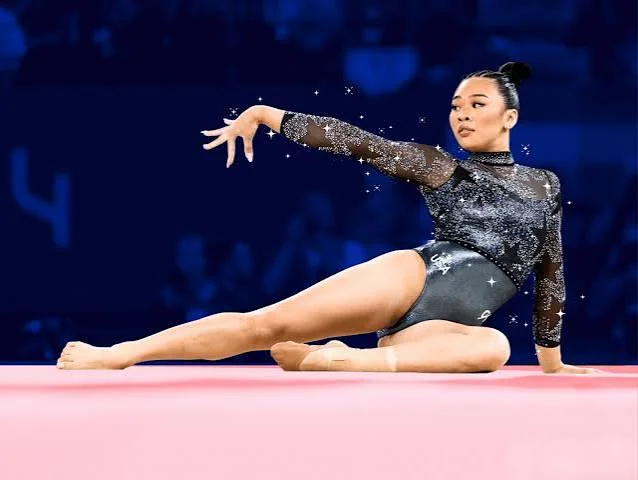
When an athlete steps onto the competition floor, the long sleeve leotard is the gold standard. The extended lines created by sleeves help to elongate the appearance of the arms, making every movement look more graceful and deliberate. In a sport where judges look for perfect lines and extensions, the visual impact of a long sleeve garment cannot be overstated.
Beyond aesthetics, long sleeves provide a layer of protection. They offer a slight barrier against friction burns on the arms when performing release moves on the uneven bars. Furthermore, the compression provided by a full sleeve can help keep the muscles warm during the long waiting periods between rotations. When searching for the best gymnastic leotards for every discipline Elite Gymnastics offers designs that incorporate ergonomic seaming to ensure the sleeves do not pull at the neckline when the arms are raised overhead.
Specialized Requirements for Rhythmic Gymnastics and Acro
Rhythmic gymnastics and Acrobatic gymnastics have vastly different requirements compared to Artistic gymnastics. In Rhythmic gymnastics, the leotard often includes a small attached skirt. The design is much more theatrical, featuring intricate beadwork, crystals, and hand painted patterns. Because Rhythmic gymnasts use apparatus like ribbons and hoops, the leotard must be perfectly smooth to avoid catching the equipment.
1. Rhythmic Skirts: These must be short enough to not interfere with leg movements but long enough to follow the rhythmic flow of the routine.
2. Acrobatic Synchronization: In Acro, partners must have matching or highly complementary leotards. The fabric must be exceptionally durable because of the constant gripping and lifting between partners.
3. Trampoline and Tumbling: These athletes often prefer sleek, aerodynamic designs that minimize drag and provide maximum visibility of the body’s position in the air.
Choosing the Right Fit for Growth and Movement
A poorly fitting leotard is not just a distraction; it can be a safety hazard. A leotard that is too loose can catch on the equipment, while one that is too tight can restrict breathing and limit the height of jumps. When measuring a gymnast, the most important dimension is the torso girth. This is measured by taking a tape measure from the shoulder, down through the crotch, and back up to the same shoulder.
1. Girth Measurement: This determines the vertical fit of the garment and prevents the neckline from sagging or the leg holes from riding up.
2. Chest and Waist: These measurements ensure the garment sits flush against the skin without bagging at the small of the back.
3. Growth Room: While it is tempting to buy a size up for growing children, gymnastics clothing must fit snugly. Excess fabric can lead to slips during spotting. Elite Gymnastics suggests looking for high recovery fabrics that stretch with the athlete while maintaining their original shape.
Aesthetics and Psychology in High Stakes Performance
The psychological impact of a competition leotard is significant. When a gymnast feels they look professional and powerful, their confidence on the floor increases. This is why many national teams spend months designing their Olympic kits. The use of crystals, often applied in intricate patterns, helps to highlight the athlete’s movements and draw the judges’ eyes to their form.
Color theory also plays a role. Darker colors like navy and forest green can provide a slimming effect and a sense of grounded power, while bright neons and pastels convey energy and youthfulness. Many clubs choose a specific color palette to create a sense of unity and team spirit. The craftsmanship found at Elite Gymnastics ensures that these aesthetic elements do not compromise the structural integrity of the garment, allowing the athlete to focus entirely on their performance.
Maintenance and Care for Professional Grade Apparel
High quality leotards are a significant investment, and proper care is essential to maintain their elasticity and shine. The harsh chemicals in laundry detergents and the high heat of dryers can destroy the delicate foils and elastic fibers used in performance wear.
1. Hand Washing: Always wash leotards by hand in cold water using a mild pH neutral soap.
2. Avoid Soaking: Do not leave leotards to soak, as this can cause colors to bleed, especially in designs with contrasting light and dark panels.
3. Drying: Never wring out a leotard. Instead, lay it flat on a clean towel and roll the towel to remove excess moisture, then hang it to air dry away from direct sunlight.
4. Friction Awareness: Be mindful of rough surfaces. Sitting on concrete or velcro can cause immediate pilling or snagging on the delicate outer finish of the fabric.
Selecting the Perfect Garment for Your Career Stage
As a gymnast progresses from a recreational level to competitive excellence, their wardrobe needs will evolve. A beginner may only need two or three basic tank leotards for weekly classes. However, a competitive athlete will require a rotation of training leotards, a team warm up suit, and a highly specialized competition leotard.
The journey from a novice to a seasoned performer is marked by the transition from simple cotton blends to complex, crystal encrusted masterpieces. By understanding the functional differences between sleeveless and long sleeve options, and recognizing the specific needs of each discipline, athletes can ensure they are always prepared for the challenges of the gym. Choosing the right gear is an essential step in the pursuit of athletic perfection, providing the comfort, safety, and confidence needed to soar.