Things to Do in Great Yarmouth: Seaside Fun, History and Family Days Out
Great Yarmouth is one of Britain’s classic seaside towns, a place where the smell of fish and chips mixes with the sound of the fairground, and the list of things to do in Great Yarmouth is long enough to fill a whole family holiday without ever leaving the town. The Norfolk resort has been welcoming holidaymakers for more than two hundred years, and it still does the traditional British seaside brilliantly, with a long sandy beach, two piers, a pleasure beach, a circus, museums and a historic old town that most visitors never discover. It is a town that rewards a proper look, because behind the arcades and the candy floss there is a fascinating history as a fishing port and a wealth of attractions for all ages.
What makes the things to do in Great Yarmouth so appealing is the sheer variety, because you can spend a morning on the beach, an afternoon at a museum, an evening at the circus and the next day out on the Norfolk Broads, all from the same base. The town suits families best, but couples and older visitors will find plenty to enjoy too, from the quieter charms of Gorleston-on-Sea to the historic quays and the beautiful gardens. This guide covers the essential attractions, the beach and the seafront, the history, the food and the practical tips that make a Great Yarmouth trip better.
The Beach, the Golden Mile and the Seafront
The beach is the heart of any Great Yarmouth holiday, and it is one of the best in East Anglia, a long stretch of golden sand that runs for miles along the coast, with plenty of space even on the busiest summer days. The main beach, known as the Golden Mile, sits in front of the seafront attractions and is lined with cafes, ice cream parlours, amusement arcades and donkey rides, and it is the classic British seaside in all its cheerful glory. Families love it because the sand is soft, the sea shelves gently, and there is always something happening, from sandcastle competitions to the smell of doughnuts drifting from the stalls.
The seafront itself is a walk worth taking, because it runs from the Pleasure Beach in the south to the Britannia Pier in the north, passing the Winter Gardens, the model village and the Sea Life centre on the way. The promenade is flat and easy to walk, and it is a good place for an evening stroll when the lights come on and the arcades are buzzing. For a quieter beach, head south to Gorleston-on-Sea, Great Yarmouth’s gentler neighbour, where the sand is just as good but the crowds are thinner, and the cliff-top gardens offer a lovely view back towards the town.
Britannia Pier, the Pleasure Beach and Family Fun
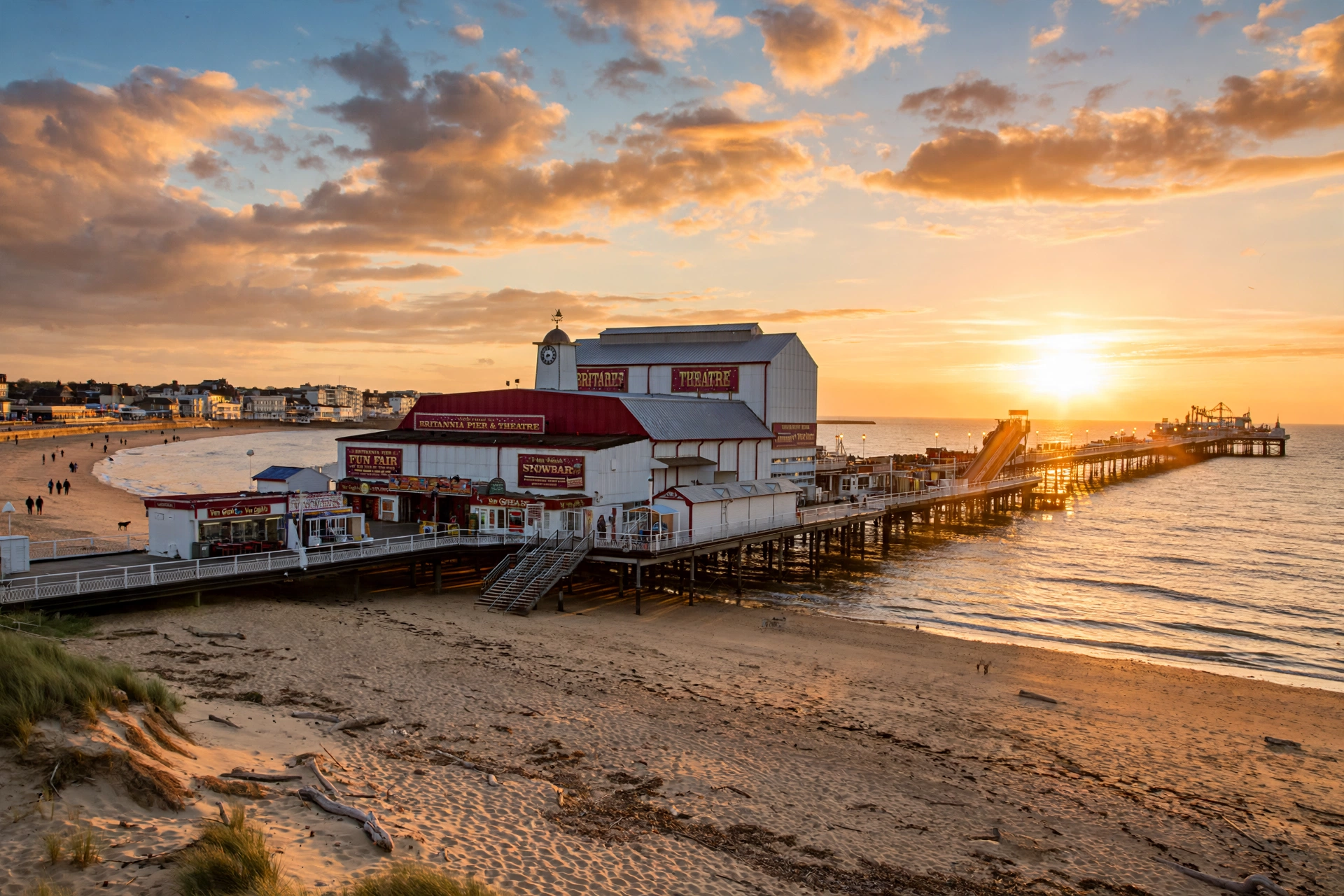
Britannia Pier is one of the most famous things to do in Great Yarmouth, and it has been entertaining visitors since it opened in 1858. The pier stretches out into the North Sea and holds an amusement arcade, a bowling alley, cafes and a theatre that hosts shows through the summer, and walking to the end of it, with the wind in your face and the town behind you, is one of the great seaside pleasures. The pier has been rebuilt and refurbished several times over the years, most recently after storm damage, and it remains the centrepiece of the seafront.
Just along the seafront sits the Pleasure Beach, Great Yarmouth’s fairground, which has been thrilling visitors for generations with its rollercoasters, log flume, ghost train and family rides. It is the biggest attraction of its kind in the region, and it suits everyone from toddlers on the gentle rides to teenagers on the big coasters. Nearby, the Hippodrome Circus, one of Britain’s last surviving purpose-built circuses, puts on a summer show that mixes traditional circus acts with water spectaculars, and it is a unique experience that you will not find anywhere else in the country. Together, the pier, the Pleasure Beach and the Hippodrome make Great Yarmouth one of the best family seaside towns in Britain.
Time and Tide, the Old Town and Maritime History
Great Yarmouth has a history that goes far beyond the seaside, because it was once one of the most important fishing ports in England, and the Time and Tide Museum tells that story brilliantly. Housed in a former herring curing works on Blackfriars Road, the museum covers the town’s maritime past, from the herring fishing that made it rich to the lives of the fishermen and the women who gutted and packed the catch, and it is one of the best museums in Norfolk. The displays are engaging and hands-on, and the museum gives you a real sense of what Great Yarmouth was like when the fishing fleet filled the harbour.
The old town, around the South Quay and the historic rows, is the other half of Great Yarmouth’s story, and it is worth exploring on foot. The rows are the narrow medieval lanes that once ran between the houses of the old town, and a few survive, including Row 111, which is now a museum. Great Yarmouth Minster, one of the largest parish churches in England, dominates the old town, and its history stretches back to the twelfth century, while the Nelson’s Monument on the South Denes, built to honour Admiral Lord Nelson, offers a reminder of the town’s naval connections. The Elizabethan House Museum, on the South Quay, shows how a wealthy merchant’s family lived in the sixteenth century, and it is a quiet, fascinating contrast to the bustle of the seafront.
Sea Life, the Model Village and Quieter Attractions
The Sea Life Centre on the seafront is one of the most popular things to do in Great Yarmouth for families, with its ocean tunnel, its penguins, its seals and its daily talks and feeding sessions. It is a good wet-weather option, and it works well for younger children, who can get close to the sea creatures and learn about marine conservation. The centre also rescues and rehabilitates seals, and its work with injured animals is a reminder that the Norfolk coast is a living, working environment, not just a holiday backdrop.
Merrivale Model Village, also on the seafront, is a charming throwback, a miniature village with tiny houses, gardens, a railway and a model of the town itself, and it has been delighting visitors since the 1960s. It is small, gentle and old-fashioned, and children love it, but it is also a reminder of a slower kind of seaside holiday. For a different kind of quiet, the Winter Gardens, a grand Victorian glasshouse on the seafront, is being restored to its former glory, and the Venetian Waterways in the south of the town, a series of ornamental canals and gardens built in the 1920s, are a lovely place for a peaceful walk away from the crowds.
Food, Markets and the Great Yarmouth Taste
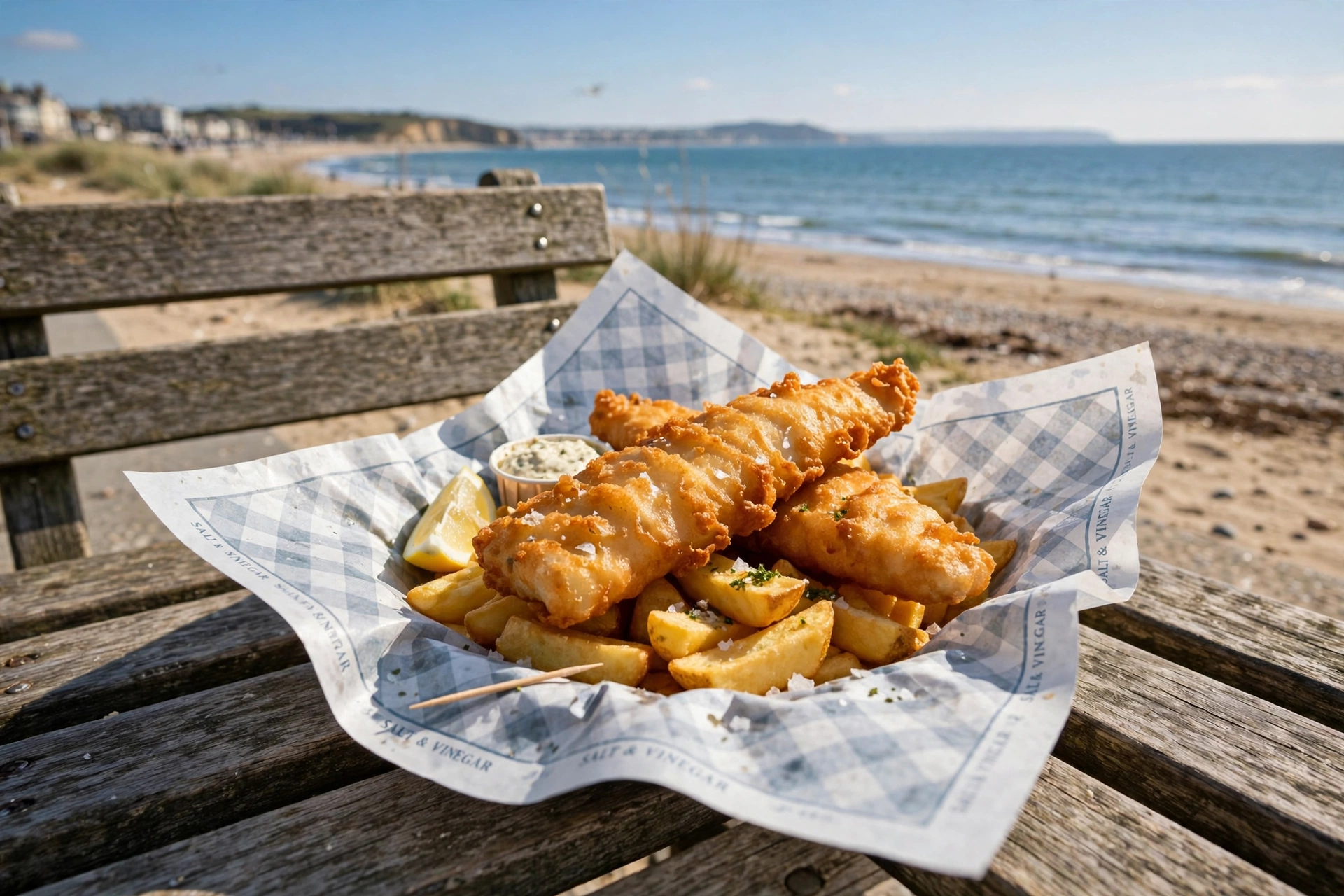
Food is one of the great pleasures of a Great Yarmouth holiday, and the town does traditional seaside eating very well. Fish and chips is the obvious choice, and there are excellent chippies along the seafront and in the town centre, many of them using fish landed locally, while the market place, one of the largest in England, has stalls selling everything from fresh fish to local produce. The town is also famous for its Yarmouth bloaters, a traditional smoked herring, although they are harder to find than they once were, and the smoked fish shops around the old town are worth seeking out.
The market itself, which has been running for centuries, is one of the best things to do in Great Yarmouth on a weekday, because it gives you a sense of the town as a working place rather than just a resort. The stalls sell clothes, household goods, plants and food, and the surrounding streets have independent shops, cafes and bakeries that are worth exploring. In the evening, the seafront restaurants and the pubs of the old town offer everything from seafood to pub classics, and the town’s nightlife, centred on the seafront bars and the Hippodrome, is lively in summer without being overwhelming.
Day Trips from Great Yarmouth
One of the best things to do in Great Yarmouth is to use it as a base for exploring the Norfolk Broads, the network of rivers and lakes that lies just inland from the town. The Broads are a National Park, and you can hire a day boat from Wroxham or Potter Heigham, take a boat trip from the town itself, or simply walk the riverside paths and watch the wildlife. The Broads are a world away from the seaside, all reeds, water and big skies, and they are one of the most beautiful parts of England, especially in the early morning or at sunset.
Other day trips are easy from Great Yarmouth, because the town sits on the edge of some of Norfolk’s best countryside and coast. Norwich, about forty minutes away by train or car, is one of England’s finest historic cities, with its cathedral, castle, medieval lanes and excellent shopping, and it makes a superb day out. The north Norfolk coast, with its wide beaches at Winterton and Horsey, where grey seals gather in winter, is also within easy reach, and the village of Burgh Castle, with its Roman fort, is a short drive away. Great Yarmouth’s position makes it an ideal base for a longer Norfolk holiday, not just a seaside break.
The Best Time to Visit and Practical Tips
The best time to visit Great Yarmouth depends on what you want from your trip, because the town changes with the seasons. Summer, from June to August, is the busiest and liveliest time, with all the attractions open, the beach at its best and the town buzzing, although it is also the most expensive and the most crowded. Spring and autumn are quieter and cheaper, with mild weather and the town still very much open for business, while winter is the quietest season, when many seafront attractions close but the town’s history and the Broads are still there to enjoy. For the best balance of weather and crowds, late May, June and September are often the sweet spot.
Getting to Great Yarmouth is straightforward, because the town has a railway station with direct trains to Norwich, where you can connect to London and the rest of the country, and it is easily reached by car from the A47 and the A143. Once you are there, the seafront and the town centre are flat and easy to walk, and there are buses to Gorleston and the surrounding villages. Parking is available along the seafront and in the town centre car parks, although it fills up quickly on sunny summer days, so arrive early if you are driving. The town’s official tourism site, Visit Great Yarmouth, has up-to-date information on events, opening times and accommodation: Visit Great Yarmouth
What is Great Yarmouth famous for?
Great Yarmouth is famous as one of Britain’s classic seaside resorts, known for its long sandy beach, its two piers, the Pleasure Beach fairground and the Hippodrome Circus. It is also famous for its history as a major herring fishing port, its medieval old town and its position on the edge of the Norfolk Broads, which makes it a good base for exploring the region.
How many days do you need in Great Yarmouth?
Two or three days is enough for the main things to do in Great Yarmouth, with one day for the beach and seafront attractions, one day for the museums and old town, and a third day for a trip to the Norfolk Broads or Norwich. A week lets you slow down properly and explore the wider Norfolk coast and countryside, and many families return year after year for a full summer holiday.
Is Great Yarmouth beach safe for swimming?
Great Yarmouth beach is generally safe for swimming, with lifeguards on duty during the summer season and a gently shelving sandy seabed. As with any beach, visitors should swim between the flags, keep an eye on children, and check the local tide times and safety notices, because the North Sea can be cold and the currents can be strong, especially away from the lifeguarded areas.
What is there to do in Great Yarmouth when it rains?
Great Yarmouth has plenty of wet-weather options, including the Time and Tide Museum, the Sea Life Centre, the Elizabethan House Museum, the Hippodrome Circus and the arcades on Britannia Pier. The town centre also has shops, cafes and the market, and Norwich is only forty minutes away by train if you want a full day under cover.
Is Great Yarmouth good for families?
Yes, Great Yarmouth is one of the best family seaside towns in Britain, with a long sandy beach, the Pleasure Beach fairground, the Hippodrome Circus, the Sea Life Centre, the model village and plenty of family-friendly places to eat and stay. The town is flat and easy to walk with children, and there are holiday parks and family hotels all along the seafront.
Where is the best place to stay in Great Yarmouth?
The best place to stay depends on your trip. The seafront is best for families who want to be close to the beach and the attractions, Gorleston-on-Sea is quieter and better for couples and older visitors, and the holiday parks on the edge of town suit families who want self-catering and on-site entertainment. The town centre is convenient for the station and the market, and there are hotels and guest houses across the town to suit every budget.
Conclusion
Great Yarmouth is a town that does the traditional British seaside as well as anywhere in the country, and the things to do in Great Yarmouth range from the thrill of the Pleasure Beach and the charm of the Hippodrome to the history of the Time and Tide Museum and the quiet beauty of the Norfolk Broads. It is a town that suits families best, but it has something for everyone, and it rewards visitors who look beyond the seafront to the old town, the markets and the countryside around it. Whether you come for a weekend or a full summer holiday, Great Yarmouth is a place that stays with you, and it is one of the great seaside towns of England.
For more on the world of sport, read our guide to the rules and positions of the game here: Rugby Positions