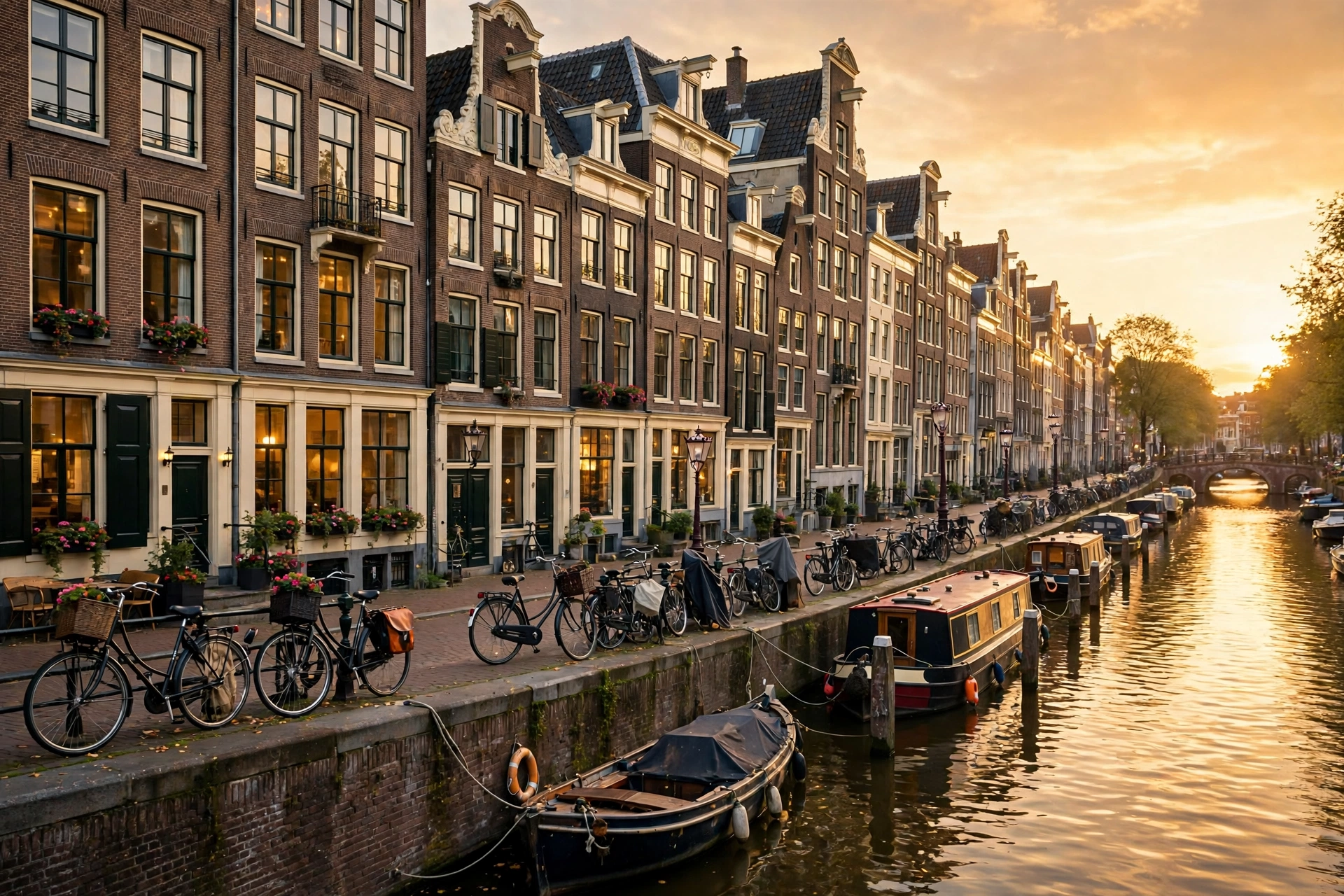
Amsterdam Holidays: How to Plan the Perfect Trip to the Dutch Capital
Amsterdam holidays are among the most popular city breaks in Europe, and it is easy to see why, because the Dutch capital offers a rare combination of world-class culture, beautiful canals, relaxed cycling, great food and a compact centre that you can explore without ever needing a car. Whether you are planning a romantic weekend, a family holiday, a trip with friends or a solo break, Amsterdam has something for every kind of traveller, and it is a city that rewards a little planning, because the best hotels, the most popular museums and the cheapest flights all go quickly. This guide covers everything you need to plan Amsterdam holidays properly, from when to go and where to stay to how much it costs and what to pack.
The key to a good Amsterdam holiday is knowing what kind of trip you want before you book, because the city changes with the seasons and with your travelling companions. A spring holiday built around tulips and the Keukenhof gardens is a very different trip from a winter break built around Christmas markets and the Amsterdam Light Festival, and a family holiday needs different planning from a couples’ weekend. The advice below will help you choose the right time, the right area and the right pace, so that your Amsterdam holiday feels like yours rather than a generic city break.
The Best Time to Go on Amsterdam Holidays
Choosing when to go is the first decision for any Amsterdam holiday, and each season has its own character. Spring, from April to May, is the most popular time, because the tulips are in bloom, the days are getting longer and the weather is mild, although it is also the busiest and most expensive season, and you should book hotels and flights well in advance. The Keukenhof gardens, open roughly from late March to mid-May, are the highlight of a spring holiday, and they draw visitors from all over the world, so buy tickets early if they are on your list.
Summer, from June to August, brings warm weather, long evenings and a lively atmosphere, with festivals, open-air concerts and busy terraces along the canals, but it also brings the biggest crowds and the highest prices. Autumn, from September to November, is often the best value, with mild weather, golden parks and far fewer tourists, and many regular visitors say it is their favourite time to go. Winter, from December to February, is the cheapest and quietest season, with Christmas markets, ice rinks and the Amsterdam Light Festival brightening the dark evenings, although the weather is cold and wet, so pack accordingly. For the best balance of weather, crowds and price, late May, June and September are usually the sweet spot for Amsterdam holidays.
Stay Length and Planning Your Days
Most Amsterdam holidays work best at three or four days, which gives you enough time for the main museums, a canal cruise, the neighbourhoods and a day trip without feeling rushed. Two days is enough for the highlights if you plan carefully and book the Anne Frank House and the Van Gogh Museum in advance, while a week lets you slow down properly, explore the eastern districts, take a day trip to the coast or the countryside, and enjoy the city like a local. Whatever length you choose, it helps to plan your days by neighbourhood, because Amsterdam’s centre is compact and you will waste less time travelling if you explore one area at a time.
A good structure for a three-day Amsterdam holiday is to spend the first day on the canals and the Museumplein museums, the second day in the Jordaan and the Nine Streets with a canal cruise in the evening, and the third day on markets, parks and a day trip to Zaanse Schans or Haarlem. Book the big tickets before you travel, because the Anne Frank House sells out weeks ahead and the Van Gogh Museum regularly sells out too, and check the I amsterdam tourism site for up-to-date opening times and events: I amsterdam
The Best Places to Stay in Amsterdam
Where you stay shapes your Amsterdam holiday more than almost anything else, and the city offers everything from luxury canal-house hotels to budget hostels and family apartments. The Canal Ring and the Jordaan are the most atmospheric areas to stay, putting you within walking distance of the main sights, the best restaurants and the prettiest streets, although they are also the most expensive. De Pijp, south of the centre, is livelier and better for food and nightlife, and it suits younger travellers and couples, while Museumplein is a good choice for museum lovers and families who want a quieter base.
If you are travelling on a budget, consider staying just outside the centre, for example in Amsterdam Noord, across the river from Centraal Station, where hotels and apartments are cheaper and the free ferry takes you across in a few minutes. The area around the station itself is convenient for transport but busy and noisy, and it is not the best choice for a relaxing holiday. Whatever area you choose, book early for spring and summer, because the best places fill up months ahead, and check whether your hotel includes breakfast, because eating out for every meal adds up quickly in Amsterdam.
Getting There and Getting Around
Getting to Amsterdam is easy, because Schiphol Airport is one of the busiest in Europe, with direct flights from most British and European cities, and the train from the airport to Centraal Station takes about twenty minutes. You can also reach Amsterdam by Eurostar from London, which takes around four hours and arrives in the city centre, and by ferry and coach if you prefer a slower journey. Once you arrive, the city centre is compact enough to walk, and walking is often the best way to see it, because the canals and the narrow streets are full of details you miss from a vehicle.
Public transport in Amsterdam is efficient and easy, with trams, buses and the metro run by GVB, and a multi-day travel pass is good value for most visitors. Cycling is the other great way to get around, because the city is flat and has dedicated cycle lanes almost everywhere, and hiring a bike for a day is one of the most enjoyable parts of an Amsterdam holiday if you are a confident rider. Be careful, though, because Amsterdam’s cyclists ride fast and expect you to know the rules, so stay in the cycle lanes and signal before turning. Taxis and ride-hailing are available but expensive, and you will rarely need them in the centre.
The Cost of Amsterdam Holidays
Amsterdam holidays are not cheap, and it is worth budgeting honestly before you book, because the city is one of the more expensive in Europe. A mid-range hotel in the centre typically costs between 150 and 250 euros a night, while a budget hotel or hostel can be found for 80 to 120 euros, and a good apartment for a family can be better value than two hotel rooms. Flights from the UK are often available for under 100 pounds return if you book early, although prices rise sharply in spring and summer, and the Eurostar is a good alternative if you book in advance.
Day-to-day costs add up, because a meal in a mid-range restaurant costs around 20 to 30 euros per person, a canal cruise costs around 15 to 20 euros, and the main museums charge around 25 euros for adults, although children under eighteen get into the Rijksmuseum free. A realistic daily budget for a couple, excluding accommodation, is around 100 to 150 euros, covering food, transport and one or two paid attractions, while families should budget more. The I amsterdam City Card can save money if you plan to visit several museums and use public transport a lot, but work out whether it pays for itself before you buy it.
Amsterdam Holidays for Families
Amsterdam is a surprisingly good city for family holidays, because it is safe, compact and full of attractions that children enjoy. The NEMO Science Museum is the top family attraction, with hands-on exhibits across five floors and a free rooftop terrace with a panoramic view, and the Artis Zoo, one of the oldest zoos in Europe, is a full day out in itself. The canals are a hit with children, especially an open boat cruise in summer, and Vondelpark is perfect for picnics, playgrounds and hiring bikes with child seats.
Families should look for apartments or aparthotels rather than hotel rooms, because the extra space and kitchen make a big difference, and the Jordaan and De Pijp are good areas for families, with parks, markets and family-friendly restaurants. The city is also easy to navigate with a pushchair on the main streets, although the narrow canal bridges and cobbles can be tricky, so a light, sturdy pushchair is best. Eating out with children is straightforward, because most restaurants welcome families and many offer children’s menus, and the pancake houses, which serve Dutch pancakes with sweet and savoury toppings, are a favourite with younger visitors.
Amsterdam Holidays for Couples and Groups
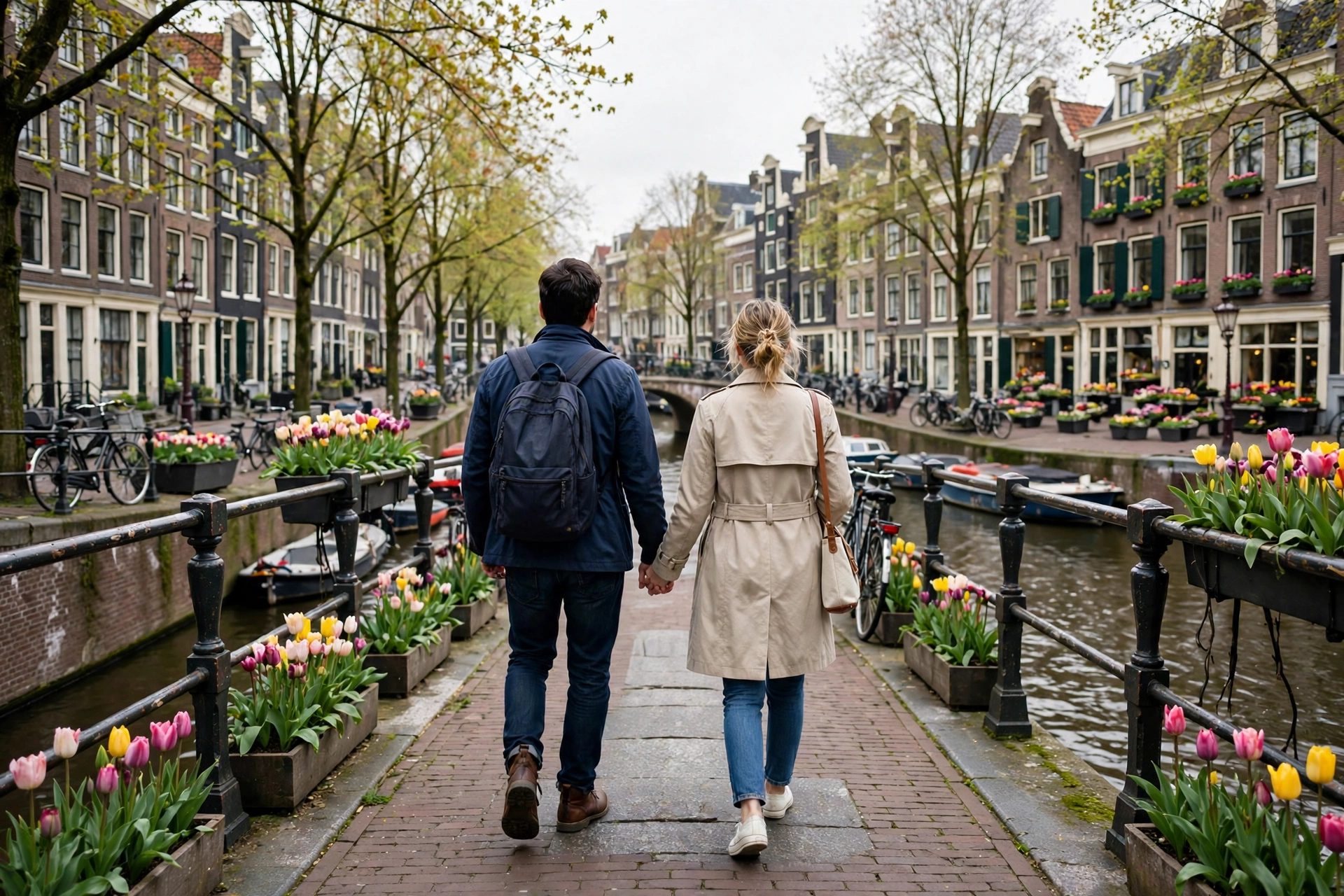
For couples, Amsterdam holidays are at their most romantic in the evenings, when the canals are lit up and the city feels quieter and more intimate. A candlelit canal dinner cruise, a walk through the Jordaan at dusk, and dinner in a small restaurant on one of the quieter canals are the classic ingredients of a romantic Amsterdam break, and the city has no shortage of boutique hotels in converted canal houses that suit couples. Spring and autumn are the best seasons for a couples’ holiday, because the weather is good and the crowds are thinner than in summer.
Groups of friends will find Amsterdam easy to enjoy together, because the city has a huge range of bars, restaurants and activities, from canal boat hire to food tours and bike rides, and the compact centre means nobody gets lost. The city is also a popular choice for special occasions, such as birthdays and hen and stag weekends, although it is worth remembering that Amsterdam has cracked down on rowdy behaviour in the centre, and the Red Light District in particular is not the place for a loud group night out. Booking an apartment for a group is usually better value than several hotel rooms, and it gives you a shared base for the trip.
Packing and Practical Tips
Packing for Amsterdam holidays is straightforward, but a few things make a real difference. Bring comfortable walking shoes, because you will walk further than you expect on cobbled streets, and bring a waterproof jacket whatever the season, because Amsterdam’s weather changes quickly and rain is possible at any time of year. Layers are the answer, because spring and autumn days can be warm in the sun and cold in the shade, and a light scarf is useful for evenings on the water. If you plan to cycle, bring gloves in the colder months, and if you plan to visit churches and museums, dress respectably.
A few practical tips will make your Amsterdam holiday smoother. The Netherlands is largely cashless, so bring a bank card that works abroad and does not charge high fees, although it is worth carrying a little cash for markets and small cafes. English is spoken widely, so language is rarely a problem, and the tap water is safe to drink. Finally, remember that Amsterdam is a living city, not a theme park, so be respectful of residents, keep noise down in residential streets at night, and never photograph people in the Red Light District, where it is banned and disrespectful.
How much does a 3 day trip to Amsterdam cost?
A three-day Amsterdam holiday for two people typically costs between 800 and 1,500 pounds in total, depending on when you travel and where you stay. Flights or Eurostar are often 100 to 200 pounds per person return if booked early, a mid-range hotel costs 150 to 250 euros a night, and daily spending on food, transport and attractions is around 100 to 150 euros for two. Booking early, travelling in autumn or winter, and staying just outside the centre are the best ways to bring the cost down.
Is Amsterdam good for a holiday with kids?
Yes, Amsterdam is a good city for a family holiday, because it is safe, compact and full of attractions that children enjoy, including the NEMO Science Museum, Artis Zoo, canal cruises and Vondelpark. Families should book an apartment rather than a hotel room for the extra space, and the Jordaan and De Pijp are good areas to stay. The city is easy to navigate with children, although the narrow bridges and cobbles mean a light pushchair is best.
What is the best month to visit Amsterdam?
The best month depends on what you want. April is the best month for tulips and the Keukenhof gardens, June and September offer the best balance of weather and crowds, and December is the best month for Christmas markets and the Amsterdam Light Festival. For the best overall experience, many regular visitors choose late May or June, when the days are long, the weather is warm and the spring crowds have thinned.
Do I need a visa to visit Amsterdam from the UK?
British citizens do not need a visa to visit Amsterdam or the Netherlands for a holiday of up to ninety days in any 180-day period, but you do need a passport valid for at least three months after your planned departure date. Since Brexit, British visitors go through passport control on arrival, and you may be asked to show proof of accommodation and return travel, so keep your booking confirmations handy.
Is Amsterdam expensive for tourists?
Amsterdam is one of the more expensive cities in Europe, but it is possible to enjoy it on a moderate budget. A mid-range hotel costs 150 to 250 euros a night, meals cost 20 to 30 euros per person in a mid-range restaurant, and the main museums charge around 25 euros. Walking, cycling and the parks are free, and many visitors save money by booking flights and hotels early, travelling outside peak season, and using a city card for museums and transport.
Can you do Amsterdam in 2 days?
Yes, you can see the highlights of Amsterdam in two days if you plan carefully, with one day for the canals and Museumplein and one day for the Jordaan, the markets and a canal cruise. You must book the Anne Frank House and the Van Gogh Museum in advance, because both sell out, and you should group sights by area to save time. Two days is enough for a first taste, but three or four days is better if you want to relax and enjoy the city properly.
Conclusion
Amsterdam holidays work best when you plan the essentials and leave room for the unexpected, because the city rewards both kinds of traveller, the one who books the big museums in advance and the one who wanders the Jordaan and stumbles on a perfect canal-side cafe. Choose the right season for your trip, book your hotel and tickets early, budget honestly, and leave space in your days for the simple pleasures that make Amsterdam special. Whether you come for the tulips, the art, the canals or simply a break from everyday life, the Dutch capital is a city that gives back more than you put in, and it is one that most visitors want to return to.
For more on the world of sport, read our guide to the rules and positions of the game here: Rugby Positions