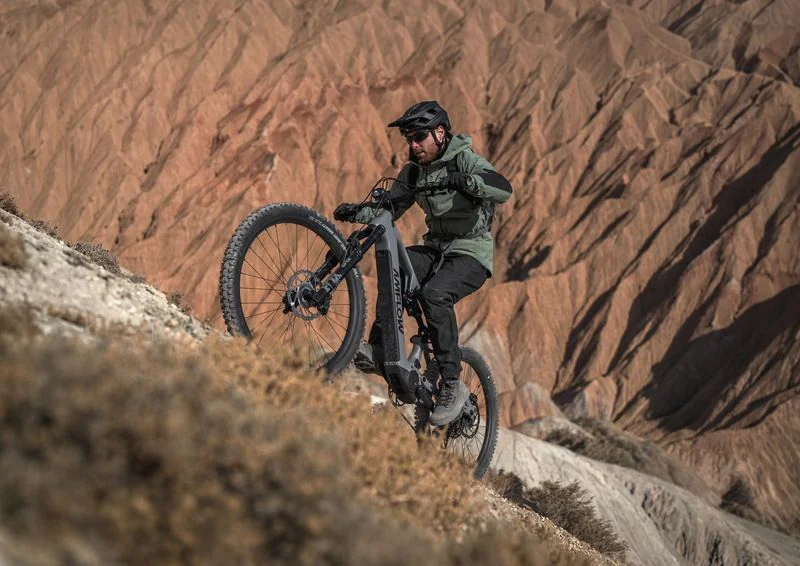
A $5,000 budget can buy a full-suspension electric mountain bike with a capable mid-drive motor, a large battery, and components built for trail riding. The challenge is deciding where that money makes the biggest difference: frame construction, suspension, drivetrain, or support after the sale.
Three bikes worth comparing are the AMFLOW PR Carbon, Aventon Current ADV, and Giant Stance E+ 1. Each meets the price limit in its listed US configuration, but each offers a different mix of features for the money.
The AMFLOW stands out for its carbon frame and electronic shifting. The Aventon leaves the most room in the budget. The Giant is worth considering if you prefer a purchase that includes assembly and basic setup through a local retailer.
Which Full-Suspension Electric Mountain Bikes Are Worth Considering Under $5,000?
Start with the exact build and its listed US price. A model name alone does not tell you which motor, battery, or suspension components you are getting.
| Bike | Listed US price* | Frame | Motor | Battery | Main reason to consider it |
| AMFLOW PR Carbon | $4,999 | Carbon | Avinox M2 | 800 Wh, removable | Carbon frame and electronic shifting within the budget |
| Aventon Current ADV | $3,999 | Aluminum | Aventon Ultro X | 800 Wh | Lowest listed price in this comparison |
| Giant Stance E+ 1 | $4,500 | Aluminum | Giant SyncDrive Pro 3X | 800 Wh | Retailer assembly and basic fit through Giant’s online purchasing program |
Prices checked November 3, 2026, before sales tax, shipping, and any applicable dealer fees. Pricing and size availability can change. This is a buying guide for shoppers in 2026, not a list restricted to 2026 model-year bikes; Giant identifies the Stance E+ 1 shown here as a 2027 model.
How These Bikes Were Selected
This shortlist focuses on new, full-suspension electric mountain bikes listed on manufacturers’ US websites for less than $5,000. Used bikes, hardtails, and one-off clearance listings are outside its scope.
The recommendations are based on published specifications, price, and purchasing arrangements. They are not results from a head-to-head trail test. Comparing handling, suspension feel, motor noise, and real-world range requires testing the bikes under comparable conditions.
The goal is to identify useful options for different buyers rather than name a universal winner from a spec sheet.
AMFLOW PR Carbon: A Strong Option for Riders Who Want Carbon and Electronic Shifting
At $4,999, the AMFLOW PR Carbon sits just below the price ceiling. Its configuration combines a carbon frame, an Avinox M2 motor, and a removable 800 Wh battery.
The suspension includes a FOX AWL HD Sport fork with 160 mm of travel and a FOX Float Rhythm rear shock. An electronic SRAM S1000 Eagle Transmission rear derailleur and SRAM AXS Pod controller handle shifting.
For riders exploring the AMFLOW eMTB lineup, the distinction between the PR Carbon and PR Carbon Pro matters. This standard build uses the M2 motor and a 168 W charger. The M2S motor and 508 W fast charger are features of the PR Carbon Pro, not the standard PR Carbon.
Why consider it: It brings a carbon frame, electronic shifting, and a removable battery together at this price.
What to weigh: A $4,999 sticker price leaves essentially no room under a strict $5,000 total budget. Confirm fit, local service options, availability, and checkout costs before committing.
Aventon Current ADV: The Lowest-Priced Option in This Shortlist
The Aventon Current ADV is listed at $3,999, making it $1,000 less than the AMFLOW. It uses a 6061 aluminum frame, Aventon’s Ultro X motor, and an 800 Wh battery.
Its build includes a 150 mm RockShox Psylo Gold fork, a RockShox Deluxe Select+ rear shock, SRAM Eagle 70 Transmission shifting, and SRAM DB8 Stealth brakes.
The lower price is its clearest advantage here. That remaining budget can help cover sales tax, riding gear, suspension setup, and maintenance.
Why consider it: It offers a substantial component package while keeping the bike price well below the limit.
What to weigh: The ADV is a different build from the Current EXP. Do not assume the EXP’s carbon front triangle or electronic SRAM S1000 derailleur is included. Aventon also lists the ADV at 56 pounds in size medium without pedals, so handling it on stairs or loading it onto a rack deserves consideration.
Giant Stance E+ 1: Worth a Look for In-Store Pickup and Setup
The Giant Stance E+ 1 is listed at $4,500. The US build considered here pairs an aluminum frame with a SyncDrive Pro 3X motor and an 800 Wh EnergyPak battery.
It has a 150 mm Giant STL 36 Air fork, 140 mm of rear suspension travel, and a Shimano Cues LinkGlide 10-speed drivetrain.
Its purchasing process is another reason to consider it. Giant states that bikes bought through its US online program are fulfilled through authorized retailers, with professional assembly and a basic fit included. That can be useful if you want help getting the bike ready before the first ride.
Why consider it: It combines a trail-oriented build with in-store pickup and setup.
What to weigh: Giant lists this version as a 2027 model. Older Stance E+ bikes can have different motors, batteries, and suspension, so match the exact generation before comparing offers.
What Matters Most When Buying an Electric Mountain Bike Under $5,000?
Suspension Quality and Setup
Travel is useful, but it is not a complete measure of suspension performance. A fork with more travel is not automatically better for your trails, and the rear shock’s dimensions are not the same as rear-wheel travel.
Look at the actual fork and shock models, available adjustments, and the bike’s intended use. Then set air pressure and rebound for your weight. A poorly adjusted bike can feel harsh or unsettled regardless of how good its parts look on paper.
For a first full-suspension electric mountain bike, help with initial setup can be more valuable than a small upgrade elsewhere.
Motor Control, Not Just Maximum Output
Motor torque does not tell the whole story. On a loose climb or a tight uphill switchback, predictable assistance and rear-tire traction matter as much as maximum output.
Published figures may also refer to different operating modes. A temporary boost setting should not be treated as identical to continuous assistance.
If you can test ride a bike, pay attention to how assistance starts, how it responds when you ease off the pedals, and how comfortably you can control speed in a low gear.
Battery Practicality
All three configurations in this comparison list an 800 Wh battery. That does not mean they will cover the same distance.
Climbing, rider weight, tires, temperature, and assistance settings affect consumption. A maximum mileage claim should not be treated as a promise for steep singletrack.
Also think about where you will charge. If your bike stays in a garage without an outlet, a battery designed for routine removal can make ownership easier. Check the removal procedure and the supplied charger rather than relying on battery capacity alone.
Fit, Brakes, and Service
A well-priced bike is still the wrong purchase if the frame does not fit. Check reach, standover clearance, and dropper-post adjustment instead of relying only on a small, medium, or large label.
For brakes, consider the complete system: calipers, rotors, pads, and access to replacement parts. For service, ask who can diagnose the motor and battery, handle warranty claims, and maintain the suspension.
These details may not headline a product page, but they affect how much time the bike spends on the trail.
Does “Under $5,000” Mean Under $5,000 at Checkout?
No. The prices in this guide are bike prices before sales tax and other applicable charges.
A bike listed at $4,999 will generally exceed a $5,000 all-in budget once sales tax applies. Shipping, dealer preparation, or accessories may increase the total further.
Before buying, request or review the complete price:
- Bike price for the exact size and build
- Applicable sales tax
- Shipping or pickup-related charges
- Any assembly or setup fees
- Gear and accessories you still need
If $5,000 is a firm total spending limit, leave room below it rather than shopping right up to the sticker-price ceiling.
Which Bike Fits Your Priorities?
| Your priority | Start by comparing | Main decision |
| Carbon frame and electronic shifting | AMFLOW PR Carbon | Whether those features are worth spending nearly your entire bike budget |
| Keeping more money available for ownership costs | Aventon Current ADV | Whether its fit, weight, and support options meet your needs |
| Professional assembly and in-store setup | Giant Stance E+ 1 | Whether a nearby participating retailer offers the help you want |
A test ride should settle questions a comparison table cannot. Check your position on the bike, braking control, slow-speed balance, and comfort operating the dropper post and assist controls.
Before choosing any electric mountain bike, also confirm access rules with the manager of the trails you plan to ride. A bike’s mountain-bike design does not establish permission to use every trail.
Frequently Asked Questions
Can You Get a Good Full-Suspension Electric Mountain Bike for Under $5,000?
Yes. The bikes in this comparison show that this budget can cover full suspension, a mid-drive motor, and a large battery. The best purchase depends on fit, intended use, and the complete ownership cost.
Is a Carbon Frame Better Than Aluminum at This Price?
Not automatically. Carbon is one part of the build. Suspension, brakes, wheels, geometry, and service support can matter more to your experience. Compare complete bikes rather than ranking them by frame material alone.
Is Electronic Shifting Necessary?
No. Electronic shifting can be appealing, but a properly adjusted mechanical drivetrain can work well for trail riding. It should be weighed against the other equipment and support available at the same price.
Should You Buy a Discounted Higher-End Model Instead?
It can be worth considering if the right size is available. Verify the model year, battery condition, warranty, exact components, and replacement-parts support. A large discount does not compensate for poor fit or an unsuitable bike.
Which Bike Should You Look at First?
Start with the AMFLOW PR Carbon if carbon construction and electronic shifting are priorities. Compare the Aventon Current ADV if keeping the purchase price lower matters most. Put the Giant Stance E+ 1 on your list if retailer assembly and initial setup are important to you. The right choice is the one that fits both your trails and your total budget.