A team that looks coordinated earns trust before anyone says a word. Landscapers, delivery crews, event staff, and field technicians all benefit from clothing that shows who they work for and keeps them comfortable while they do it.
The challenge is that work does not stop when the weather changes. A shirt that suits a warm afternoon will not help at six in the morning in January. That is why many businesses think of uniforms as a kit, not a single garment: a base layer for most days and an outer layer for the cold.
This guide explains how to plan such a kit, with a focus on two pieces that work well together: a polo shirt made to carry your branding, and an insulated jacket that keeps the team warm.
Start With the Branding Plan
Before choosing garments, decide how your brand will appear on them. That decision affects fabric, color, and even how many pieces you need.
Decide What Goes Where
A common approach is a small logo on the left chest and, if needed, a larger mark or name on the back. Sleeves can carry a secondary detail, such as a website or slogan. Keep the design simple. A clean logo in one or two colors usually looks sharper than a crowded graphic and tends to hold up better through repeated washing.
Match the Method to the Fabric
Different decoration methods suit different fabrics. Embroidery works well on thicker knits and gives a textured, durable finish. Screen printing and heat transfer can suit lighter, smoother fabrics. If you are unsure, ask your decorator which method they recommend for a given garment before you commit to a large quantity.
The Polo as a Print-Ready Base
A polo suits branding well. It has a clear chest area for a logo, a collar that adds polish, and a shape that looks tidy on most body types.
What Makes a Polo Good for Decoration
A good decoration surface is stable and even. Fabric that stretches unevenly or has a very loose knit can distort a design over time. Look for a consistent texture and a weight that feels substantial without being heavy. Color matters as well. Mid-tone and dark shades generally hide wear and small marks better than very light ones, while light colors can make a dark logo stand out sharply.
Sourcing the Garments
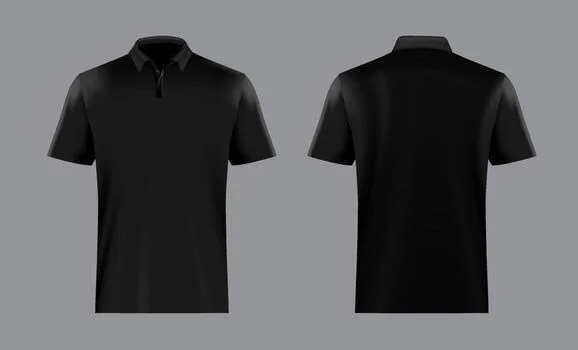
Many businesses prefer to source blank polos for printing and then add their own logo, since this gives full control over the design, placement, and decoration method. It also makes it easier to reorder later and keep the same look as the team grows.
Whichever route you take, request a sample and test it. Wash it a few times and check how the decoration holds up. Look for fading, cracking, or puckering around the logo. A small test now avoids a large disappointment later.
Sizing and Quantity
Plan for more than one polo per person. Staff need spares for laundry days, and new hires will arrive over time. Collect measurements from real team members rather than guessing, and allow for a spread of sizes rather than assuming everyone falls into two or three.
Adding the Cold-Weather Layer
Once the polo is settled, think about the weather. Cold mornings, outdoor shifts, and unheated spaces all call for something warmer.
Why Insulation Matters
Insulated jackets trap warmth using a filling between the outer shell and the lining. Compared with simple shell jackets, they hold heat much better, which matters for people who stand still or work outdoors for long stretches. The quality of insulation is not about thickness alone. A well-designed jacket balances warmth with freedom of movement, so staff can reach, bend, and carry without feeling restricted.
Choosing for the Team
When outfitting a group, a wholesale Insulated Jacket can help keep the whole team in matching outerwear without buying one piece at a time. It also helps keep color, fit, and finish consistent, which matters when the jackets are worn together on a job site or at an event.
Consider how the jacket will be used. Roles that involve a lot of movement may suit a lighter insulation level, while roles that involve standing outdoors may need more. Check the cuffs, hem, and collar, since these areas control how well the jacket keeps cold air out.
Branding the Jacket
Outerwear can carry a logo too, though the method may differ from the polo. Embroidery is a common choice for jackets, since it suits thicker fabrics. Placement on the chest or upper sleeve keeps the logo visible without interfering with zippers or pockets. Ask about decoration options for the specific jacket before ordering, as some insulated fabrics are more sensitive to heat or pressure than others.
Making the Layers Work Together
A kit only works if its parts fit together. Think about how the polo and jacket interact in practice.
Fit and Layering
The jacket should be roomy enough to wear comfortably over the polo, including any collar, without feeling tight at the shoulders. Try them together on a few people. If the jacket pulls across the back when someone reaches forward, consider sizing up.
Color Coordination
Choose colors that complement one another. A neutral jacket in black, navy, or charcoal pairs easily with polos in a range of shades. If your brand color appears on the polo, a quiet jacket color helps the logo stand out rather than compete.
Visibility and Safety
For roles that involve roads, warehouses, or low-light conditions, consider whether visibility is a factor. Brand colors are not always suitable for these situations, and some workplaces have specific requirements. Check your needs before settling on a design.
Care, Storage, and Replacement
A kit lasts longer when it is looked after, and clear guidance for the team makes a real difference.
Caring for Printed Polos
Wash polos inside out on a gentle cycle to protect the decoration, and avoid very high heat in the dryer. Iron on the reverse side if needed, and never directly over a printed area.
Caring for Insulated Jackets
Follow the label instructions, since insulation and shell fabrics vary. Zip the jacket before washing and let it dry fully so the filling does not clump. Store it on a hanger rather than crushed in a bag.
Keep a Reserve
Hold a small stock of common sizes so you can replace damaged pieces quickly. This keeps the team looking uniform and saves you from emergency reorders.
Conclusion: A Kit That Works Year-Round
A good branded kit is not complicated. It is a sensible base layer that carries your identity and an outer layer that keeps people comfortable when the temperature drops. Polos give you a clean surface for a logo and a polished look. An insulated jacket gives your team the warmth it needs to work in cold conditions.
The most important step is planning. Decide how your brand will appear, test the decoration method, check fit across real people, and keep a small reserve for replacements. With those pieces in place, your team will look consistent and feel comfortable in every season.