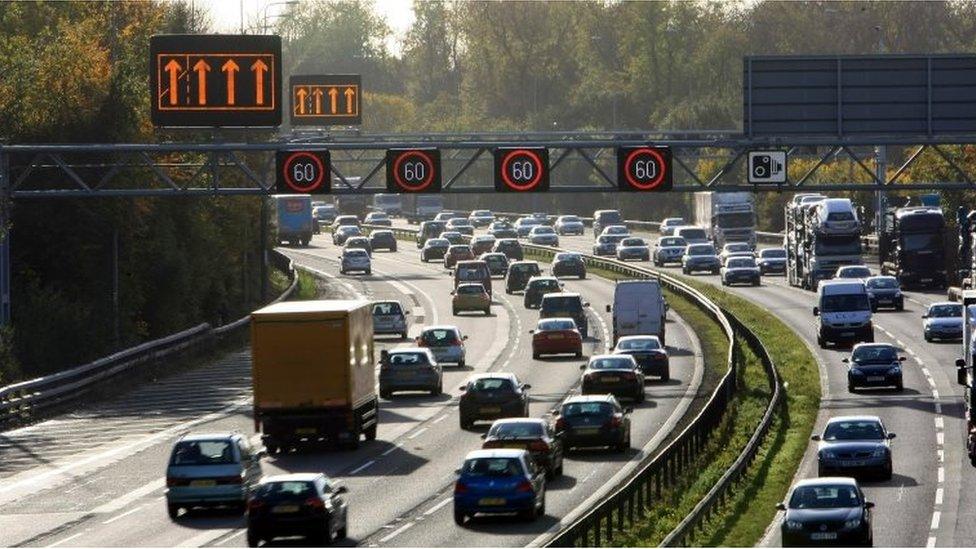
Smart motorways UK are transforming the way drivers experience the country’s busiest roads. Designed to improve traffic flow without widening traditional motorways, these high-tech roads use intelligent systems to manage speed, lane use, and incidents in real time. While offering significant benefits in reducing congestion, they have also sparked safety debates. This guide explains everything you need to know, from how smart motorways operate to safety measures, government policy, and practical tips for drivers.
What Are Smart Motorways UK?
Smart motorways UK are stretches of motorway that use technology to manage traffic dynamically. Unlike traditional motorways, they adjust lane use and speed limits based on real-time conditions. There are three main types:
Controlled Motorways
Controlled motorways maintain the hard shoulder for emergencies only and feature variable speed limits during peak traffic. Overhead gantries display speed limits and lane closures.
Dynamic Hard Shoulder Running
Here, the hard shoulder is temporarily opened to traffic during busy periods. This increases capacity without building new lanes, but drivers must leave the shoulder clear when it is closed.
All Lane Running (ALR)
The hard shoulder is removed entirely, turning all lanes into traffic lanes. Variable speed limits and overhead signage ensure safety while maximizing flow. ALR is increasingly common on motorways like the M25, M1, and M6.
Expert Note: The type of smart motorway affects how drivers should react to lane closures and speed changes, making awareness of each type essential.
How Smart Motorways UK Reduce Traffic Bunching
Traffic bunching occurs when vehicles cluster together, causing stop-start congestion. Smart motorways combat this through:
Variable Speed Limits: Sensors monitor traffic and adjust speeds to smooth flow, reducing sudden braking and bottlenecks.
Lane Management: Overhead gantries can open or close lanes based on traffic or incidents, distributing vehicles more evenly.
Incident Detection: Advanced cameras detect stopped vehicles, enabling rapid response by traffic officers and emergency services.
Pro Tip: Paying attention to gantry signs and speed limits can prevent accidents and fines. Ignoring Red X signs can result in penalties of up to £100 and 3 points on your license.
Safety Concerns and Government Data
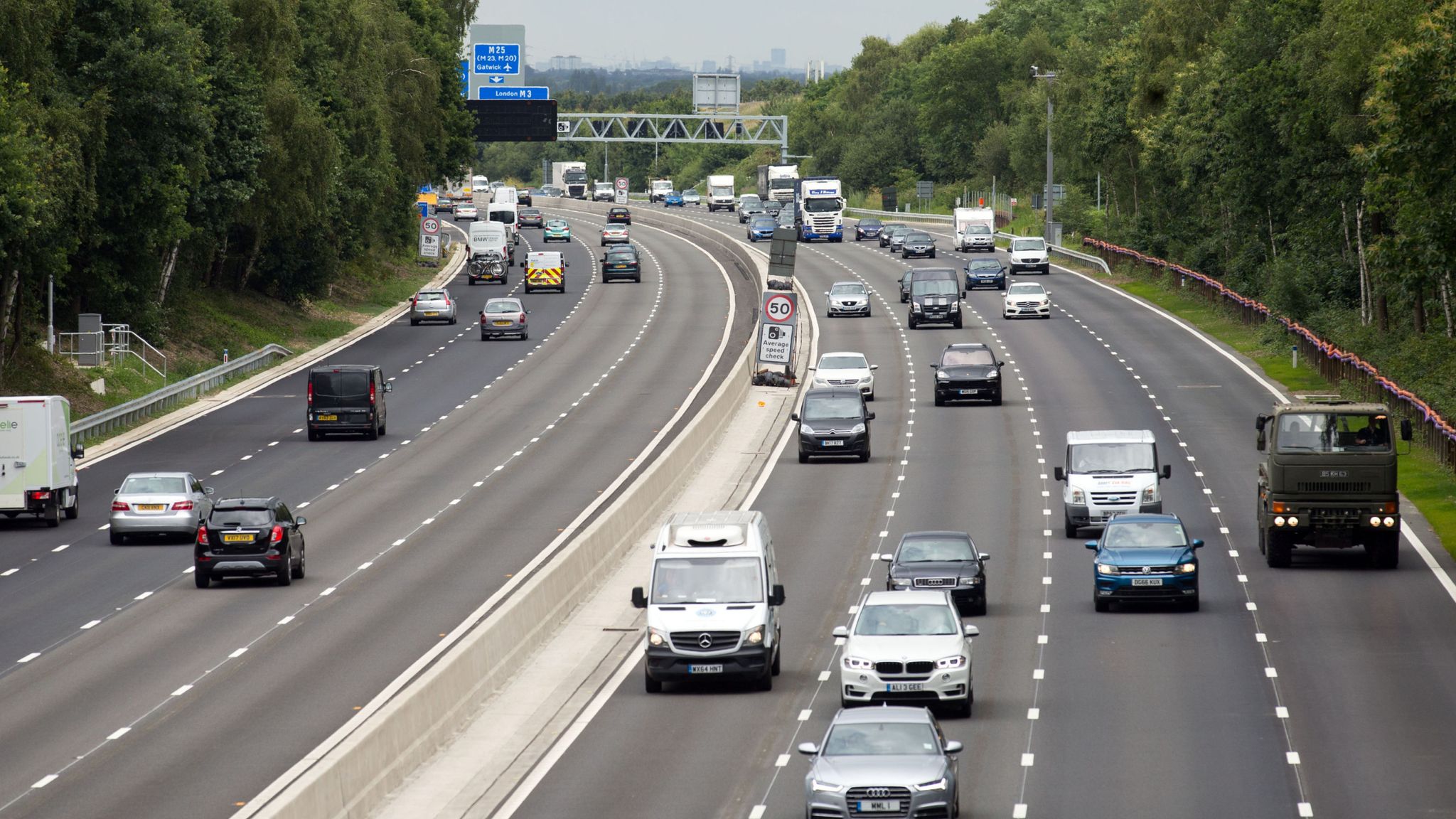
Safety has been the most debated aspect of smart motorways UK. Critics highlight the risks of breaking down without a permanent hard shoulder. However, the government and Highways England have implemented several measures:
Emergency Refuge Areas (ERAs): Located at intervals along motorways, these allow drivers to exit safely. On average, ERAs are spaced every 1.5 miles.
Stopped Vehicle Detection: Cameras now detect stationary vehicles and alert traffic control within 20–30 seconds.
Variable Speed Enforcement: Speed limits are monitored using automated cameras to reduce collisions.
Data Insight: Official reports show collisions involving moving vehicles have decreased, though collisions with stationary vehicles remain slightly elevated. Highways England emphasizes that ongoing upgrades and monitoring aim to improve overall safety. (gov.uk
)
Expert Note: Staying in the lane indicated by gantry signs and moving to an ERA if possible is the safest practice.
Legal Rules and Enforcement on Smart Motorways
Driving on smart motorways requires adherence to unique rules:
Red X Signs: Indicate lanes closed due to incidents. Driving in a lane under a Red X is illegal.
Variable Speed Limits: Must be followed, even if the digital limit is lower than the national 70 mph.
Breakdown Protocol: Use the nearest ERA, switch on hazard lights, and call 999 or Highways England on 0300 123 5000.
Failure to follow these rules can lead to fines, penalty points, or license suspension. (rac.co.uk
)
How to Drive Safely on Smart Motorways UK
1. Plan Your Route
Use navigation tools like Google Maps or AA Route Planner to check for smart motorway sections and potential congestion.
2. Keep a Safe Following Distance
Variable speed limits reduce stop-start traffic, but maintaining 2–3 seconds gap prevents collisions.
3. Know the ERA Locations
Familiarize yourself with emergency refuge areas on long trips. Knowing where they are can save crucial minutes in an emergency.
4. Observe Signs Closely
Gantry signs, speed limits, and lane closures change frequently. Drivers must remain attentive to avoid fines or accidents.
Pro Tip: On long journeys, plan fuel stops near smart motorway sections with easily accessible ERAs.
Advantages of Smart Motorways UK
Smart motorways offer several benefits for drivers and the transport system:
Reduced Congestion: Real-time speed and lane management smooth traffic, especially during rush hours.
Improved Journey Reliability: Faster response to accidents and better flow reduces delays.
Cost-Efficient Expansion: Increasing lane capacity without physically widening roads saves government resources.
Expert Note: Understanding the advantages helps drivers appreciate the purpose behind ALR systems, even if they initially seem intimidating.
Criticisms and Future of Smart Motorways UK
Despite benefits, smart motorways face criticism:
Public concerns about safety during breakdowns.
Limited confidence in enforcement systems after high-profile cases of Red X misuse.
Cancellation of new smart motorway projects in 2023 due to cost and public trust issues. (gov.uk
)
Future plans focus on upgrading existing routes, enhancing stopped vehicle detection, improving emergency response times, and rebuilding public trust through transparency.
Frequently Asked Questions (FAQs)
Q1: What are smart motorways UK and how do they differ from traditional motorways?
Smart motorways use technology to manage lanes and speed limits dynamically. Traditional motorways rely on fixed lanes and permanent hard shoulders.
Q2: How many motorways UK have been converted into smart motorways?
Over 400 miles of UK motorways now feature smart technology, with the M25, M1, and M6 among the most notable.
Q3: How do smart motorways prevent traffic bunching?
By adjusting speeds, opening/closing lanes, and monitoring incidents in real time, traffic flows more smoothly.
Q4: What is the national speed limit on smart motorways?
Cars and motorcycles have a default 70 mph limit, but variable speed limits displayed on gantries override this.
Q5: How do ERAs work?
ERAs are emergency lanes every 1–1.5 miles. In case of breakdown, drivers should pull in, turn on hazard lights, and call for help.
Q6: Can I avoid smart motorways?
Navigation apps allow drivers to avoid sections with ALR if preferred.
Q7: Are smart motorways safe?
Data shows reduced collisions in moving traffic, but safety depends on following rules, using ERAs correctly, and obeying gantry instructions.
Q8: Why were new smart motorway projects scrapped in 2023?
Government paused construction due to public trust concerns, costs, and ongoing safety debates.
You may also read: Project Hail Mary Movie Release Date, Cast, Trailer & Latest News (2026)