What Is White Wood Stain and Why It’s Popular in Modern Interiors
White wood stain is a semi-transparent finish designed to lighten wood while preserving its natural grain, texture, and character. Unlike paint, which sits on top of the surface, white wood stain penetrates into the wood fibers, creating a soft, washed effect. This makes it ideal for homeowners who want to brighten wooden surfaces without losing the organic feel of natural timber. The result is a balanced finish that looks modern yet warm, making it particularly appealing for Scandinavian, coastal, farmhouse, and minimalist design styles.
The growing popularity of white wood stain also comes from its versatility and subtlety. It can tone down yellow or orange undertones in wood, creating a more neutral appearance that works well with contemporary décor. Whether applied to flooring, furniture, cabinets, or paneling, white wood stain reflects light and helps rooms feel larger and brighter. This makes it especially useful in spaces with limited natural light or in homes aiming for a fresh, airy atmosphere without completely changing the wood’s original personality.
White Wood Stain vs Paint: Understanding the Key Differences
White wood stain and white paint serve different purposes, and understanding their differences helps you choose the right finish for your project. White paint creates a fully opaque layer that hides wood grain entirely, which can be useful for covering imperfections or achieving a uniform color. However, paint removes the natural character of wood and often requires more preparation, including priming, sanding between coats, and sealing for durability. In contrast, white wood stain enhances the grain while adding a light tone, resulting in a more natural and breathable finish.
Another important difference lies in maintenance and long-term appearance. Painted surfaces can chip or peel over time, particularly in high-traffic areas, while stained wood tends to wear more gracefully. White wood stain allows touch-ups without needing to strip the entire surface, making it practical for furniture and flooring. For homeowners who want a subtle, timeless look rather than a bold solid finish, stain often provides a more flexible and forgiving option that blends easily with changing décor trends.
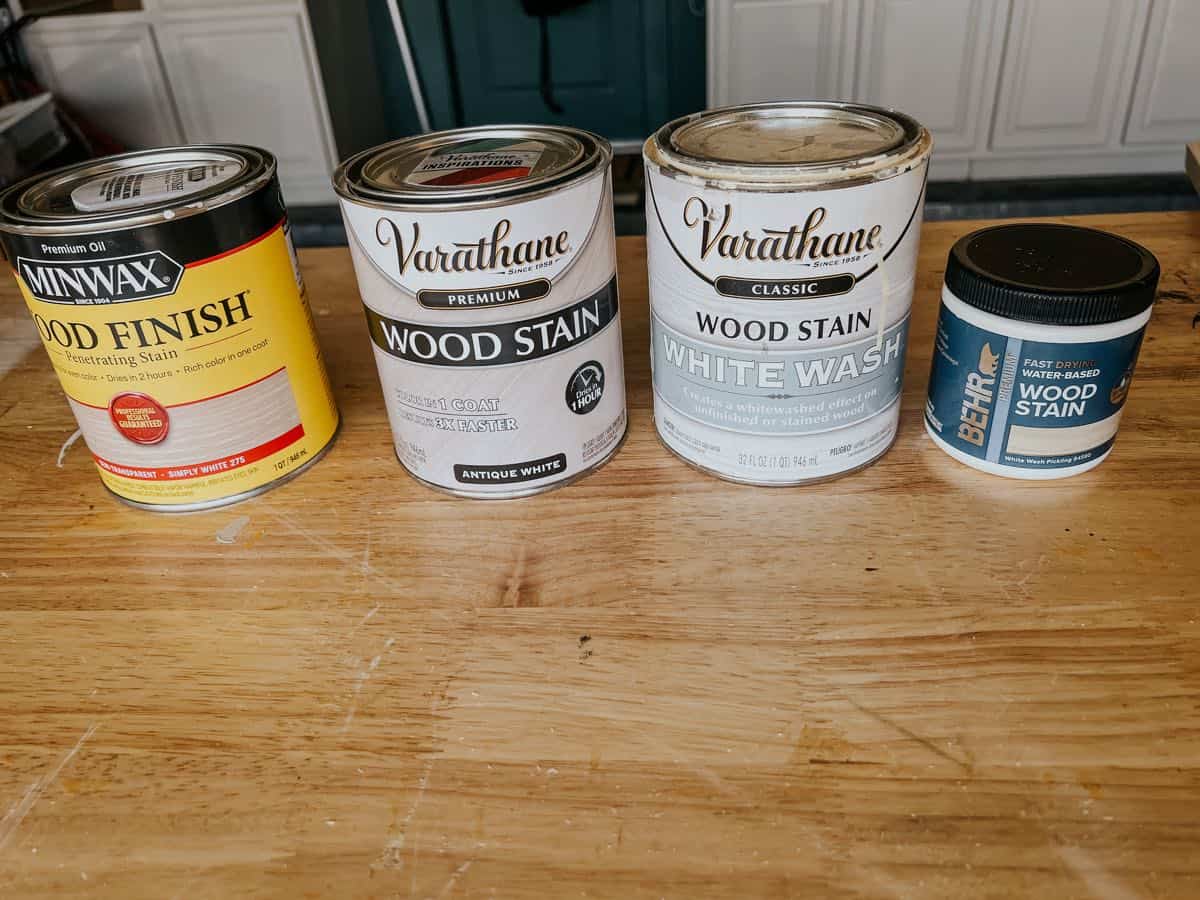
Best White Wood Stain Options and How to Choose the Right One
Choosing the best white wood stain depends on the level of coverage, durability, and project type. Some stains offer a very subtle white tone that slightly mutes the wood color, while others create a more pronounced whitewashed effect. Water-based stains are popular for indoor furniture because they dry quickly, produce minimal odor, and are easier to clean up. Oil-based stains, on the other hand, penetrate deeper into the wood and provide enhanced durability, making them suitable for flooring or outdoor surfaces where protection is important.
When selecting a white wood stain, it’s also helpful to consider the finish type and ease of application. Some products include built-in sealers, reducing the need for an additional protective coat. Others allow more control over the final appearance by letting you build color gradually with multiple layers. Beginners may prefer a lighter stain that is more forgiving, while experienced DIYers may choose stronger pigments for a more noticeable whitewashed effect. Understanding these differences ensures you pick a product that matches both your skill level and design goals.
How Different Wood Types Affect White Wood Stain Results
Not all wood species react the same way to white wood stain, and this is one of the most important factors in achieving a consistent finish. Softwoods like pine tend to absorb stain unevenly, which can lead to blotchy areas if the surface is not properly prepared. Using a wood conditioner before staining can help create a more uniform result. Pine also tends to show the white tone more prominently, making it ideal for achieving a brighter, washed appearance.
Hardwoods such as oak, maple, and poplar behave differently due to their tighter grain patterns. Oak typically produces a beautiful contrast because the stain settles into the grain lines, highlighting texture. Maple absorbs less stain and may result in a lighter, more subtle finish. Poplar can sometimes reveal green undertones when stained white, which may influence the final color. Testing the stain on a small hidden area is essential, as it helps you predict how the wood will react and adjust your technique accordingly.
Step-by-Step Guide to Applying White Wood Stain
/SPR-how-to-stain-over-paint-4587769-hero-8f8802e404cf403b91262cb142d64712.jpg)
Applying white wood stain correctly ensures a professional-looking result. Begin by sanding the surface with medium-grit sandpaper, followed by a finer grit to create a smooth base. Removing dust thoroughly is crucial, as leftover particles can interfere with stain absorption. If the wood has imperfections such as cracks or dents, filling them before staining will help create an even finish. Proper preparation allows the stain to penetrate evenly and reduces the risk of blotching.
Once the surface is ready, apply the stain using a brush, foam applicator, or lint-free cloth, working in the direction of the grain. Allow the stain to sit for a few minutes before wiping away excess product with a clean cloth. The longer you leave the stain, the stronger the white effect becomes. For deeper color, additional coats can be applied after the first layer dries completely. Always test your timing and technique on scrap wood to fine-tune the final appearance before working on the main surface.
Where to Use White Wood Stain in Your Home
White wood stain works well in nearly every room because of its subtle and adaptable aesthetic. In living spaces, stained wooden floors or coffee tables create a light, open feel while maintaining warmth. Bedrooms benefit from white-stained bed frames, wardrobes, or paneling, which contribute to a calm and relaxing atmosphere. Kitchens also look modern with white-stained cabinets or open shelving, especially when paired with natural stone or metal accents.
Outdoor applications are equally effective when using durable, weather-resistant stains. Garden furniture, fences, and decking can all benefit from a whitewashed finish that complements natural surroundings. The finish softens harsh sunlight reflections while still showcasing the wood’s texture. Whether used indoors or outdoors, white wood stain provides continuity throughout the home, creating a cohesive design that balances brightness with natural charm.
Common Mistakes to Avoid When Using White Wood Stain
One of the most common mistakes is skipping proper surface preparation. Applying stain to rough or dirty wood often results in uneven absorption and patchy color. Sanding thoroughly and cleaning the surface ensures consistent results. Another frequent issue is applying too much stain at once, which can obscure the grain or create streaks. Building color gradually with thin coats produces a more controlled and attractive finish.
Failing to test the stain before application is another problem that can lead to unexpected results. Different woods and lighting conditions can dramatically alter the appearance of white stain. Additionally, neglecting to seal the surface—especially for floors or outdoor wood—can reduce durability. Using a protective topcoat helps preserve the finish and extends its lifespan. Avoiding these mistakes improves both the appearance and longevity of your project.
Maintaining and Refreshing White Wood Stain Finishes
Maintaining white wood stain is relatively simple compared to painted surfaces. For indoor furniture, regular dusting and occasional cleaning with a slightly damp cloth is usually sufficient. Avoid harsh chemicals or abrasive pads, as they can wear down the finish over time. High-traffic areas like floors may require periodic touch-ups, but this is typically easier than repainting because the stain blends naturally with existing layers.
Outdoor stained wood benefits from seasonal inspection and occasional resealing. Sun exposure and moisture can gradually fade the white tone, so applying a protective coat every year or two helps maintain brightness. If the finish begins to dull, light sanding followed by a fresh coat of stain can restore the original look. With proper care, white wood stain ages gracefully, developing character while retaining its modern appeal.
How White Wood Stain Enhances Modern Design Styles
White wood stain complements a variety of design trends, making it a flexible choice for contemporary homes. Scandinavian interiors often use light wood tones combined with neutral colors, and white stain fits perfectly within this aesthetic. Coastal-inspired spaces also benefit from the soft, weathered appearance created by a whitewashed finish. These styles emphasize natural light and minimal decoration, both of which are enhanced by lighter wood surfaces.
In rustic or farmhouse interiors, white wood stain balances aged textures with modern brightness. It softens heavy wooden furniture and prevents spaces from feeling dark or outdated. Minimalist designs also benefit from the understated elegance of stained wood, as it adds visual interest without overwhelming the room. This adaptability is one of the main reasons white wood stain continues to grow in popularity among homeowners and designers.
Frequently Asked Questions About White Wood Stain
White wood stain often raises questions for beginners, especially regarding application and durability. One common question is whether it can be applied over previously finished wood. In most cases, the surface must be sanded down to bare wood to allow proper absorption. Another frequent question involves achieving a stronger white color. This can usually be accomplished by applying multiple coats or leaving the stain on the surface longer before wiping.
Many people also ask whether white wood stain requires sealing. While some products include built-in protection, applying a clear topcoat is recommended for high-use surfaces. Another concern is yellowing over time, which can occur if low-quality products are used or if the wood is exposed to strong sunlight. Choosing a high-quality stain and using proper finishing techniques helps maintain a clean, bright appearance for years.
Conclusion
White wood stain offers a perfect balance between modern brightness and natural warmth, making it an excellent choice for a wide range of projects. Its semi-transparent finish enhances wood grain while softening color tones, creating a timeless look that suits both traditional and contemporary interiors. Whether applied to furniture, flooring, or outdoor structures, white wood stain provides flexibility and elegance without the heavy appearance of paint.
With proper preparation, careful application, and regular maintenance, white wood stain can transform ordinary wood into a refined design feature. Its versatility, ease of use, and compatibility with multiple décor styles make it a practical and stylish solution. For homeowners seeking a fresh yet natural aesthetic, white wood stain remains one of the most effective ways to update wooden surfaces while preserving their authentic character.
You may also read: Summer Bucket List Ideas for the Best Season Ever (UK Edition)