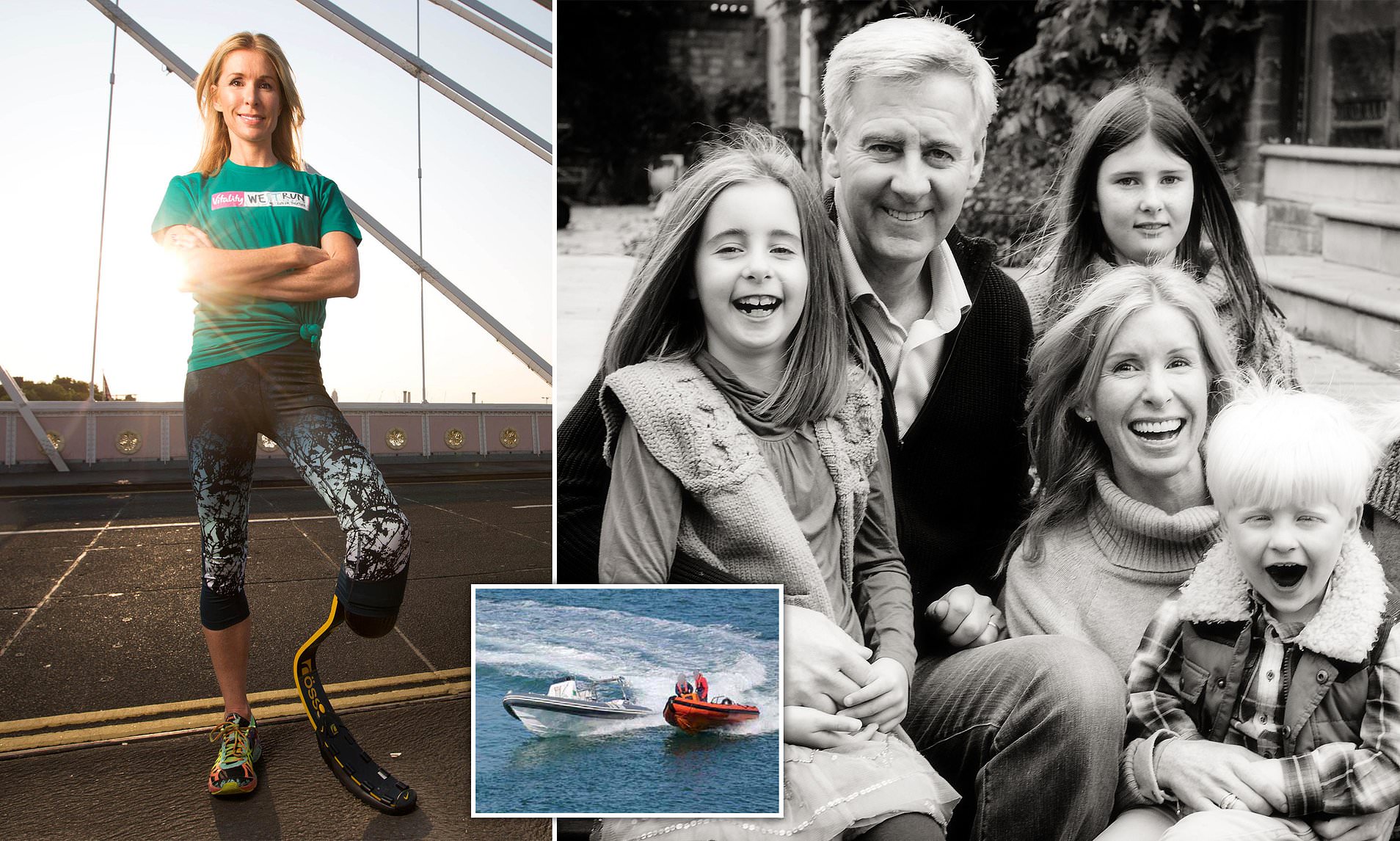
When a horrific speedboat accident shattered Victoria Milligan’s world in a single afternoon, the UK watched in collective heartbreak. More than a decade after surviving the tragedy that claimed the lives of her husband and young daughter, her continuous journey of emotional, physical, and personal reinvention remains a beacon of true human resilience.
Today, her work has expanded far beyond basic survival. As a prominent TEDx speaker, counsellor, advocate for disability awareness, and newly qualified personal trainer, Milligan offers an authentic, practical roadmap for navigating grief, trauma, and fundamental life changes.
The Speedboat Accident on 5 May 2013: What Actually Happened
On 5 May 2013, Victoria Milligan and her family were enjoying a bank holiday outing on the Camel Estuary near Padstow in Cornwall. What began as a normal family afternoon turned into a devastating tragedy when their runaway speedboat circled out of control, throwing the family into the water.
The incident tragically claimed the lives of her husband Nicko (a senior executive at Sky) and her eight-year-old daughter Emily. Victoria suffered severe, life-threatening injuries, ultimately resulting in the amputation of her lower left leg. The tragedy shocked the nation and triggered major marine safety reviews across the UK, making it one of the most widely covered personal survival stories of recent times.
Life After the Accident: Coping with Loss and Physical Change

In the aftermath of the crash, Victoria faced the monumental challenge of adjusting to an entirely new reality. Alongside her intense physical rehabilitation, she was forced to navigate the profound grief of losing her husband and daughter while providing emotional stability for her three surviving children.
Becoming an amputee required an overwhelming shift in daily living. She had to learn how to walk independently using a prosthetic leg, managing chronic pain and physical adaptation alongside deep emotional trauma. Her experience underscores that healing after severe trauma demands ongoing, long-term psychological strength rather than quick, dramatic fixes.
Rehabilitation and Physical Recovery Journey
Victoria’s physical rehabilitation was demanding and structured. Adapting to a prosthetic limb required patience, specialized physical therapy, and relentless commitment. Step by incremental step, she rebuilt her physical mobility and restored her personal independence.
Refusing to be limited by her disability, she eventually returned to active sports. Over the years, she learned to run, ski, and complete physical running challenges on her prosthetic leg, demonstrating what can be achieved through targeted goal-setting and athletic conditioning.
Transition into Public Speaking, Personal Training, and Counselling Work
As her recovery matured, Victoria transitioned into professional public speaking, addressing corporate audiences, conferences, and TEDx events. Her keynote talks focus on real-world resilience, navigating sudden change, managing mental health, and leadership through crisis.
To deepen her impact, she qualified as a counsellor and personal trainer. Combining physical fitness expertise with formal mental health training allows her to support individuals facing trauma, grief, and physical transformation in a practical, multi-dimensional way.
Media Appearances and Public Advocacy
Victoria remains a regular contributor to major UK television programs, including ITV’s This Morning and Lorraine, as well as national publications like The Sunday Times, The Times, and The Daily Mail. Rather than dwelling solely on the initial tragedy, her media work highlights life’s ongoing evolution, dating after loss, self-worth, and family recovery.
She also works closely with national charities, including Child Bereavement UK and the RNLI (Royal National Lifeboat Institution). Through these platforms, she helps raise crucial funds, promotes water safety, and offers comfort to families navigating sudden bereavement.
What Victoria Milligan Does Today
Today, Victoria Milligan is a sought-after motivational speaker, counsellor, personal trainer, and disability advocate. Based in the UK, she continues to raise her family while delivering talks on mindset, inclusion, and emotional health to organizations across the country.
Her current work is defined by long-term adaptation rather than short-term inspiration. By integrating physical fitness training with grief support, she offers actionable tools for people dealing with physical injuries, major life transitions, or deep personal loss.
Key Takeaways from Victoria Milligan’s Story
- Recovery is a gradual, non-linear process: True healing requires setting small, realistic goals rather than expecting instant transformation.
- Physical and mental health are connected: Rebuilding physical strength through fitness can actively support emotional recovery after trauma.
- Tragedy shapes, but does not define: Life can be rebuilt after profound loss through community support, self-compassion, and persistence.
Frequently Asked Questions
Who is Victoria Milligan?
Victoria Milligan is a UK-based motivational speaker, counsellor, personal trainer, and trauma advocate who gained national prominence following a tragic 2013 speedboat accident.
What happened in the Victoria Milligan speedboat accident?
On 5 May 2013, a runaway speedboat accident in Cornwall claimed the lives of her husband Nicko and eight-year-old daughter Emily, while Victoria suffered life-threatening injuries that resulted in the amputation of her lower left leg.
How did Victoria Milligan recover after losing her leg?
Through intensive physical rehabilitation, strength training, and psychological support, she learned to walk, run, and ski on a prosthetic leg, eventually qualifying as a personal trainer.
What does Victoria Milligan do today?
She works as a professional keynote speaker, qualified counsellor, and personal trainer, focusing on resilience, grief management, disability inclusion, and mental health advocacy.
Which charities does Victoria Milligan support?
She actively works with Child Bereavement UK and the RNLI to support bereaved families and raise awareness for water safety.
You may also read:
Sam McAlister: TV Producer Behind the Famous Prince Andrew Interview and Netflix’s Scoop
Mind the Gap in Popular Culture and Beyond Transport