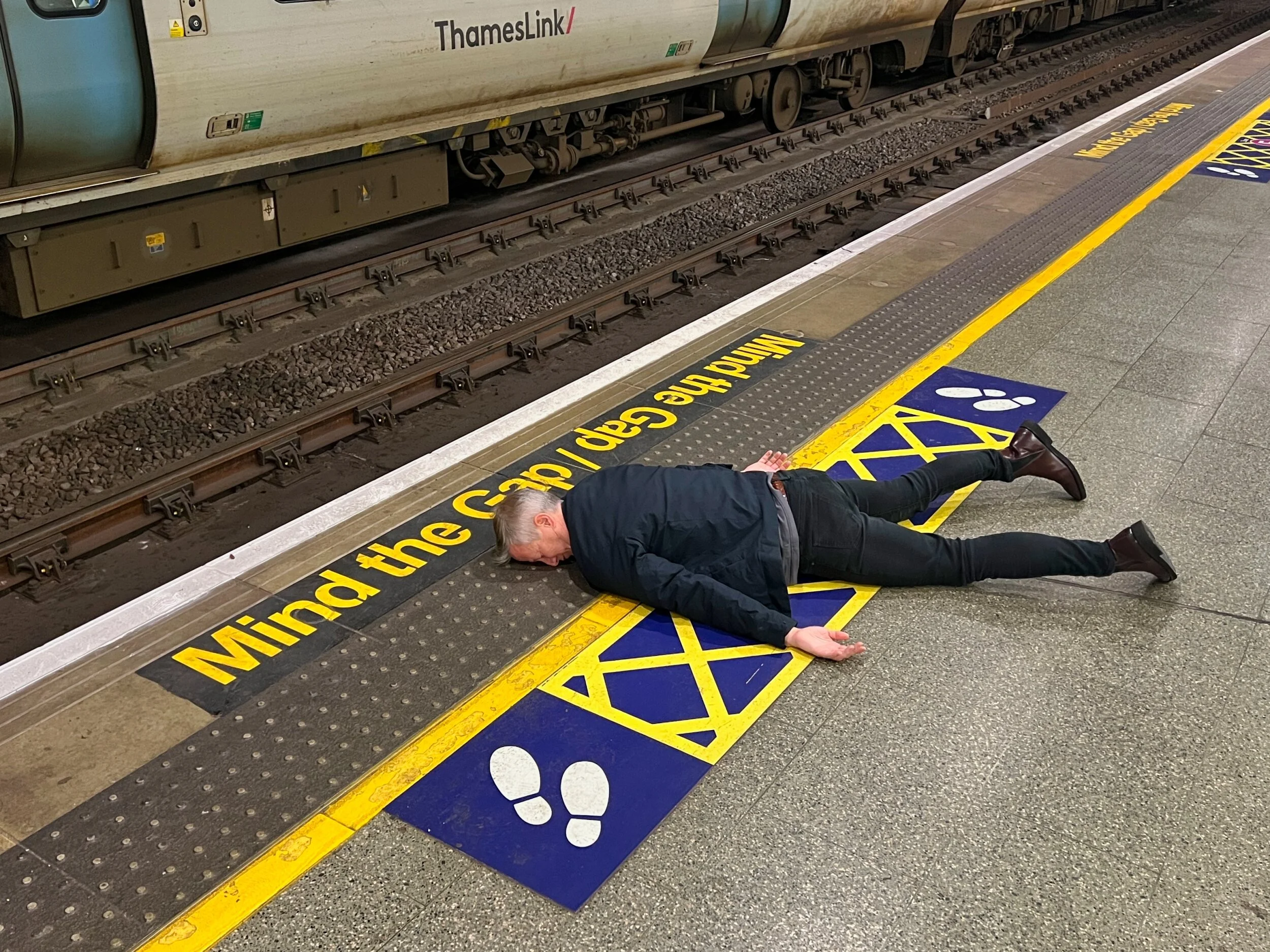
It is only four words long, but no phrase on earth carries the instant recognition, emotional pull, and stark utility of London’s most famous transport warning. “Mind the gap” has cautioned billions of commuters stepping onto platform edges since the late 1960s, evolving from a pragmatic safety solution into a global symbol of British identity and cultural heritage.
As Transport for London rolls out a wave of major fleet and platform modernizations—including state-of-the-art trains with wider double doors and real-time digital edge guidance—the iconic phrase continues to adapt. The phrase has even taken on new political and economic weight, serving as the banner for South London’s regional transport infrastructure campaign.
The Origin and History of Mind the Gap
The London Underground first introduced “mind the gap” in 1969 to address a hazardous engineering challenge: the physical gap between straight train carriages and curved deep-tube platforms. These curved platform edges, built decades earlier, left deceptively wide spaces where passengers could easily trip or fall.
To deliver an authoritative warning, transport authorities recorded actor Oswald Laurence. His stern, measured voice echoed across stations for decades, becoming an unmistakable soundtrack of daily life in the capital.
When automated digital systems replaced analogue tapes across most lines, Laurence’s recording was phased out. However, following a heartfelt request from his widow, Margaret McCollum, TfL permanently restored Laurence’s original voice to the northbound Northern Line platform at Embankment station, where it still plays today.
The Crucial Safety Purpose Behind the Warning
At its core, “mind the gap” serves a vital operational purpose: keeping millions of daily commuters safe during peak boarding hours. Stations built on tight subterranean curves—such as Embankment, Bank, and Waterloo—feature platform voids that can easily trap a misstep.
Children, elderly travelers, and passengers with mobility needs face the greatest risk when navigating these spaces. Clear floor painted warnings, elevated platform humps, and repeated audio cues work in tandem to minimize accidents.
The warning remains just as vital as new, air-conditioned train fleets with walk-through carriages enter service across deep-tube lines. While modern train designs reduce step heights, platform geometry across London’s oldest underground tunnels still requires constant vigilance.
Mind the Gap in Popular Culture and Beyond Transport
.jpg?width=1200&auto=webp&quality=75)
Few safety instructions have ever achieved such a vibrant second life in global art and lifestyle design. The phrase appears as a central motif in contemporary British literature, podcasts, fashion lines, and interior wall prints celebrating urban transit design.
Creative brands frequently use the phrase as a metaphor for bridging social divides, navigating personal growth, or pursuing mindfulness. From novelty street signs and card games to home furnishings, the phrase has become a lucrative piece of cultural IP.
The phrase has also transcended physical platforms to define civic policy. Local government coalitions across the capital use “Mind the Gap” as a rallying slogan for tackling transport equity and infrastructure investment across underserved London boroughs.
Global Impact and International Transport Systems
While born on the London Tube, the phrase’s universal clarity has influenced public transit systems around the globe. Metro networks in New York, Singapore, Toronto, and Tokyo deploy variation warnings like “watch the gap” or digital platform edge gates, but none match the distinct rhythm of the London original.
International visitors routinely identify the phrase as one of their core memories of visiting the UK. Its combination of polite directness and public care resonates across cultures, making it an enduring diplomatic ambassador for British design thinking.
Modern Adaptations and the Digital Era
In an era of smartphone navigation, digital assistant integration, and real-time transit apps, “mind the gap” has adapted seamlessly to mobile tech. App developers embed digital audio cues to notify visually impaired passengers when approaching wide-gap platforms.
TfL continues to pair historical preservation with high-tech updates. While LED floor lighting and automated platform edge visual cues assist modern commuters, heritage stations preserve the classic painted platform text and vintage audio clips that fans travel across the globe to hear.
The phrase remains an active, living bridge between London’s Victorian engineering roots and its high-tech transit future. It reminds everyone that safety and cultural charm can exist in the exact same breath.
Frequently Asked Questions
What does “mind the gap” mean on the London Underground?
It is a safety instruction warning passengers to watch the space between the train door and the platform edge to prevent trips and falls.
Who recorded the original “mind the gap” announcement?
Actor Oswald Laurence recorded the iconic version in the late 1960s. You can still hear his original voice exclusively on the northbound Northern Line platform at Embankment station.
Why are the gaps between trains and platforms so large at certain stations?
Many older London Underground platforms were constructed on sharp underground curves during the 19th and early 20th centuries. Straight train carriages cannot bend to match these curved edges, leaving a visible gap.
Is “mind the gap” used outside of London?
Yes, transit networks worldwide use similar phrasing or direct adaptations, though the exact wording remains most famously associated with the UK.
How is TfL upgrading platform safety on older lines?
Transport for London uses a mix of platform humps for step-free access, painted edge warnings, digital display messaging, and new train fleets featuring wider double doors and level boarding features.
Oswald Laurence’s Original Announcement Video
This video captures the historic audio played at Embankment station alongside the heartwarming backstory of why TfL preserved Oswald Laurence’s original voice for his widow.
You may also read:
Lavender Marriage: What It Is, Famous Examples, and Why It Still Matters in 2025
Shipping, Discreet Packaging, and Delivery Considerations