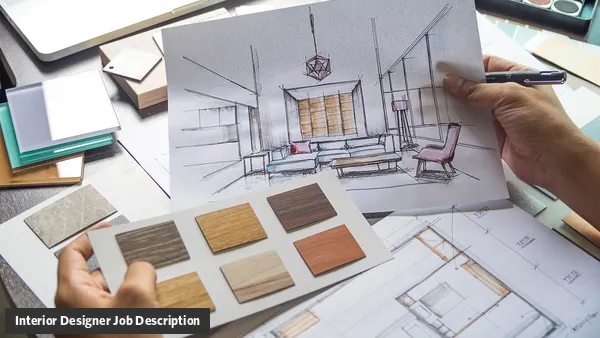
Interior Design Jobs in the UK: Market Demand and Career Scope
Interior design jobs in the UK continue to grow as demand increases across residential, commercial, and hospitality sectors. Businesses and homeowners now prioritize functional, aesthetically pleasing spaces, which has created consistent hiring demand for skilled interior designers. From boutique studios to large property developers, employers are actively searching for professionals who can blend creativity with technical knowledge. This growing demand means opportunities exist for beginners, experienced designers, and freelancers alike, especially in cities such as London, Manchester, Birmingham, and Bristol.
The UK job market also reflects evolving work trends, including hybrid roles, freelance contracts, and remote collaboration. Many companies now expect designers to manage projects digitally while occasionally visiting sites when necessary. As a result, candidates with strong software skills, communication abilities, and portfolio-based experience are more competitive. Whether working in luxury residential projects or commercial office spaces, interior design jobs offer stability, career progression, and the chance to work on diverse projects that impact how people live and work.
Types of Interior Design Jobs Available
Interior design roles vary widely depending on experience level, specialization, and project type. Entry-level positions often include junior interior designer, assistant designer, or design coordinator roles. These positions focus on supporting senior designers, preparing mood boards, researching materials, and assisting with client presentations. Mid-level roles usually involve managing small projects independently, creating detailed layouts, and coordinating with contractors. Senior positions require leadership, project management, and client relationship skills, often overseeing entire design processes from concept to completion.
Specialized interior design jobs are also becoming more common across industries. Designers may focus on hospitality design, workplace interiors, residential renovations, or retail environments. Some roles combine interior design with architectural or visualization responsibilities, requiring technical drawing and 3D rendering skills. Freelance interior designers often specialize in niches such as kitchen design, luxury staging, or eco-friendly interiors. This diversity allows professionals to choose paths aligned with their interests while building expertise in specific sectors that offer strong earning potential.
Remote Interior Design Jobs and Flexible Work Options
Remote interior design jobs have become increasingly popular as companies adopt digital collaboration tools. Designers can now conduct virtual consultations, share floor plans, and present 3D visualizations without needing constant on-site presence. This shift has opened opportunities for professionals living outside major cities or those seeking flexible schedules. Freelancers, consultants, and contract designers benefit the most from remote work, allowing them to handle multiple clients simultaneously while reducing commuting time.
However, remote roles still require strong technical and communication skills. Employers expect designers to be proficient in software such as AutoCAD, SketchUp, and rendering tools to communicate ideas clearly. Remote designers also need project management abilities to coordinate with suppliers, contractors, and clients. While fully remote roles exist, many companies prefer hybrid arrangements that combine remote planning with occasional site visits. This balance ensures quality execution while maintaining flexibility for both designers and employers.
Entry-Level Interior Design Jobs and Career Start
Entry-level interior design jobs are ideal for graduates or individuals transitioning from related fields like graphic design or architecture. Junior designers typically assist with drafting, creating mood boards, sourcing materials, and preparing presentations. These roles help build hands-on experience while allowing new designers to understand client requirements, project timelines, and budgeting considerations. Although entry-level salaries may start modestly, they often increase quickly as designers develop portfolios and gain project experience.
Employers hiring entry-level candidates often prioritize practical skills over formal qualifications alone. A strong portfolio demonstrating creativity, attention to detail, and technical understanding can significantly improve job prospects. Many candidates also enhance their chances by learning industry-standard software and understanding building regulations. Internships and assistant roles provide valuable exposure to real-world projects, helping new designers progress to mid-level positions within a few years. With consistent skill development, entry-level roles can become stepping stones to higher-paying opportunities.
Interior Designer Salary Expectations in the UK
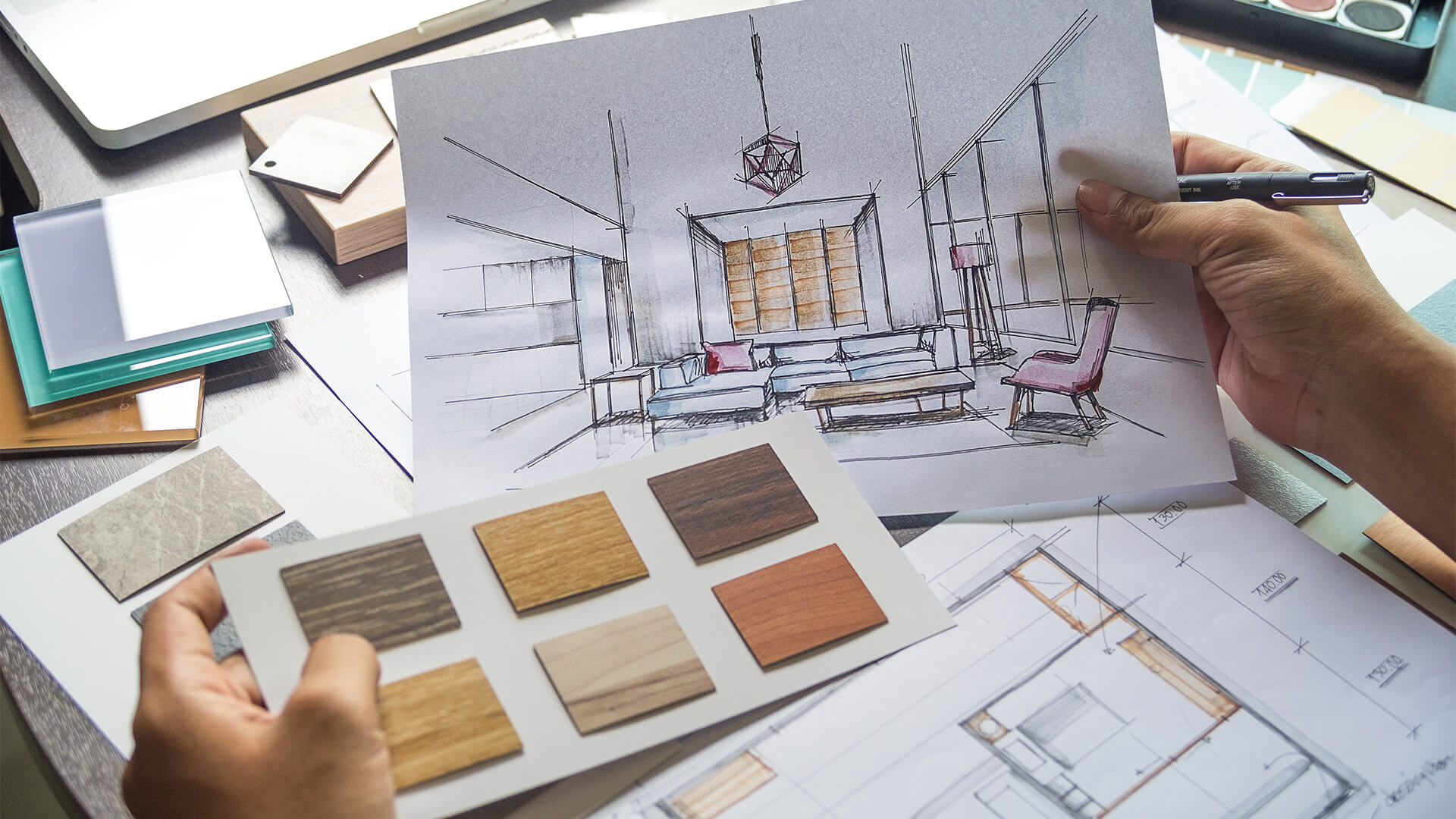
Salary expectations for interior design jobs in the UK vary depending on experience, location, and specialization. Entry-level designers typically earn between £22,000 and £30,000 annually, while mid-level designers can expect salaries ranging from £30,000 to £45,000. Senior interior designers and project managers often earn £45,000 to £70,000 or more, particularly in London and high-end design firms. Freelance designers may charge daily rates, often ranging from £150 to £400 depending on expertise and project complexity.
High-paying interior design jobs often require leadership skills, technical knowledge, and industry experience. Designers working in luxury residential, hospitality, or commercial sectors tend to command higher salaries due to project scale and client expectations. Additional income opportunities also exist through freelance work, consultations, and specialized services such as space planning or 3D visualization. Understanding salary ranges helps candidates set realistic expectations and plan career growth strategically within the interior design field.
Skills Employers Look for in Interior Design Jobs
Employers hiring for interior design jobs prioritize a mix of creative and technical skills. Strong spatial awareness, color coordination, and material knowledge remain essential, but technical proficiency has become equally important. Many job listings require experience with software such as AutoCAD, SketchUp, Adobe Creative Suite, and rendering tools. Designers who can create accurate technical drawings and visual presentations are more likely to secure competitive roles.
In addition to technical skills, communication and project management abilities are highly valued. Designers frequently collaborate with clients, architects, and contractors, requiring clear communication and organization. Employers also look for candidates who understand budgeting, timelines, and construction processes. A well-rounded skill set improves employability and increases opportunities for advancement. Designers who continuously update their knowledge and adapt to industry trends often achieve faster career growth.
Best Locations for Interior Design Jobs in the UK
London remains one of the strongest markets for interior design jobs due to its concentration of design studios, property developers, and luxury clients. Designers working in the capital often have access to high-profile projects and higher salary ranges. However, competition is also stronger, making portfolios and experience essential for success. Other cities such as Manchester, Birmingham, Leeds, and Bristol also offer growing opportunities, particularly in commercial and residential design sectors.
Regional markets provide additional advantages such as lower living costs and less competition. Designers working outside London may still collaborate with national clients through remote work arrangements. Hospitality, retail, and office renovations in smaller cities continue to drive hiring demand. By exploring multiple locations, candidates can find roles that match their lifestyle preferences while building experience in different sectors of interior design.
Freelance and High-Paying Interior Design Careers
Freelancing has become a popular option for interior designers seeking independence and higher earning potential. Freelance designers often work on residential renovations, staging projects, or consulting assignments. Building a strong online portfolio and maintaining client relationships are essential for success. Freelancers who specialize in niche areas such as sustainable design or luxury interiors often attract higher-paying clients and long-term contracts.
High-paying interior design careers also include leadership roles such as creative director, design manager, and senior consultant. These positions involve overseeing teams, managing large projects, and maintaining client relationships. Designers with extensive experience and strong portfolios can transition into consultancy roles, offering strategic advice for commercial or residential developments. Whether freelancing or working in senior positions, experienced designers can achieve substantial income growth.
FAQ About Interior Design Jobs
Interior design jobs often raise common questions for beginners and experienced professionals. One frequently asked question is whether a degree is necessary to enter the field. While formal education can help, many employers prioritize portfolios and practical skills. Another common concern involves remote work opportunities. Remote and hybrid roles are increasingly available, especially for designers skilled in digital collaboration and visualization tools.
Candidates also ask about career growth and salary potential in interior design. Progression typically moves from junior roles to mid-level positions, followed by senior or managerial roles. Freelancing and specialization can further increase earning potential. Understanding these factors helps job seekers make informed decisions about entering the field. With consistent skill development and portfolio improvement, interior design remains a rewarding career with strong long-term opportunities.
You may also read: IKEA Oxford Street Now Open – The Ultimate Store Guide on London’s Iconic Shopping Strip