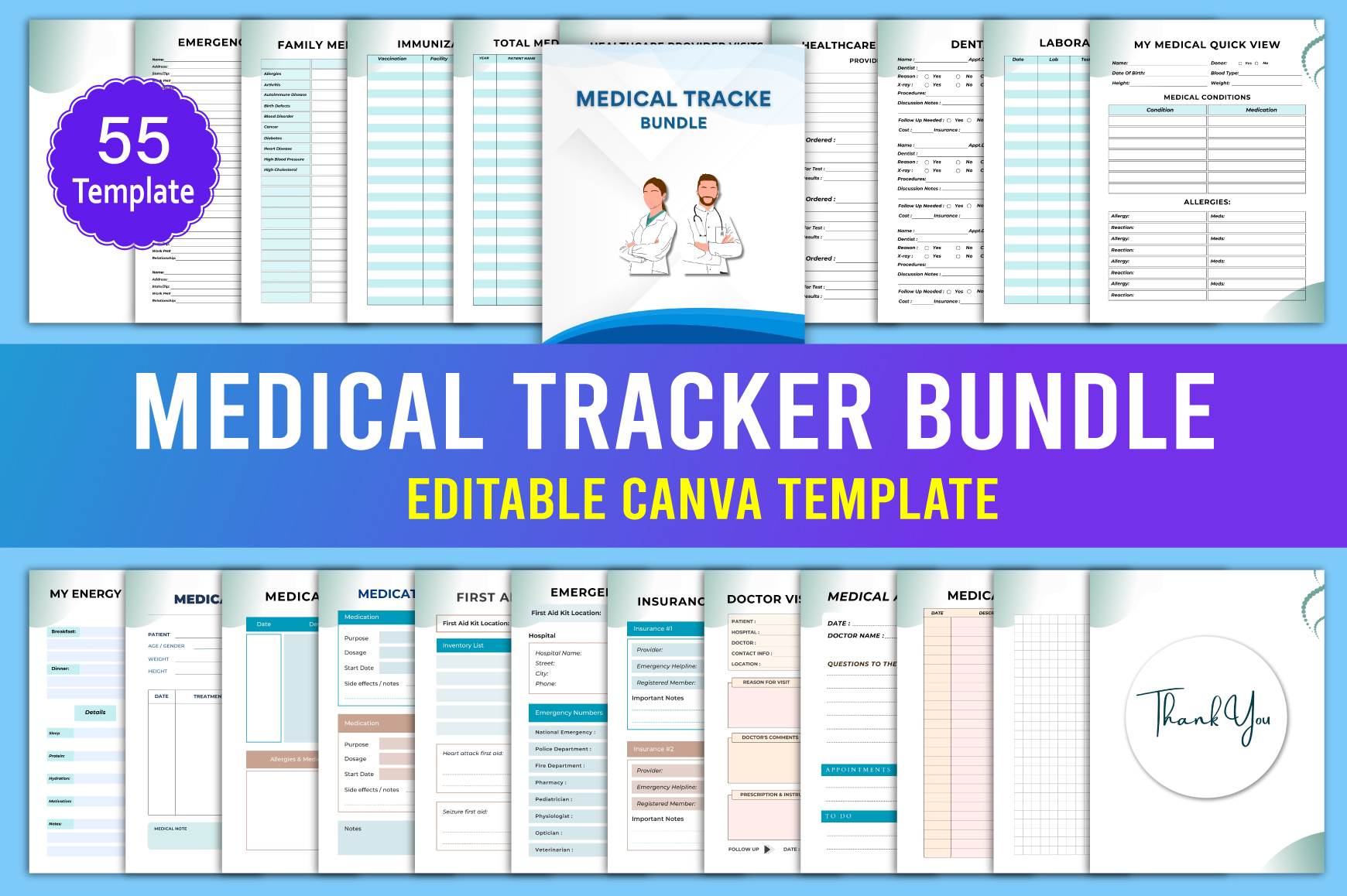
In today’s education environment, safeguarding and health management have become central responsibilities for schools across the UK. Staff are expected to respond quickly to medical incidents, maintain accurate records, and communicate clearly with parents and leadership teams. A medical tracker provides a practical digital solution to manage these responsibilities efficiently, replacing outdated paper systems with a structured, real-time platform designed for accuracy and accountability.
As schools continue to adopt digital tools to improve operational efficiency, a medical tracker has emerged as an essential system for managing student health data. By centralising records, simplifying reporting, and enabling faster response times, it helps schools move from reactive care to a more proactive and organised approach. This not only improves safety standards but also strengthens trust between schools, parents, and regulatory bodies.
What Is a Medical Tracker
A medical tracker is a specialised software system designed to record and manage medical incidents, medication administration, and student health information within a school setting. Instead of relying on handwritten logs or scattered files, it provides a single secure platform where all medical data is stored and accessed in real time. This ensures that staff always have up-to-date information when responding to health-related situations.
The system is built to support daily school operations, allowing authorised users to log incidents, update care details, and review records quickly. By standardising how information is recorded, a medical tracker reduces inconsistencies and ensures that every entry follows a structured format. This level of organisation improves both efficiency and reliability, making it easier for schools to maintain high safeguarding standards.
Key Features of Medical Tracker Software
A well-designed medical tracker includes features that directly support the needs of school staff and safeguarding teams. One of its core capabilities is real-time incident recording, allowing staff to log injuries, illnesses, or health concerns immediately as they occur. This ensures that no detail is missed and that records remain accurate and complete.
Another important feature is medication tracking, where staff can record when medication is administered and monitor ongoing requirements for individual students. Many systems also support care plan management, enabling schools to store essential information about allergies, medical conditions, and required treatments. In addition, reporting tools allow schools to review patterns, identify recurring issues, and make informed decisions that improve student safety over time.
How Medical Tracker Works in Schools
In a typical school setting, a medical tracker is used throughout the day to record and manage health-related events. When a student visits the first-aid room, staff can quickly log the incident, record any treatment given, and update the student’s health record. This information is stored securely and can be accessed instantly by authorised staff when needed.
The system also supports communication by allowing relevant updates to be shared with parents or senior staff. This ensures transparency and keeps everyone informed about a child’s wellbeing. Over time, the collected data helps schools understand trends, such as frequent injuries or recurring health issues, enabling them to take preventative measures and improve overall safety.
Benefits of Using a Medical Tracker
One of the most significant benefits of a medical tracker is improved accuracy in record-keeping. Digital systems reduce the risk of lost paperwork, incomplete records, or human error, ensuring that all information is stored securely and consistently. This creates a reliable record that can be referenced during inspections, audits, or internal reviews.
Another key advantage is increased efficiency. By automating processes such as reporting and data storage, staff spend less time on administrative tasks and more time focusing on student care. The system also supports better decision-making by providing clear insights into health trends and incidents, helping schools implement targeted strategies to reduce risks and enhance safeguarding practices.
Why Schools Are Moving Away from Paper-Based Systems
Traditional paper-based systems often create challenges in terms of organisation, accessibility, and accuracy. Records can be misplaced, difficult to read, or incomplete, which increases the risk of errors during critical situations. A medical tracker eliminates these issues by providing a structured and easily accessible digital system that ensures all data is stored in one place.
.png?width=800&height=500&name=Untitled%20design%20(6).png)
In addition, digital systems allow multiple authorised users to access information simultaneously, improving coordination among staff members. This is particularly important in larger schools where quick communication is essential. By replacing manual processes with a reliable digital solution, schools can improve both efficiency and the quality of care they provide.
Medical Tracker and Compliance Requirements
Maintaining accurate medical records is an important part of meeting safeguarding and regulatory requirements in schools. A medical tracker supports this by providing detailed logs, timestamps, and audit trails that demonstrate how incidents are handled. This level of documentation helps schools show that they are following appropriate procedures and maintaining high standards of care.
The system also simplifies reporting by allowing staff to generate detailed summaries when needed. This can be particularly useful during inspections or internal reviews, where clear and organised records are essential. By ensuring consistency and accuracy, a medical tracker helps schools remain compliant while reducing administrative pressure on staff.
Choosing the Right Medical Tracker for Your School
When selecting a medical tracker, schools should focus on systems that are easy to use and designed specifically for their needs. A user-friendly interface ensures that staff can quickly adopt the platform without extensive training, which is essential for maintaining efficiency during busy school days. At the same time, the system should provide reliable performance and secure data storage.
It is also important to choose a solution that offers flexibility and scalability. As school needs evolve, the system should be able to adapt and support additional features or increased usage. By selecting the right medical tracker, schools can create a sustainable solution that continues to deliver value over time while improving both safety and operational efficiency.
The Future of Medical Tracking in Education
As schools continue to embrace digital transformation, medical tracking systems are expected to become even more advanced and integrated into daily operations. Future developments may include improved data analysis, smarter reporting tools, and enhanced communication features that further streamline processes and support decision-making.
At the same time, the focus on safeguarding and student wellbeing will continue to drive the adoption of these systems. Schools that invest in reliable medical tracking solutions will be better positioned to manage health-related responsibilities effectively, ensuring that they provide a safe and supportive environment for all students. This ongoing evolution highlights the growing importance of digital tools in modern education.
FAQs About Medical Tracker
What is a medical tracker used for in schools?
A medical tracker is used to record and manage incidents, medication, and student health information in a structured digital system. It helps schools maintain accurate records and respond effectively to medical situations.
How does a medical tracker improve school safety?
By providing real-time access to health data, a medical tracker allows staff to respond quickly and accurately to incidents. It also helps identify patterns, enabling schools to take preventative actions.
Is a medical tracker easy for staff to use?
Most medical tracker systems are designed with simplicity in mind, allowing staff to log incidents and access information quickly without complex training or technical knowledge.
Can a medical tracker replace paper accident books?
Yes, a medical tracker is designed to replace paper-based systems by providing a more reliable, organised, and accessible way to manage medical records digitally.
Why is a medical tracker important for compliance?
It ensures that all incidents and treatments are recorded accurately, creating clear documentation that supports safeguarding requirements and regulatory standards.
You may also read: National Rail Live Departures Euston – Real-Time Train Times & Platform Updates