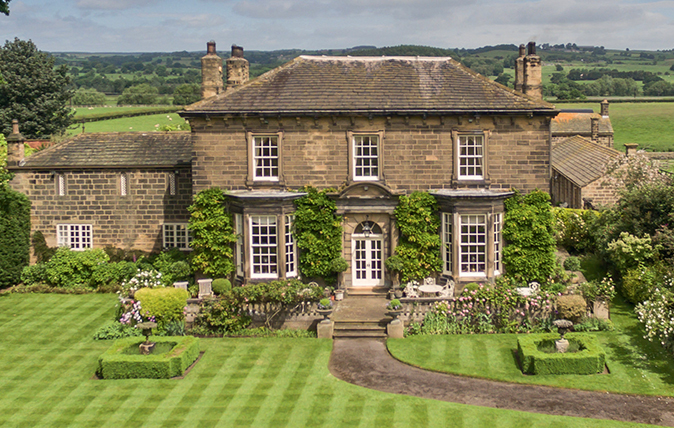
Introduction to Historic Homes for Sale in the UK
Historic homes for sale in the UK attract a wide range of buyers, from local families to international investors looking for unique period properties with architectural value. These homes often include Georgian townhouses, Victorian villas, Tudor cottages, and countryside estates that reflect centuries of British heritage. Unlike modern developments, they offer character, craftsmanship, and design details that cannot be replicated today, making them highly desirable in both urban and rural property markets across the country.
Interest in historic homes continues to grow as buyers seek properties that combine lifestyle appeal with long-term value. Many of these homes are located in conservation areas or designated as listed buildings, which adds both prestige and responsibility. Buyers are often drawn to the idea of owning a property that carries cultural significance while also offering a distinctive living experience that connects them to the architectural and social history of the United Kingdom.
UK Historic Property Market Overview
The market for historic homes in the UK remains strong due to limited supply and consistent demand from both domestic and international buyers. Period properties are not just residential spaces but also cultural assets, often protected under listing regulations that preserve their original features. This scarcity helps maintain their value over time, especially in cities and regions where historic architecture is a key part of local identity and tourism appeal.
In recent years, the UK property market has shown that buyers are increasingly prioritizing uniqueness, heritage value, and long-term stability. Historic homes benefit from this trend as they offer something that new-build properties cannot match. However, buyers must also consider maintenance requirements and regulatory restrictions, which play an important role in shaping how these homes are renovated, managed, and preserved for future generations.
Types of Historic Homes in the UK
Historic homes in the UK come in a wide variety of architectural styles, each representing a different historical period. Common examples include Tudor homes with timber framing, Georgian properties known for symmetry and proportion, Victorian houses with decorative detailing, and Edwardian homes that often blend traditional and early modern design elements. These styles reflect the evolution of British architecture and remain highly sought after for their aesthetic and cultural value.
Beyond architectural style, historic homes can also vary in size and function, ranging from small rural cottages to large country estates and manor houses. Many of these properties are listed buildings, meaning they are legally protected due to their historical significance. This classification ensures that their original character is preserved, but it also means that any modifications must follow strict conservation guidelines, which can influence renovation decisions.
Popular Locations for Historic Homes in the UK
Some of the most desirable locations for historic homes include London, Edinburgh, the Cotswolds, and rural counties such as Norfolk and Kent. In London, areas like Kensington and Chelsea are known for elegant Georgian and Victorian terraces that attract high-net-worth buyers. These central locations offer a combination of historic charm and access to modern amenities, making them highly competitive in the property market.
Outside major cities, regions such as the Cotswolds and Yorkshire offer countryside estates and stone-built cottages surrounded by natural landscapes. Edinburgh also stands out with its rich architectural heritage, including Georgian New Town properties and historic stone buildings. These areas appeal to buyers seeking a quieter lifestyle while still enjoying the prestige and character of owning a historic home in the UK.
Prices and Affordability of Historic Homes in the UK
The price of historic homes in the UK varies significantly depending on location, condition, and level of preservation. In major cities like London, period properties can command premium prices due to high demand and limited availability. In contrast, rural historic homes may be more affordable, although renovation costs can increase the overall investment required to restore and maintain them to a livable standard.
Affordability is also influenced by the level of listing protection attached to a property. Grade I and Grade II listed homes often require specialized materials and skilled labor for repairs, which can increase long-term maintenance expenses. Buyers should carefully evaluate both purchase price and ongoing costs to ensure they fully understand the financial commitment involved in owning a historic property.
Buying Process and Mortgage Considerations
Purchasing historic homes for sale in the UK involves a more detailed process compared to standard residential properties. Buyers must often conduct specialized surveys to assess structural condition, especially in older buildings where hidden issues may exist. Legal checks are also essential to confirm listing status and any restrictions that may affect renovation or extension plans.
From a financial perspective, obtaining a mortgage for a historic home can sometimes be more complex, as lenders may assess the property’s condition and marketability differently. Some lenders require higher deposits or additional documentation to account for potential risks. Despite these challenges, many buyers still pursue financing options due to the long-term value and prestige associated with owning a period property.
Renovation, Preservation, and Modern Living
Renovating historic homes requires a careful balance between preservation and modern comfort. Many properties include original features such as sash windows, wooden beams, and stone fireplaces, which must be maintained to preserve historical authenticity. Any renovation work typically requires approval from local conservation authorities, ensuring that changes remain in line with heritage protection standards.
At the same time, many owners choose to incorporate modern upgrades such as energy-efficient heating systems, improved insulation, and discreet smart home technology. These improvements help enhance comfort without compromising the character of the property. When done correctly, renovation can successfully blend historic charm with modern living standards, making these homes both practical and visually appealing.
Investment Potential and Long-Term Value
Historic homes in the UK are often considered strong long-term investments due to their rarity and cultural significance. Unlike new-build properties, their supply cannot easily be increased, which helps support long-term value stability. Buyers are often attracted by the combination of lifestyle benefits and potential capital appreciation, especially in areas with strong tourism or heritage appeal.
In addition to capital growth, some historic properties also offer opportunities for luxury rentals or boutique accommodation, particularly in popular tourist regions. However, investors must consider maintenance costs and regulatory requirements, which can impact overall returns. Despite these factors, many see historic homes as stable assets that preserve wealth while offering a unique and prestigious ownership experience.
Frequently Asked Questions (FAQs)
Historic homes for sale in the UK often raise common questions among buyers who are new to the market. One of the most frequently asked questions is about maintenance responsibilities, as older properties require ongoing care to preserve structural integrity and historical features. Another common concern is whether modern upgrades are allowed, which typically depends on the listing status and approval from local authorities. Buyers are encouraged to conduct thorough research before making any purchase decisions.
Another important question relates to financing and affordability, as many buyers want to understand whether mortgages are available for historic properties. While financing is possible, lenders may apply stricter criteria depending on the condition and classification of the property. Buyers also often ask about long-term value, and historically, well-maintained period properties tend to retain strong demand due to their uniqueness and limited supply in the UK housing market.
You may also read: Best UK Cities for Property Investment 2025 – Top 10 Hotspots Ranked