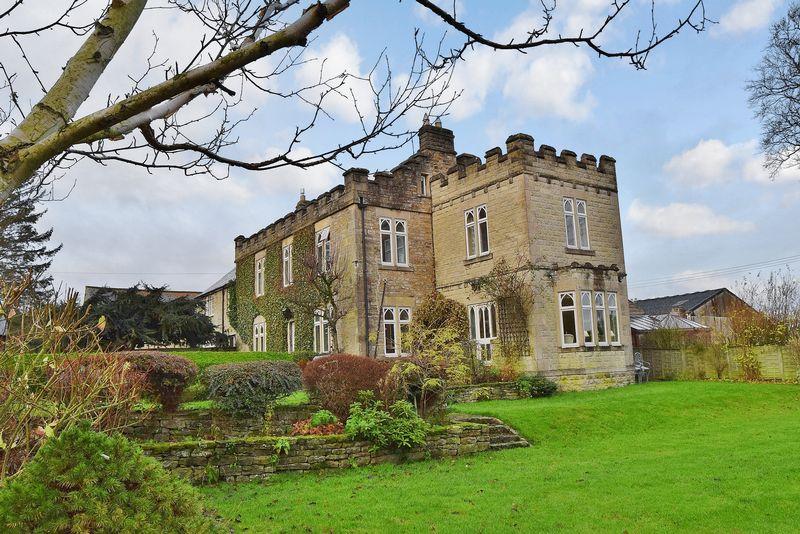
Renovation Projects for Sale UK: Understanding the Opportunity
Renovation projects for sale in the UK refer to properties that require varying levels of repair, refurbishment, or full transformation before they become livable or market-ready. These homes are often priced below standard market value, which creates a strong opportunity for buyers who are willing to invest time, planning, and renovation budgets. In today’s UK property market, these types of properties attract first-time buyers, investors, and homeowners looking for affordability and long-term value growth rather than immediate convenience.
The demand for renovation properties has increased due to rising property prices and limited availability of affordable move-in-ready homes. Buyers are now actively searching for ways to enter the housing market at lower costs while building equity through improvements. Renovation projects offer this pathway, but success depends on careful planning, accurate cost estimation, and understanding local property trends. When approached correctly, these properties can deliver strong financial returns and personalized living spaces tailored to individual needs.
Where to Find Renovation Projects for Sale in the UK
Finding renovation projects for sale in the UK requires knowing where distressed or value-add properties are listed. Major property platforms such as Zoopla and Rightmove often feature homes labeled as “in need of modernisation,” “fixer-upper,” or “investment opportunity.” In addition, property auctions are one of the most reliable sources for renovation deals, as many repossessed or inherited homes are sold below market value. Estate agents specializing in investment properties can also help identify hidden opportunities.
Beyond mainstream platforms, buyers should also explore local auction houses and government-backed property listings. Filtering search terms like “cheap renovation houses UK,” “abandoned properties,” or “rural fixer-uppers” can uncover less competitive deals. Networking with local agents is also important, as some of the best opportunities never reach public listings. Successful buyers often combine online research with offline connections to secure properties before they become widely advertised.
Types of Renovation Properties Available in the UK
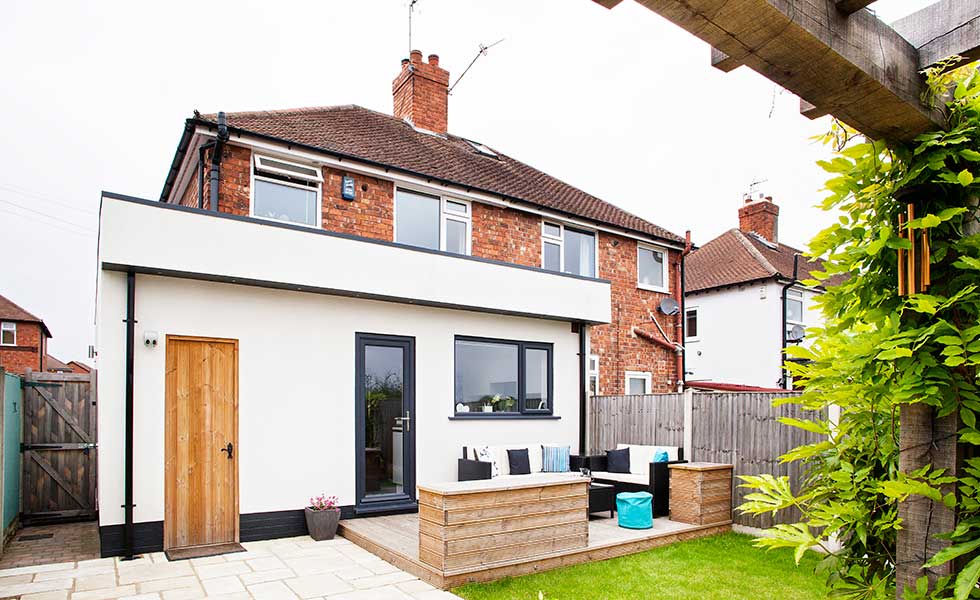
Renovation properties in the UK come in several categories, each offering different levels of investment potential and risk. Common types include cheap houses needing cosmetic updates, rural properties requiring structural repair, abandoned homes with long-term neglect, and auction properties sold due to repossession or inheritance. Each category requires a different level of renovation effort, from minor interior updates to complete structural rebuilds.
Understanding these categories helps buyers choose projects that match their budget and skill level. For example, cosmetic renovation properties are ideal for beginners, while abandoned or derelict homes are better suited for experienced investors. Rural renovation projects often offer lower purchase prices but may involve higher renovation costs due to accessibility or infrastructure issues. Selecting the right type of property is essential for balancing risk, cost, and potential return on investment.
Costs and Budgeting for Renovation Projects in the UK
Renovation costs in the UK vary significantly depending on property size, condition, and location. On average, a full home renovation can range from moderate budgets for small updates to very high costs for complete structural rebuilds. Kitchens, bathrooms, roofing, rewiring, and plumbing are often the most expensive elements. Buyers must also account for material costs, labor charges, planning permissions, and unexpected structural issues that may arise during the project.
In addition to visible renovation expenses, hidden costs are a major factor that many buyers underestimate. These can include survey fees, legal costs, council permissions, temporary accommodation, and contingency funds for unexpected repairs. A well-planned budget typically includes at least 10–20% extra for unforeseen issues. When properly managed, renovation projects can significantly increase property value, making the initial investment worthwhile over the long term.
Step-by-Step Process to Buy a Renovation Property
The process of buying renovation projects in the UK begins with property search and evaluation. Buyers should shortlist properties based on condition, price, and location, followed by arranging viewings and professional surveys. A structural survey is highly recommended to identify potential issues such as damp, subsidence, or outdated wiring. This step ensures buyers understand the full scope of work before committing financially.
Once a property is selected, the next steps involve negotiation, financing, and legal checks. Buyers often negotiate lower prices based on renovation requirements and survey findings. After securing financing through mortgages, renovation loans, or cash investment, legal conveyancing begins. After purchase completion, the renovation phase starts with careful project planning, contractor selection, and phased execution to ensure cost control and timely completion.
Risks, Legal Considerations, and Financing Options
Renovation projects carry certain risks that must be carefully managed. Common risks include structural damage, unexpected repair costs, planning permission delays, and contractor issues. Some properties may also have legal restrictions or require special permissions for major alterations. A thorough survey and legal check before purchase can significantly reduce these risks and prevent costly mistakes during renovation.
Financing options for renovation properties include traditional mortgages, renovation-specific loans, bridging finance, and personal savings. Some lenders offer products designed specifically for properties in poor condition, allowing buyers to fund both purchase and refurbishment. Insurance is also essential to protect against fire, structural damage, and accidents during construction. Proper financial planning ensures that the renovation project remains stable and does not exceed budget expectations.
Best Areas and Market Trends for Renovation Projects in the UK
Location plays a critical role in the success of renovation investments. In the UK, areas with strong growth potential often include developing urban regions, commuter towns, and affordable rural locations. Cities such as Manchester, Leicester, and parts of Greater London have shown consistent demand for renovated properties due to population growth and housing shortages. Choosing the right area ensures better resale value and rental income potential.
Market trends also show increasing interest in energy-efficient and sustainable renovations. Buyers are now prioritizing properties that can be upgraded to meet modern energy standards, including insulation, heating systems, and eco-friendly materials. Selecting a location with strong infrastructure, transport links, and employment opportunities increases long-term property value and reduces investment risk.
Frequently Asked Questions (FAQs)
Renovation projects for sale in the UK raise several common questions among buyers. One of the most frequent concerns is whether fixer-upper properties are a good investment. The answer depends on purchase price, renovation cost control, and location demand. When managed properly, these properties can deliver strong returns through increased market value or rental income, making them attractive long-term investments for both individuals and property developers.
Another common question involves how to find the right renovation property and estimate costs accurately. Buyers are advised to use property portals, auctions, and estate agents while also conducting professional surveys before purchase. Renovation costs vary widely depending on project scope, but careful budgeting and contingency planning are essential. Buyers also often ask about risks, and the key to minimizing them is thorough inspection, legal checks, and hiring experienced contractors for the renovation work.
You may also read: Buying and Renting Commercial Property