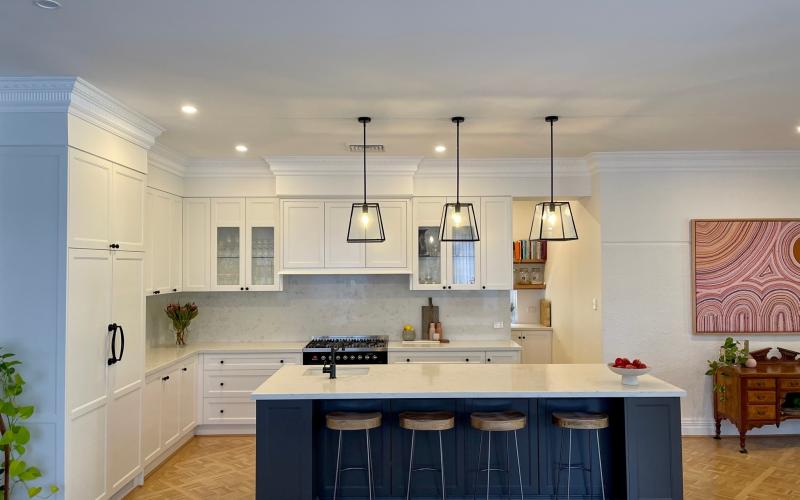
If you are planning a home refresh, you have probably hit the same question as most DIYers. Should you paint it, or should you wrap it? Both routes can deliver a big transformation without a full renovation, but they suit different surfaces, skill levels, and goals. The right choice depends on what you are working on and the finish you want.
Here is a practical way to decide whether vinyl or paint is the better fit for your next project, and when it makes sense to combine them.
Why vinyl wrapping is a go-to option
Vinyl wrapping has taken off because it offers instant change with very little mess. Most wraps are self-adhesive. You clean the surface, apply the sheet, smooth it down, and the new look appears straight away. There is no drying time and no brushes to wash.
Vinyl is especially useful when you want a consistent finish quickly. It is also popular in rented homes because many wraps are removable. If you change your mind or move out, you can peel it away.
Vinyl works best on smooth, flat surfaces such as cupboard doors, drawer fronts, panels, shelves, and worktops. These are areas where wrapping can make something look brand new in a single afternoon. For example, if your kitchen units are solid but dated, a vinyl wrap for kitchen cabinets can refresh the doors and drawers in hours rather than days.
Why paint still wins hearts
Paint remains a classic because it offers freedom. If you want a specific colour, a custom sheen, or a decorative effect, paint gives you options vinyl cannot. It also handles complex shapes far better. Anything with grooves, curves, beadwork, or heavy texture is usually easier to paint than to wrap.
Paint is good at hiding small dents, scratches, or uneven grain once you have filled and sanded them. Vinyl tends to reveal flaws because it sits on top of the surface.
The downside is time. Great paint results usually need cleaning, sanding, priming, and more than one coat. None of that is difficult, but it adds hours to a project.
Choosing based on your surface
A simple test is to look at the material and shape you are dealing with.
Smooth and flat
If the surface is flat and smooth, vinyl is often the easier choice. Cupboard fronts, laminate boards, tabletops, and MDF panels are ideal. Paint works too, but it will take longer and may need a primer to stop peeling on slick materials.
Curved, detailed, or textured
If the surface has curves, carving, grooves, or raised detail, paint is usually safer. Vinyl can struggle to bend neatly around profiles, and seams or lifted corners are more likely.
High-touch areas
Vinyl is strong for high-touch flat areas such as worktops and cupboard doors because it is wipe-clean and resists everyday scuffs. Paint can be durable as well, but longevity depends on good prep and the right topcoat.
Damaged or rough surfaces
If the surface is chipped, dented, or uneven, paint tends to win. You can sand and fill before painting, then the colour hides the rest. Vinyl needs a smooth base or every bump will show through.
Timeline and confidence
Vinyl is faster. Many projects are finished in one day, and you can use the surface immediately. Paint asks for patience. Even a small cabinet refresh can become a weekend job once you include prep and drying time.
Skill wise, vinyl needs careful measuring and slow smoothing rather than experience. Most wraps are repositionable while you work, so beginners can lift and reapply if something goes wonky. Paint is forgiving in a different way, but only if the prep was solid.
Temporary or permanent
Ask yourself if you want this look for a season or for years.
Vinyl is ideal for temporary updates. It is removable, so you can try bolder looks without committing long term. Paint feels more permanent. You can repaint later, but it is not designed to come off cleanly.
When combining both makes sense
You do not always need to choose just one. Using vinyl and paint together can create a more tailored result.
A common approach is wrapping flat panels and painting the frames or trims. For example, wrap cupboard doors for a wood or stone effect, then paint the cabinet carcasses a colour that suits the room. Or wrap a tabletop and paint the legs. This uses vinyl where it looks sharpest and paint where it handles shape and detail best.
Your project, your perfect finish
Vinyl and paint are both excellent DIY tools. Vinyl shines when you want a fast, low-mess makeover on smooth, flat surfaces like kitchen cupboards, furniture panels, and worktops. Paint is better for custom colours, textured or detailed pieces, and projects that need repair work before finishing.
Start with your surface, your timescale, and whether you want a removable update. In many homes, the smartest choice is a mix of both. Either way, careful prep and slow application are what make a budget project look genuinely high end.