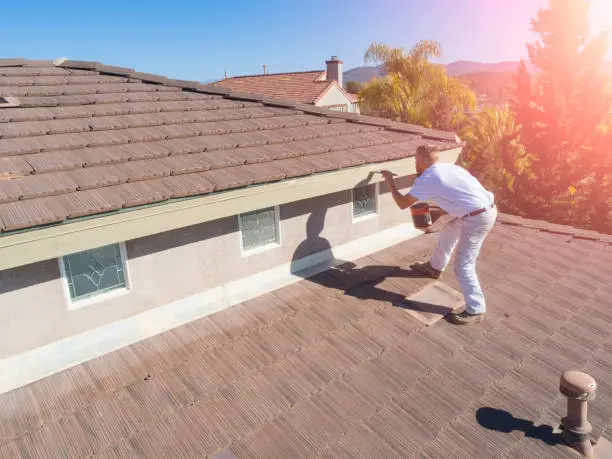
Your home represents one of the largest financial investments you’ll ever make. Whilst many homeowners focus on interior upgrades and landscaping, the exterior maintenance of your property—particularly your roof and paintwork—plays an equally crucial role in preserving and enhancing its market value. Regular upkeep of these elements isn’t simply about aesthetics; it’s about protecting the structural integrity of your home and ensuring it remains an appreciating asset for years to come.
The Hidden Cost of Neglected Maintenance
Properties with well-maintained exteriors can command premiums of 5-10% above similar homes showing visible wear and tear. Conversely, deferred maintenance creates a compound effect where small, manageable issues evolve into expensive structural repairs. A minor roof leak left unattended can compromise insulation, damage ceiling joists, promote mould growth, and eventually require complete replacement rather than simple repair—transforming a £500 fix into a £15,000 problem.
The same principle applies to exterior paintwork. When protective coatings deteriorate, moisture penetrates timber and masonry, causing rot, rust, and structural weakness. First impressions matter tremendously in property valuations, and peeling paint or stained render immediately signals neglect to potential buyers and surveyors alike.
Understanding Your Roof’s Warning Signs
Your roof works tirelessly to protect everything beneath it, yet it’s often the most overlooked component of home maintenance. Recognising early warning signs can prevent catastrophic failures and preserve your property’s value.
Missing or Damaged Tiles and Shingles
Wind, storms, and simple aging cause individual tiles to crack, slip, or disappear entirely. These gaps create entry points for water, which can quickly saturate insulation and structural timbers. During your seasonal inspections, use binoculars to scan for obvious damage, displaced materials, or areas where sunlight penetrates through gaps.
Sagging or Uneven Roof Lines
A healthy roof should present clean, straight lines. Any sagging, dipping, or waviness indicates potential structural problems beneath—possibly water-damaged rafters or inadequate support. These issues require immediate professional assessment, as they represent serious safety concerns beyond simple maintenance.
Granule Loss from Asphalt Shingles
If you notice significant granule accumulation in gutters or downpipes, your asphalt shingles are deteriorating. These protective granules shield the underlying material from UV damage. Once lost, shingles become brittle and vulnerable to cracking, dramatically shortening their lifespan.
Interior Water Stains and Dampness
Water stains on ceilings or upper walls provide clear evidence that your roof’s weather protection has failed. Even minor discolouration deserves investigation, as visible damage inside your home typically indicates extensive hidden deterioration within the roof structure.
When these signs appear, engaging roof restoration and exterior painting specialists becomes essential. Professional trades bring diagnostic expertise and years of experiences that prevents homeowners from addressing symptoms whilst missing underlying causes. Moreover, understanding how professional home improvement projects are planned and delivered ensures that restoration work proceeds systematically—identifying all related issues, prioritising repairs appropriately, and executing solutions that provide lasting protection rather than temporary fixes.
Strategic Repainting Cycles for Maximum Protection
Exterior paint serves as your home’s first defence against weather, UV radiation, and moisture intrusion. However, paint protection isn’t permanent, and strategic repainting cycles prevent deterioration from compromising your property’s value.
Climate-Based Repainting Schedules
Your location significantly influences how frequently exterior surfaces require repainting. Coastal properties endure salt spray and high humidity, typically needing attention every 4-5 years. Inland homes in temperate climates often maintain protection for 6-8 years, whilst properties in harsh, sun-intense environments may require repainting every 3-4 years.
These timelines assume quality paint application over properly prepared surfaces. Shortcuts during initial painting—skipping primers, inadequate surface preparation, or using inferior products—dramatically reduce protection lifespan and lead to premature failure.
Surface-Specific Considerations
Different exterior materials weather at varying rates. Timber cladding requires more frequent attention than rendered masonry. Metal fascias and soffits develop rust if protective coatings fail. Understanding these variations helps homeowners develop comprehensive maintenance schedules rather than reactive approaches.
The Preparation Imperative
Professional preparation separates lasting results from cosmetic coverage. Proper exterior painting involves pressure washing to remove dirt, algae, and loose material; scraping and sanding to create smooth, sound surfaces; treating bare timber with appropriate primers; filling cracks and gaps; and applying multiple coats of quality paint designed for exterior exposure.
This thoroughness explains why comprehensive roof restoration and home improvement services done by multi-trades service providers like TQN Construct deliver superior long-term value. Whilst DIY approaches may appear cost-effective initially, inadequate preparation and application typically result in premature failure, requiring complete redoing within 2-3 years instead of lasting the expected 6-8 years.
Weather’s Relentless Impact on Property Exteriors
Understanding how weather systems attack your home’s exterior helps you appreciate why maintenance matters and what to monitor.
UV Radiation Degradation
Ultraviolet radiation breaks down paint binders, causing chalking, fading, and loss of adhesion. Southern and western-facing walls receive the most intense exposure and typically show wear first. Quality exterior paints incorporate UV inhibitors, but these protective additives deplete over time, necessitating recoating.
Freeze-Thaw Cycles
In regions experiencing freezing temperatures, water penetrating small cracks and porous materials expands when frozen, widening gaps and accelerating deterioration. This cyclical process rapidly transforms minor surface cracks into structural damage requiring extensive repair.
Wind-Driven Rain
Standard vertical rainfall rarely penetrates properly maintained exteriors. However, storms drive rain horizontally with considerable force, finding any weakness in protective coatings, sealants, or roofing materials. Properties in exposed locations require particularly robust maintenance schedules.
Humidity and Condensation
Persistent moisture creates ideal conditions for mould, algae, and fungal growth. Beyond aesthetic concerns, these biological colonisers retain moisture against surfaces, accelerating paint failure and promoting wood rot. Regular cleaning and timely repainting prevent establishment of these damaging organisms.
Moisture Control: The Foundation of Property Preservation
Effective moisture management protects property value more than any other single maintenance activity. Water intrusion causes structural damage, promotes mould growth, compromises insulation efficiency, and creates conditions for timber decay and metal corrosion.
Gutter and Downpipe Maintenance
Blocked gutters overflow during rainfall, saturating fascias, soffits, and wall surfaces directly below. This concentrated water exposure quickly deteriorates paintwork and penetrates structural elements. Seasonal gutter cleaning—minimum twice annually—represents one of the most cost-effective maintenance activities available.
Proper Drainage Management
Ground-level drainage directs water away from foundations, preventing basement dampness and structural settling. Ensure downpipes discharge at least 1.5 metres from foundation walls, and maintain appropriate ground slopes that prevent pooling adjacent to your property.
Ventilation Requirements
Roof spaces require adequate ventilation to prevent condensation accumulation. Trapped moisture rots timber and saturates insulation, reducing its effectiveness and promoting decay. Soffit vents, ridge vents, or gable vents maintain airflow that carries moisture vapour away before it condenses.
Sealant and Flashing Inspection
Windows, doors, chimneys, and roof penetrations rely on sealants and flashing to maintain weather-tight barriers. These materials deteriorate over time, developing cracks that admit water. Annual inspection and prompt repair of compromised seals prevent water intrusion that damages interior finishes and structural elements.
Why Professional Standards Matter
Whilst enthusiastic homeowners can tackle many maintenance tasks, certain work demands professional expertise, proper equipment, and trade-specific knowledge.
Safety Considerations
Working at height presents serious injury risks. Professional trades maintain appropriate insurance, use proper safety equipment, and understand working regulations that protect both workers and property owners from liability.
Diagnostic Expertise
Experienced specialists identify underlying problems that casual observation misses. What appears as simple paint failure may indicate moisture intrusion requiring investigation and structural repair before repainting. Similarly, obvious roof damage often accompanies hidden deterioration requiring comprehensive assessment.
Quality Materials and Application
Professional trades access commercial-grade materials unavailable through retail channels and understand which products suit specific applications. Their experience prevents costly mistakes like applying incompatible products or using inappropriate solutions for particular exposure conditions.
Warranty Protection
Reputable specialists provide warranties covering both materials and workmanship. These guarantees protect your investment and demonstrate the tradesperson’s confidence in their work quality—assurance unavailable with DIY projects.
Creating Your Maintenance Schedule
Systematic maintenance prevents value-destroying deterioration whilst distributing costs across manageable annual budgets rather than creating periodic financial crises.
Seasonal Inspection Checklist
Spring and autumn provide ideal inspection opportunities. Examine roof surfaces for damage, check gutters and downpipes for blockages, inspect painted surfaces for deterioration, assess sealants around openings, and investigate any interior signs of moisture intrusion.
Budget Planning
Anticipate major repainting every 6-8 years and roof restoration every 15-25 years depending on materials and exposure. Setting aside 1-2% of your property value annually for maintenance and repairs ensures funds availability when work becomes necessary.
Documentation Practices
Photograph your property’s exterior annually from consistent positions. This visual record helps track gradual changes that might otherwise go unnoticed and provides valuable documentation for insurance purposes should weather events cause damage.
The Return on Maintenance Investment
Regular maintenance delivers measurable financial returns beyond simple value preservation. Properties with documented maintenance histories command premium prices because buyers recognise reduced near-term expenditure requirements. Additionally, well-maintained exteriors improve energy efficiency through intact insulation and weather sealing, reducing ongoing operational costs.
Research consistently demonstrates that preventive maintenance costs roughly one-fifth of reactive repair expenses. A £500 annual maintenance investment prevents potential £2,500-5,000 repair bills that arise when small problems evolve into structural issues.
Conclusion
Your property’s roof and exterior paintwork form critical protective barriers that determine whether your investment appreciates or deteriorates. Regular maintenance isn’t optional—it’s essential for preserving property value, preventing expensive structural damage, and maintaining your home’s visual appeal.
By understanding warning signs, implementing strategic maintenance schedules, and engaging qualified professionals like TQN Construct who have the experiences and expertise in this space when needed, you protect your financial investment whilst enjoying a beautiful, weather-tight home. The cost of prevention remains consistently lower than the expense of correction, making regular roof and paint maintenance one of the smartest financial decisions any property owner can make.
Remember, your home’s exterior faces relentless environmental challenges daily. The question isn’t whether maintenance will be required—it’s whether you’ll address needs proactively on your schedule and budget, or reactively when failure forces your hand at the worst possible time. Choose wisely, maintain regularly, and watch your property value remain strong for decades to come.