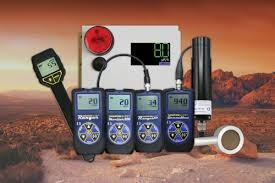
Radiation measuring devices serve as the frontline defense in nuclear facilities, medical institutions, research laboratories, and industrial applications where ionizing radiation poses potential risks. These instruments detect and quantify radiation levels, but their accuracy depends entirely on proper calibration protocols. When radiation detection equipment drifts out of specification, the consequences range from regulatory violations to serious safety incidents.
The Critical Role of Radiation Detection Accuracy
Radiation measuring instruments include survey meters, dosimeters, contamination monitors, and fixed area monitors. Each device type requires specific calibration approaches based on the radiation type it detects—alpha, beta, gamma, or neutron radiation. The fundamental challenge lies in the fact that radiation itself cannot be seen, felt, or otherwise sensed by humans until exposure reaches dangerous levels.
Organizations operating in nuclear power generation, medical radiology, industrial radiography, and environmental monitoring cannot afford measurement uncertainty in their radiation detection systems. Regulatory bodies including the Nuclear Regulatory Commission (NRC) and state radiation control programs mandate regular calibration with traceability to national standards. These requirements exist because radiation measurement errors can lead to worker overexposure, environmental contamination, or false safety assurances.
Understanding Radiation Detector Drift
Radiation measuring devices experience drift due to multiple factors. Electronic components age and change characteristics over time. Detector crystals or gas-filled tubes degrade with radiation exposure. Temperature fluctuations affect electronic circuits and detector response. Physical shocks during transport or use can misalign internal components.
Survey meters using Geiger-Mueller tubes may develop reduced sensitivity as the tube ages. Scintillation detectors can experience photomultiplier tube degradation. Ion chamber instruments may develop leakage currents that affect low-level measurements. Without regular calibration verification, these changes go undetected while measurements become increasingly unreliable.
Calibration Standards and Procedures
Proper radiation measuring device calibration requires reference radiation sources with known activity levels traceable to the National Institute of Standards and Technology (NIST). Calibration laboratories maintain sealed sources of cesium-137, cobalt-60, americium-241, and other isotopes specifically for this purpose. These sources undergo periodic verification to confirm their activity remains within certified limits.
The calibration process involves exposing the radiation detector to the reference source at specified distances to produce known radiation levels. Technicians compare the instrument’s displayed reading against the calculated expected value. Adjustments are made to bring the instrument response within acceptable tolerances, typically ±10% to ±20% depending on instrument type and application requirements.
SIMCO provides comprehensive radiation measuring device calibration services with ISO/IEC 17025 accreditation, ensuring measurements maintain traceability to national standards. Their radiation calibration laboratory houses multiple reference sources covering the energy ranges required for proper instrument characterization.
Frequency Requirements and Best Practices
Most regulatory frameworks require radiation measuring device calibration at least annually. However, organizations frequently implement more stringent internal requirements. Instruments used for personnel monitoring or in high-consequence applications often receive quarterly or semi-annual calibration. Devices subjected to heavy use, harsh environments, or physical impact should undergo immediate performance verification.
Beyond scheduled calibration intervals, organizations should implement operational checks before each use. These field checks typically involve exposing the instrument to a long-lived check source to verify the response falls within expected parameters. While not a substitute for formal calibration, daily checks identify gross failures before the instrument enters service.
Documentation requirements accompany calibration activities. Calibration certificates must identify the instrument, calibration date, standards used, results obtained, and any adjustments performed. Organizations maintain these records throughout the instrument’s service life to demonstrate regulatory compliance and support quality assurance programs.
Consequences of Calibration Neglect
The implications of using uncalibrated radiation measuring devices extend beyond regulatory violations. Under-responsive instruments provide false low readings, potentially allowing hazardous radiation exposures to workers or the public. Over-responsive instruments create unnecessary alarm responses, evacuation procedures, and operational disruptions.
Legal liability represents another significant concern. If worker radiation exposure exceeds regulatory limits due to faulty radiation detection equipment, organizations face potential citations, fines, and civil litigation. Demonstrating a robust calibration program provides documented evidence of due diligence in radiation protection efforts.
Selecting a Qualified Calibration Provider
Organizations must verify their calibration provider maintains proper accreditation for radiation measuring device calibration. ISO/IEC 17025 accreditation from recognized accreditation bodies confirms the laboratory operates according to internationally accepted quality standards. The laboratory’s scope of accreditation should specifically include the radiation types and instrument models requiring calibration.
SIMCO’s radiation calibration capabilities extend across the full range of portable and fixed radiation detection equipment used in nuclear facilities, medical centers, and industrial operations. Their calibration services include on-site calibration options for fixed monitoring systems that cannot be easily transported.
Maintaining Measurement Confidence
Radiation measuring device calibration represents a non-negotiable element of radiation safety programs. The invisible nature of ionizing radiation demands absolute confidence in detection equipment performance. Regular calibration with proper traceability provides that confidence, protecting workers, the public, and the environment from radiation hazards while maintaining regulatory compliance.
Organizations that prioritize calibration quality demonstrate their commitment to safety excellence. In radiation work, measurement accuracy quite literally can mean the difference between safe operations and catastrophic consequences. The investment in proper calibration represents a small fraction of the potential costs associated with radiation incidents resulting from measurement failures.