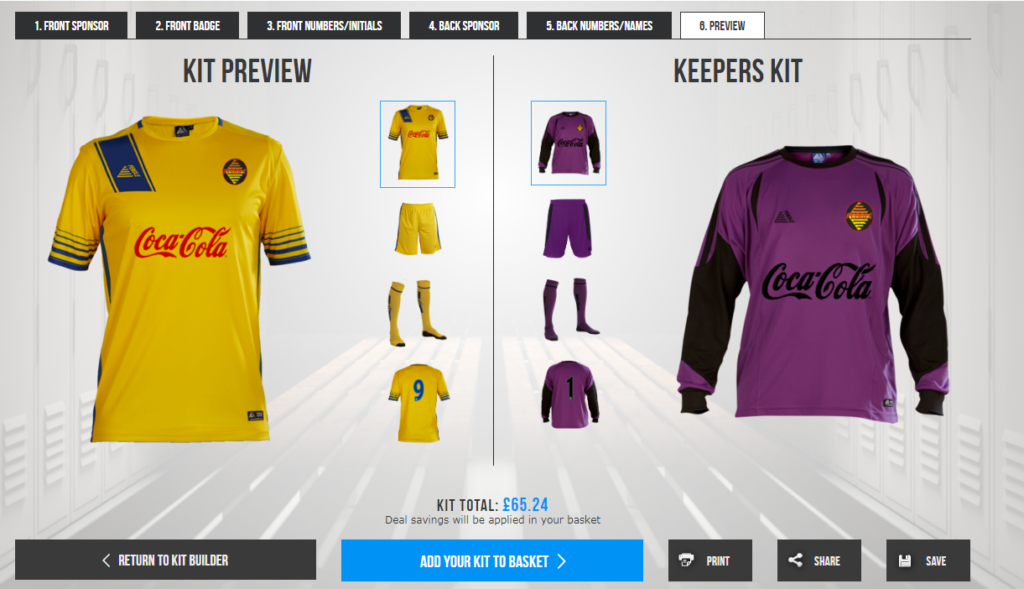
Pendle Sportswear is a long-established name in UK grassroots football, and many clubs search for it when they want affordable kits, training wear, and a supplier that understands how team orders work in the real world. Rather than acting like a fashion-led sportswear label, Pendle is positioned as a direct-to-club teamwear provider that has supplied football clubs since 1977. Its current offering includes football kits, training wear, footballs, club shops, and customisation services, which makes it relevant to schools, youth teams, amateur clubs, and community organisations that need more than just a single match shirt.
What makes Pendle Sportswear worth discussing is not only its history, but the practical reasons clubs continue to consider it. Buyers usually want to know whether the brand is good value, how quickly customised kits are dispatched, what products are available, and whether the ordering process is simple enough for managers and volunteers. Those are the questions that matter most when a club is buying for an entire squad, and they are exactly the areas where Pendle tries to differentiate itself through direct supply, in-house customisation, broad kit choice, and club-focused ordering support.
Why Pendle Sportswear Appeals to Grassroots Football Clubs
One reason Pendle Sportswear remains visible in the football market is that it is clearly built around grassroots needs rather than top-end retail branding. Clubs at local and amateur level usually care about repeat ordering, sensible prices, clear customisation, and reliable delivery more than flashy marketing. Pendle’s current site reflects that focus by promoting football teamwear, direct supply to clubs, in-house printing, and a wide range of football kit options. That gives it a practical identity in the market and helps explain why it continues to attract teams that need a supplier capable of handling real club requirements throughout a season.
The brand also strengthens its position by offering more control over the process than many general retailers. Pendle says it designs, tests, stocks, customises, and dispatches its own products, which means buyers are dealing with one supplier rather than multiple third parties. For clubs, that can make a big difference because problems with artwork, reorders, sizing consistency, or replacement items are easier to solve when the supplier controls more of the workflow. That kind of operational simplicity matters a great deal to coaches, organisers, and schools that do not have time for complicated ordering systems.
Pendle Sportswear Football Kits and What Buyers Can Expect
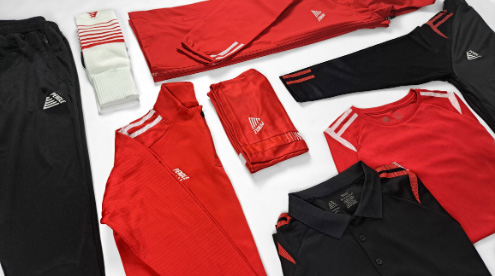
Pendle Sportswear offers a wide football range that goes beyond a basic shirt-and-shorts package. Its football-kit section includes adult, kids’, and women’s categories, along with shirts, shorts, socks, goalkeeper items, and kit-builder options. The brand also highlights more than 100 styles and colour combinations, giving clubs room to create a look that feels distinctive without needing a fully bespoke manufacturing route. For buyers, that balance between variety and simplicity is useful because it allows a team to build a recognisable identity while still ordering through a standardised and relatively straightforward process.
Another important point is that Pendle does not stop at matchday clothing. The wider football offering also includes training wear, footballs, training equipment, and club-related extras that support the full season rather than only the first kit order. That broader product range matters because many clubs prefer one supplier that can cover shirts, warm-up clothing, outerwear, and training essentials instead of managing several separate vendors. When a supplier can handle more of the club’s ongoing needs, it becomes more appealing as a long-term option rather than a one-time purchase destination.
Pricing, Value and Why Cost Matters to Clubs
Value is one of the strongest reasons clubs look at Pendle Sportswear in the first place. Pendle’s football-kit pages currently state that shirts start from £7.99, shorts from £4.99, and socks from £3.19, while the site also promotes full team kit deals from as little as £165 for selected bundles. Those numbers matter because most grassroots clubs are working within tight budgets, and teamwear decisions are rarely based on style alone. Price becomes even more important when a club is buying for multiple age groups, replacing items during the season, or trying to keep participation affordable for players and parents.
However, value is not only about finding the cheapest possible product. Clubs also look at what they receive for the money, including delivery speed, durability, customisation options, and the ease of adding extra kits later. Pendle presents itself as a supplier that combines lower pricing with direct selling, in-house handling, and extra club tools, which is why many buyers may see it as a good-value option rather than simply a budget option. In football teamwear, the overall ordering experience often matters just as much as the price printed next to the shirt.
Customisation, Club Shops and the Ordering Experience
Customisation is a major part of Pendle Sportswear’s appeal because football kits are rarely bought plain. Clubs want badges, sponsors, squad numbers, initials, and a finished look that feels organised and professional. Pendle says most products can be personalised through its online kit builder, allowing users to upload artwork and choose custom options more efficiently. For team managers and club volunteers, that kind of self-service tool can save time and reduce confusion, especially when several people are involved in the buying process and everyone wants the final kit to look consistent across the club.
Pendle also places significant emphasis on online club shops, and its current site says it supplies more than 1,800 club shops in the UK. These shops are designed to help clubs keep teamwear consistent while giving managers and players a more organised way to order products. The setup includes separate areas for managers and for parents or players, along with support from a dedicated account manager. For clubs with several teams, that structure can reduce admin pressure and make repeat ordering much easier, which adds another layer of value beyond the garments themselves.
Delivery, Quality Control and Buyer Confidence
Speed is a major selling point in football teamwear, especially when clubs are ordering close to the start of a season or need top-up items quickly. Pendle’s current football-kit pages say printed kits are dispatched within two working days once artwork is confirmed, while the delivery page adds that non-customised items can be sent the same working day if ordered before 2 p.m. The site also notes that sublimated football shirts can take around four weeks after order confirmation. These details matter because delivery expectations should be realistic, and clubs need to know the difference between standard printed kit turnaround and more specialised production timelines.
Buyer confidence is also shaped by quality assurance and support. Pendle highlights that its products are designed and tested in-house, and its site states that the company holds ISO 9001 certification for quality management systems linked to the design, customisation, and supply of teamwear. It also promotes a sample service, which can be useful for clubs that want to check garments before committing to a larger order. Those signals help strengthen trust because they show the company is not relying only on marketing claims; it is also trying to give clubs structured reasons to feel confident about what they are ordering.
Is Pendle Sportswear a Good Choice for Your Club?
Pendle Sportswear looks particularly well suited to grassroots football clubs, school teams, youth academies, and community organisations that need a dependable, repeatable system for buying teamwear. Its strongest advantages appear to be direct supply, football-specific product depth, accessible pricing, club-shop support, and relatively fast dispatch for many customised orders. That makes it a sensible option for buyers who are comparing teamwear suppliers based on real-world factors such as convenience, cost control, and the ability to keep club branding consistent across different squads and seasons.
For searchers looking up Pendle Sportswear, the brand is therefore best understood as a club-focused football supplier rather than a general sportswear name. Its current product mix, ordering tools, and delivery structure are designed to help teams buy and manage football clothing more efficiently. If the goal is to find a supplier that offers football kits, training wear, customisation, and club-order support under one roof, Pendle Sportswear stands out as a practical and established option in the UK grassroots football market.
Frequently Asked Questions About Pendle Sportswear
Is Pendle Sportswear good value? Pendle appears to compete strongly on value because it combines entry-level kit pricing with team deals, direct supply, and club-focused ordering tools. That combination can make it attractive for clubs that need to manage budgets carefully without losing access to customisation or quick turnaround on standard printed kits.
What does Pendle Sportswear sell? Pendle sells football kits, training wear, footballs, training equipment, and club-related products, with its current site placing particular emphasis on football teamwear and wider grassroots-club needs. This makes it more than a shirt supplier and helps clubs handle multiple purchasing needs through one brand.
How fast is Pendle Sportswear delivery? Standard non-customised items can be dispatched the same working day before the cut-off time, while many printed kits are dispatched within two working days after artwork confirmation. Sublimated items can take longer, so clubs should always match their order type to the timeline they actually need.
Can Pendle kits be customised? Yes. Pendle says most products can be personalised using its online kit builder, which supports badges, sponsors, and other common football customisation requirements. That makes it easier for clubs to build a consistent identity across both matchday and training wear.
You may also read: TeamSport Locations Across the UK