Cervical cancer is one of the most preventable forms of cancer, yet it remains a significant health concern for women worldwide. Advances in vaccination, screening technologies, and lifestyle understanding have significantly improved prevention and early detection.
When women are informed about risk factors, cervical cancer can be prevented or treated before it becomes life-threatening. Knowing the tools and habits that reduce risk enables women to take control of their long-term health.
Understanding Cervical Cancer And Its Causes
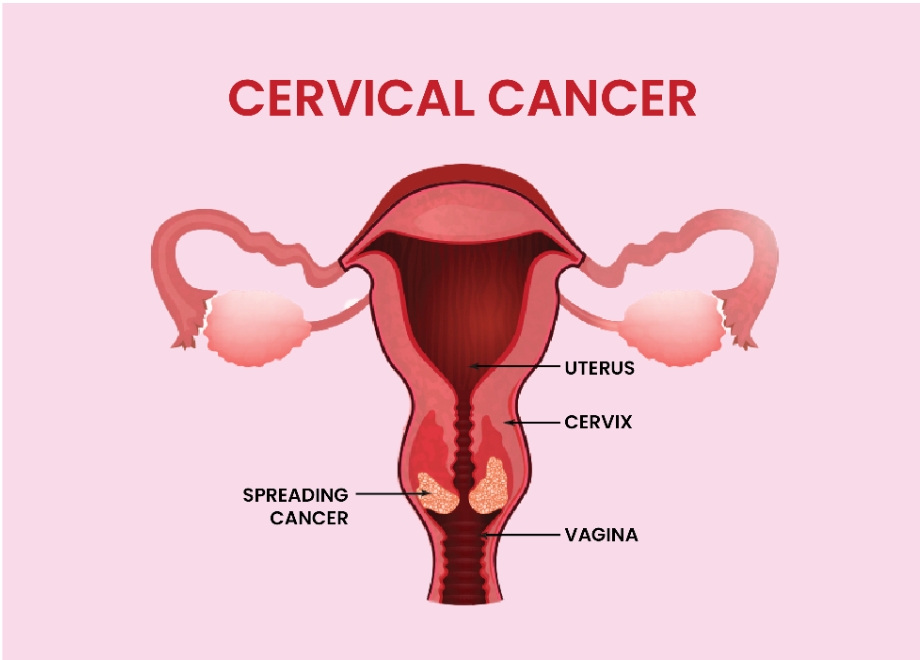
Cervical cancer begins in the cells lining the cervix, the lower part of the uterus that connects to the vagina. The primary cause of cervical cancer is persistent infection with certain types of human papillomavirus (HPV), a common sexually transmitted virus. Most HPV infections resolve on their own, but when high-risk HPV types persist, they can cause abnormal cell changes that may progress to cancer over time.
The Role Of HPV Vaccine In Prevention
The HPV vaccine is a vital tool in cervical cancer prevention. It protects against the most common high-risk HPV types responsible for the majority of cervical cancer cases. Health authorities recommend vaccination for girls and boys before becoming sexually active, usually between ages 9 and 14, although adults up to age 26 (and in some cases older) may also benefit.
How HPV Vaccination Works
HPV vaccines stimulate the immune system to produce antibodies that prevent infection from specific HPV types. They do not treat existing HPV infections or cervical abnormalities, but are most effective when given before exposure. Most vaccines protect against HPV types 16 and 18, which together cause about 70% of cervical cancers, and some cover additional types that cause genital warts and other cancers. Widespread vaccination reduces HPV circulation in communities and provides protection on a population level.
Screening Tests To Detect Cervical Abnormalities Early
Screening tests identify abnormal cervical cells before they develop into cancer. The most common screening tools are the Pap smear (Pap test) and HPV DNA test. A Pap smear examines cells from the cervix for abnormalities, while the HPV test detects high-risk HPV types. In many settings, both tests are used together (co-testing) to improve detection. Regular screening enables early intervention and prevents the progression of precancerous changes.
Recommended Screening Guidelines
Screening recommendations vary by age and health history, but most guidelines suggest that women begin cervical screening at age 21. From ages 21 to 29, a Pap test every three years is recommended. From age 30 to 65, co-testing with Pap and HPV tests every five years is preferred, or Pap testing every three years if HPV testing is unavailable.
Women with specific risk factors may require more frequent screening. Regular screening remains essential even for vaccinated individuals because vaccines do not cover all cancer-causing HPV types.
The Importance Of Follow-Up After Abnormal Results
An abnormal screening result does not automatically mean cancer. It usually indicates cellular changes that require closer monitoring or further testing. Follow-up procedures may include repeat testing, colposcopy (a detailed examination of the cervix), and biopsy. Early identification and treatment of high-grade precancerous lesions effectively prevent progression to cervical cancer. Prompt follow-up care is an important part of successful prevention strategies.
Healthy Lifestyle Habits That Reduce Cancer Risk
While HPV infection is the main cause of cervical cancer, lifestyle factors also influence risk. Tobacco use has been linked to persistent HPV infections and cervical cell abnormalities, making smoking cessation an important preventive step. Maintaining a balanced diet rich in fruits, vegetables, and antioxidants supports immune health. Regular physical activity, a healthy weight, and safe sexual practices, including condom use and limiting the number of sexual partners, further reduce risk.
Reducing Barriers To Prevention And Care
Access to vaccination, screening, and follow-up care is essential for effective cervical cancer prevention. Socio-economic barriers, lack of awareness, and limited healthcare access can impact prevention efforts. Public health campaigns, community education, and accessible clinical services encourage women to participate in screening programs and receive recommended vaccinations.
Emotional And Educational Support For Women
Being informed and supported emotionally is an important part of preventive care. Women who understand the importance of screening and vaccination are more likely to engage in preventive behaviors. Healthcare specialists play a key role in counseling women about risks, answering questions, and reducing fears related to pelvic exams or vaccination. Support networks, including peer groups and educational resources, provide encouragement and reduce anxiety about prevention measures.
Making Informed Choices And Accessing Care
Prevention of cervical cancer depends on informed choices and timely access to preventive services. Women should discuss vaccination and screening options with their doctor, understand the recommended schedules, and ask about follow-up care if needed. Combining vaccination, routine screening, healthy lifestyle habits, and community support offers the best chance to reduce cervical cancer incidence and improve long-term health outcomes.
Delhi has become a popular hub for quality gynecological and oncology services, and women can undergo the best cervical cancer treatment in Delhi using multidisciplinary care that supports prevention, early detection, and comprehensive management of cervical health.