Electric vehicle ownership in the UK has entered a new phase in 2026. With electricity pricing stabilising compared to previous years and more suppliers refining EV-specific tariffs, choosing the best EV tariff has become one of the most effective ways to reduce the real cost of driving electric. While public charging remains expensive, home charging on the right tariff can still cost a fraction of petrol or diesel per mile.
However, the EV tariff market has changed noticeably since last year. Suppliers have adjusted off-peak windows, tightened eligibility rules, and introduced smarter charging options that didn’t exist in earlier versions of these tariffs. As a result, older advice no longer reflects what actually ranks or works today. This guide explains the current 2026 EV tariff landscape, what is ranking now, and how UK drivers can choose the best EV tariff based on how they actually charge.
What an EV Tariff Means in 2026

An EV tariff in 2026 is no longer just a “cheap overnight electricity deal”. Most leading tariffs now depend on half-hourly smart meter data, smart charging behaviour, and in some cases, app-based control of when and how your car charges.
In practical terms, an EV tariff offers reduced electricity prices during specific low-demand periods, most commonly overnight. These lower rates are designed for home charging and can be two to four times cheaper than daytime electricity. The best EV tariff applies these savings consistently without pushing the rest of your household energy costs too high.
What has changed in 2026 is that many suppliers now prioritise controlled charging rather than fixed schedules. This means the cheapest rates often depend on allowing the supplier or charger to manage charging within agreed limits, rather than simply plugging in at a fixed time every night.
The Two EV Tariff Types That Actually Matter Today

Although suppliers market EV tariffs in many different ways, in reality there are only two tariff structures that matter for ranking and real savings in 2026.
Time-of-use EV tariffs apply cheaper electricity rates to the entire household during set overnight hours. These are still popular because they allow drivers to charge their EV and run household appliances at lower cost. However, peak daytime rates are often higher than standard tariffs, meaning these plans only work well if a significant amount of energy use can be shifted overnight.
Smart or EV-only tariffs apply discounted electricity only when the vehicle is charging. These tariffs rely on smart chargers or compatible vehicles and are now increasingly popular because they allow flexible charging at different times of day without affecting household electricity prices. In 2026, these tariffs are often the best EV tariff option for drivers who cannot rely on overnight charging alone.
What Makes the Best EV Tariff in 2026
The best EV tariff in 2026 is defined by overall usability, not just the lowest advertised pence-per-kWh rate. Google’s top-ranking pages focus on real-world outcomes, and so should your content.
Off-peak duration is one of the most important factors. A six-hour charging window provides far more flexibility than a short five-hour window, especially for larger batteries or colder winter conditions when charging takes longer.
Peak pricing is equally important. Some tariffs offset cheap overnight rates with very expensive daytime electricity. For households that cannot move most energy use to off-peak hours, these tariffs can increase total bills despite cheaper EV charging.
Eligibility has also become stricter in 2026. Many of the lowest-cost EV tariffs now require a compatible EV, a smart charger, and a smart meter capable of half-hourly readings. The best EV tariff for one household may simply be unavailable to another due to these requirements.
Best EV Tariff for Overnight Home Charging in 2026
For drivers who charge at home most nights, overnight EV tariffs remain the cheapest way to power an electric car. The best EV tariff for overnight charging typically offers a clearly defined low-rate window between late evening and early morning.
In 2026, overnight charging on a standard 7kW home charger usually allows most EVs to reach a full or near-full charge within the off-peak window. This makes overnight tariffs particularly effective for commuters who drive predictable daily distances.
However, the difference compared to older advice is that drivers now need to pay closer attention to exact timing. Some tariffs operate on GMT rather than local clock time, meaning charging times shift during daylight saving changes. The best EV tariff accounts for this clearly and allows users to adjust schedules easily.
Best EV Tariff for Daytime or Irregular Charging
Not every EV owner can rely on overnight charging. In 2026, this group has grown significantly due to flexible working patterns, higher mileage driving, and shared household chargers.
The best EV tariff for daytime charging now tends to be smart-controlled EV-only tariffs. These plans allow charging at various times while still applying a discounted rate to the vehicle. Instead of fixed windows, the system schedules charging when electricity is cheapest within a given timeframe.
While these tariffs usually do not discount household electricity, they prevent drivers from paying full peak prices when daytime charging is unavoidable. For many households, this trade-off produces more reliable savings than traditional overnight-only tariffs.
Smart Meters, Chargers, and Compatibility in 2026
By 2026, a smart meter is effectively mandatory for almost all EV tariffs that offer meaningful savings. Suppliers require half-hourly readings to apply variable pricing correctly, and without this data, access to the best EV tariff options is extremely limited.
Smart chargers have also become more important. Many modern EV tariffs integrate directly with chargers or vehicles to manage charging automatically. While this improves efficiency, it also means drivers must check compatibility carefully before switching.
For households without smart chargers, some basic overnight EV tariffs still exist. However, these are increasingly less competitive, and in many cases, upgrading charging equipment unlocks significantly better long-term savings.
How Much You Can Actually Save With the Best EV Tariff
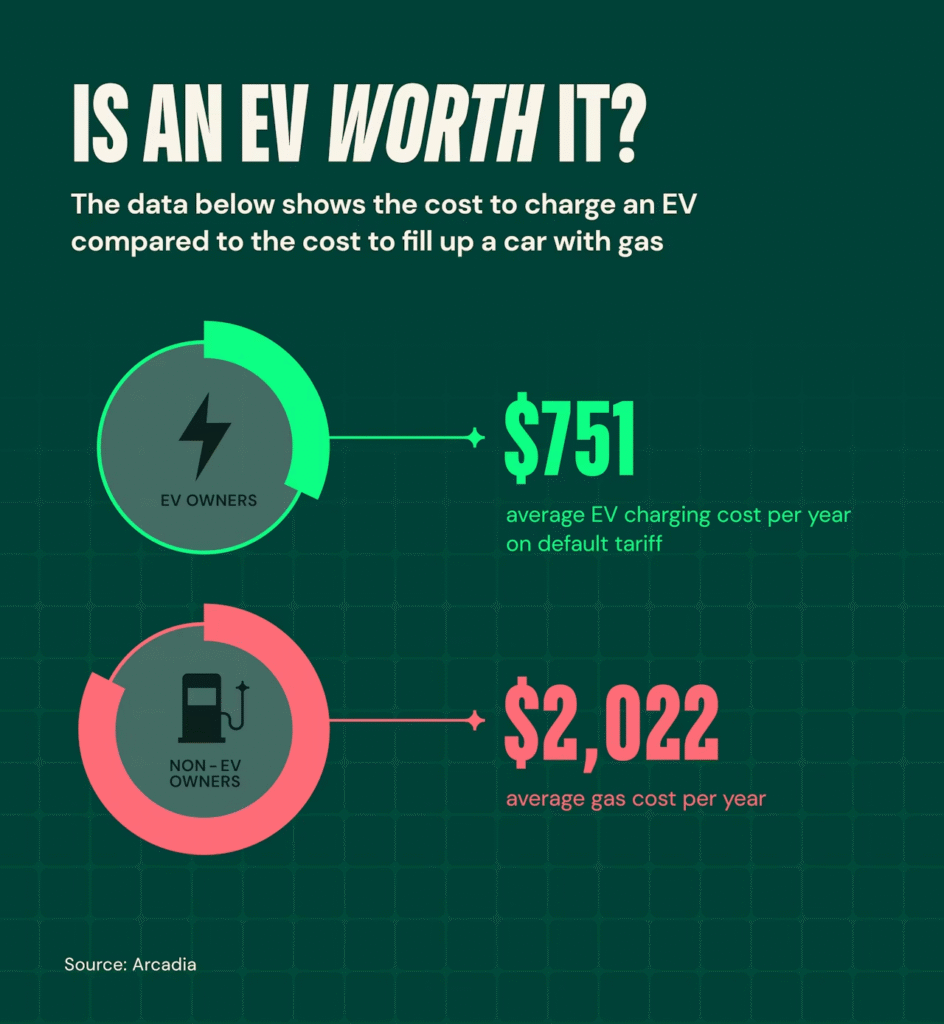
In 2026 pricing conditions, the difference between charging on a standard electricity tariff and the best EV tariff remains substantial. A typical UK driver covering around 9,000 miles per year may still spend over £500 charging on standard rates.
Using an EV tariff with consistent off-peak pricing can reduce that figure to around £130–£170 annually, depending on vehicle efficiency and charging behaviour. Even when occasional peak-rate charging is required, total savings usually remain significant.
Importantly, these savings are more predictable when the tariff matches real usage patterns. The best EV tariff is one that you can use correctly every week, not one that only looks good on paper.
EV Tariffs for Homes With Solar Panels or Batteries in 2026
Solar and battery households require a more careful approach in 2026 than in previous years. Some EV tariffs allow cheap overnight electricity to be stored in home batteries, which can then be used during peak daytime periods.
When combined with solar generation, this setup can dramatically reduce reliance on expensive electricity. However, not all EV tariffs are suitable for homes with export agreements, and some impose restrictions that reduce the value of solar systems.
The best EV tariff for solar homes balances overnight import costs, export rates, and battery usage rules, rather than focusing solely on EV charging prices.
Common Reasons EV Tariffs Fail to Deliver Savings
Many EV owners switch tariffs expecting large savings and are disappointed. In 2026, the most common reason is poor alignment between tariff design and real-world behaviour.
Households that continue using most electricity during peak hours often see daytime costs outweigh overnight savings. Others choose tariffs that require smart charging but never fully enable or use the smart features.
Another frequent issue is ignoring standing charges and exit fees. While these costs are easy to overlook, they can significantly affect annual value, especially for low-mileage drivers.
How to Choose the Best EV Tariff for Your Situation
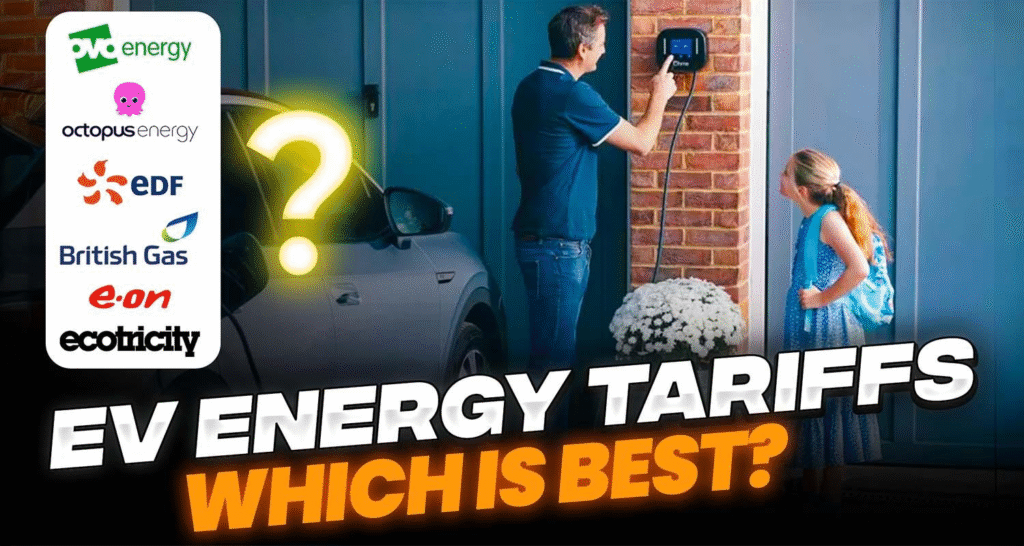
Choosing the best EV tariff starts with honesty about how you charge. Drivers who reliably charge overnight benefit most from time-of-use tariffs, while those with irregular patterns should prioritise flexible EV-only options.
Household electricity usage also matters. If appliances can be shifted overnight, whole-home tariffs offer additional savings. If not, EV-only tariffs reduce risk.
In 2026, checking eligibility is critical. Before switching, confirm smart meter capability, charger compatibility, and tariff conditions based on your postcode. The best EV tariff is always the one you can actually use as intended.
Conclusion
The best EV tariff in the UK in 2026 is no longer defined by a single cheap rate or supplier name. It is defined by fit — how well the tariff matches your charging habits, equipment, and household energy use.
EV tariffs remain one of the most powerful ways to cut the cost of electric driving, but only when chosen carefully. With smarter pricing, stricter eligibility, and more controlled charging now shaping the market, up-to-date information is essential.
By focusing on how tariffs work today rather than relying on outdated advice, UK EV owners can still achieve substantial savings and keep electric driving affordable well into 2026 and beyond.
You may also read: Installing Latch Locks for Gates