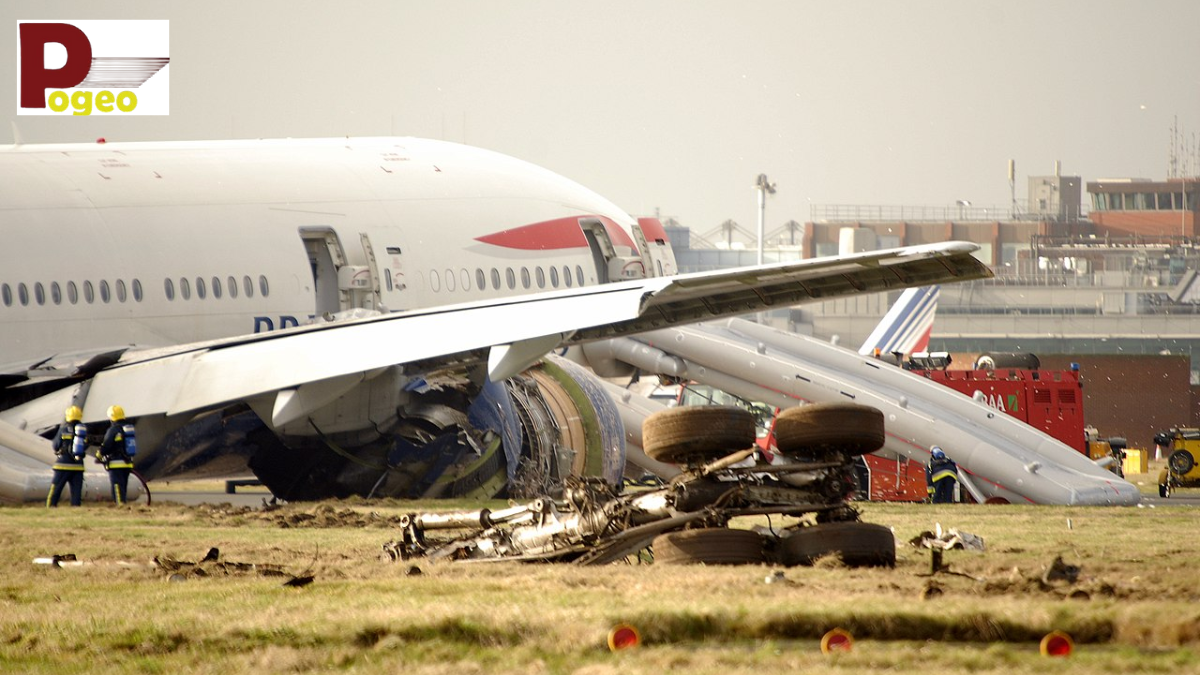
Recent months have seen several british airways flight emergency landing events that have drawn widespread attention due to technical issues, precautionary diversions and rare mechanical failures. These incidents highlight the complexities of modern aviation safety and the highly trained response required when an aircraft encounters problems in flight or shortly after takeoff.
In the most recent event, a British Airways aircraft returned to Sydney Airport after the flight crew issued a mayday call due to a precautionary technical concern. The aircraft landed normally with emergency vehicles present on standby, and all passengers disembarked safely without injuries.
Separately, dramatic footage captured a British Airways Airbus A350 losing one of its landing gear wheels shortly after lifting off from Las Vegas, yet the plane continued its journey and made a safe arrival at London Heathrow.
These incidents, while unsettling to witness, underscore how airlines prioritise safety and follow rigorous procedures when handling unexpected situations.
What Happened During the Sydney Emergency Landing
One of the most recent british airways flight emergency landing cases occurred on a long‑haul service departing Sydney, Australia. Shortly after departure, the pilots determined there was a concern with an aircraft system and issued a mayday call — the highest level of emergency communication recognised globally.
Emergency response teams including fire and rescue vehicles were positioned on the runway in anticipation of a precautionary landing. The flight touched down normally, and all passengers were safely escorted off the aircraft. British Airways stated the aircraft returned as a precaution due to a technical issue, emphasising that passenger safety was their top priority.
Although the specific fault was not publicly detailed, this incident shows how pilots make decisive choices when there is any uncertainty about an aircraft’s condition. Such procedures are part of strict safety protocols designed to protect passengers and crew.
Las Vegas Incident: Wheel Detachment Yet Safe Landing
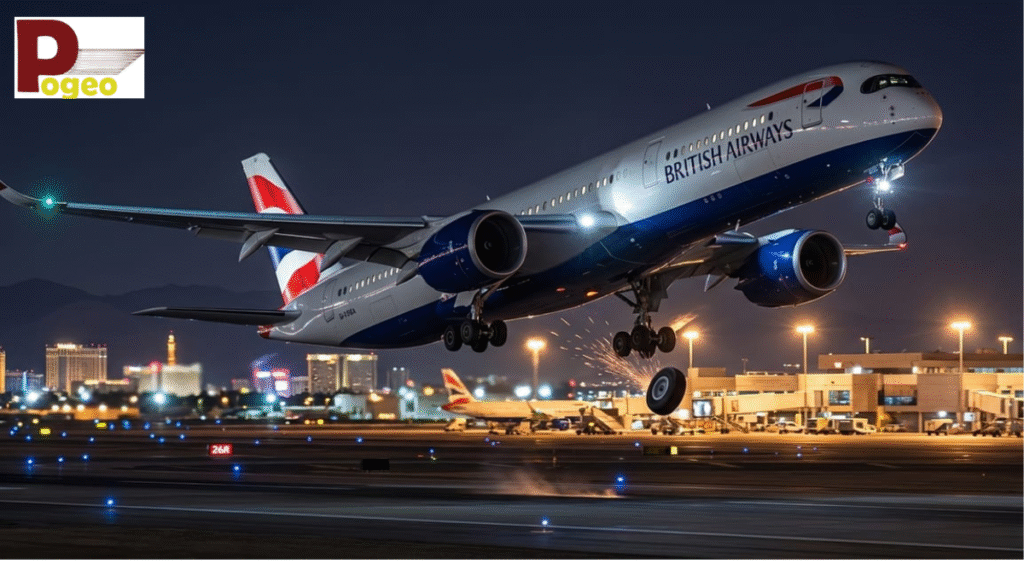
In a separate but widely shared event, a British Airways A350‑1000 operating as Flight BA274 experienced a dramatic apparent wheel detachment from its landing gear shortly after takeoff from Harry Reid International Airport in Las Vegas. Video footage showed sparks before one of the main landing gear wheels separated from the aircraft.
Despite the alarm‑causing moment, the aircraft continued its long‑haul flight toward London Heathrow and landed safely more than nine hours later. Authorities confirmed there were no injuries, and the missing wheel was later recovered from the airfield.
The Federal Aviation Administration (FAA) and other aviation authorities have opened investigations into the cause of this mechanical issue. British Airways reiterated its commitment to safety and cooperation with investigators.
Why Pilots Issue a Mayday or Squawk 7700
In commercial aviation, the decision to declare an emergency such as a mayday or transmit Squawk 7700 is never taken lightly. Both codes alert air traffic controllers and ground services that an aircraft requires immediate priority handling due to a serious situation.
Mayday Call: This verbal announcement indicates a critical problem requiring urgent action. It triggers a full emergency response from airport and aviation personnel.
Squawk 7700: This is a transponder code that signals a general emergency, prompting air traffic control to give that flight priority over others in the sky. Squawk 7700 is routinely used when pilots detect severe technical faults or safety risks.
In some cases, pilots may use these emergency declarations to ensure rapid cooperation and response from ATC and ground teams, even if the issue is precautionary.
How British Airways Handles Emergency Situations
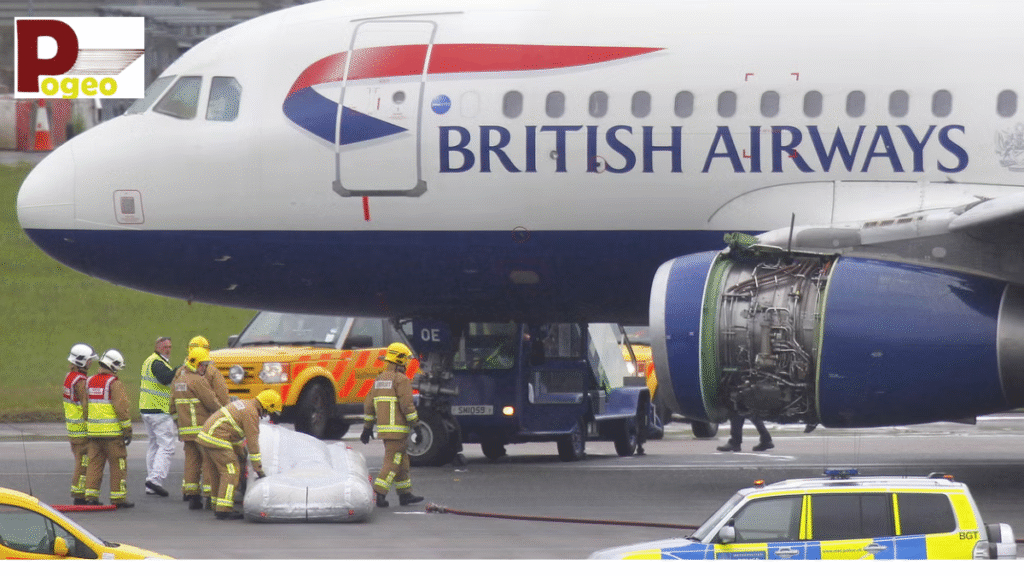
The safety culture at major airlines like British Airways focuses on layered risk management. When a british airways flight emergency landing occurs:
- Pilots assess systems and make priority decisions based on standard operating procedures.
- Air traffic controllers are informed immediately, providing priority routing and clearance.
- Emergency services are positioned on the ground to be ready if needed.
- Passengers receive clear instructions from cabin crew trained for emergency communication and procedures.
This structured approach minimises risk and ensures safety even when an incident initially appears serious. Crew members regularly undergo training for diverse scenarios, from cabin system alerts to landing‑gear anomalies.
Passenger Experience and Airline Response
From a passenger perspective, experiencing an emergency landing can be stressful. Often, passengers hear announcements that something is not right and may feel turbulence or unusual aircraft behaviour before pilots choose a diversion.
In the Sydney and Las Vegas cases, there were no injuries, and passengers were assisted with onward travel arrangements once the aircraft landed safely. British Airways routinely issues statements to reassure customers and outline next steps after an emergency event.
Airlines also use follow‑up communication to explain why these decisions were made, supporting transparency and trust.
The Broader Context of Aircraft Emergencies
While the terms emergency landing or mayday call might provoke concern, they are part of aviation’s safety framework. Planes are designed with multiple redundancies, and pilots are trained to respond to a broad range of scenarios.
Globally, commercial flights make thousands of safe emergency landings every year due to technical faults, suspected smoke or fumes, medical emergencies, or precautionary reasons — not all involve crashes or injuries.
This context helps readers understand that the modern aviation system is robust, and emergency responses are a sign of safety protocol effectiveness, not necessarily imminent danger.
Conclusion: Safety First in Every British Airways Flight
Recent british airways flight emergency landing events reflect the airline’s commitment to passenger safety and highly developed emergency protocols. Whether it was a mayday return to Sydney or a safely completed long‑haul flight after a wheel detachment, these incidents show how the aviation industry handles unexpected conditions with precision and care.
Pilots, aircraft systems, air traffic control, and emergency responders work together seamlessly to ensure that flights are diverted safely when needed. These procedures, though alarming in real time, help maintain high safety standards across global aviation.
FAQs — Latest British Airways Emergency Landing Info
What triggers a British Airways flight emergency landing?
A flight may be diverted or returned due to technical issues, cabin concerns, smoke/fumes, or other safety conditions detected by the crew.
Are passengers safe during an emergency landing?
Yes. Emergency landings are executed under strict safety protocols, and passengers are briefed and assisted by trained cabin crew.
Has British Airways had recent emergency landings?
Yes — recent examples include returns to Sydney after a mayday call and safe landings after mechanical events following takeoff.
Do emergency landings mean a plane crashed?
No. An emergency landing is a precautionary safety measure and not the same as a crash. Aircraft continue to operate safely after inspections.
Why do pilots issue Squawk 7700?
Squawk 7700 tells air traffic control there is a general emergency, giving the flight immediate priority handling.
You may also read:The Role of Airtight Sealing in Preventing Freezer Burn