Introduction
Winter weather stories often become popular because they touch daily life in a direct and emotional way. People want to know whether roads will stay open, schools will close, trains will run, and homes will remain warm. In that atmosphere, dramatic phrases spread quickly across search engines and social feeds. One label that has captured public attention is Snow Bomb, a phrase that sounds urgent, powerful, and slightly mysterious to the average reader.
The real reason this phrase matters is not only its dramatic tone, but the confusion it can create. Many readers are unsure whether it is a scientific term, a media shortcut, or a warning of something genuinely dangerous. That uncertainty creates strong search intent, especially in the UK, where winter conditions can be disruptive even when snowfall totals are lower than in colder countries. A useful article should therefore explain the language clearly, separate science from headlines, and help readers feel informed rather than alarmed.
What Is a Snow Bomb?
A Snow Bomb is usually a headline-friendly way of describing a fast-strengthening winter storm linked to severe cold, snow, and wind. It is not the formal term most meteorologists would lead with in an official forecast, yet it often appears in popular news coverage because it quickly suggests danger and intensity. For readers, the phrase feels memorable and urgent, which is exactly why it performs so well in online searches during periods of unsettled winter weather.
The phrase is often connected to the idea of a bomb cyclone, which refers to a rapidly deepening low-pressure system. That does not mean every heavy snow event deserves such a dramatic label, and it certainly does not mean every storm will bring nationwide chaos. Still, the phrase continues to attract interest because it combines simple language with the promise of explanation. People search it to understand whether the weather ahead is merely inconvenient or potentially severe enough to change travel plans and daily routines.
What Is a Bomb Cyclone and How Does It Form?
A bomb cyclone develops when atmospheric pressure falls very quickly over a short period, causing a storm system to intensify at speed. This process is known as bombogenesis, and it can turn an ordinary low-pressure area into a much more forceful weather event. When cold air, moist air, strong upper-level winds, and favourable pressure patterns align, the atmosphere can produce a storm that strengthens rapidly and expands its impact over a wide area.
The result can be a dangerous mix of heavy precipitation, sharp winds, plunging temperatures, and poor visibility. If the thermal setup is cold enough, rain can shift into sleet or snow, and
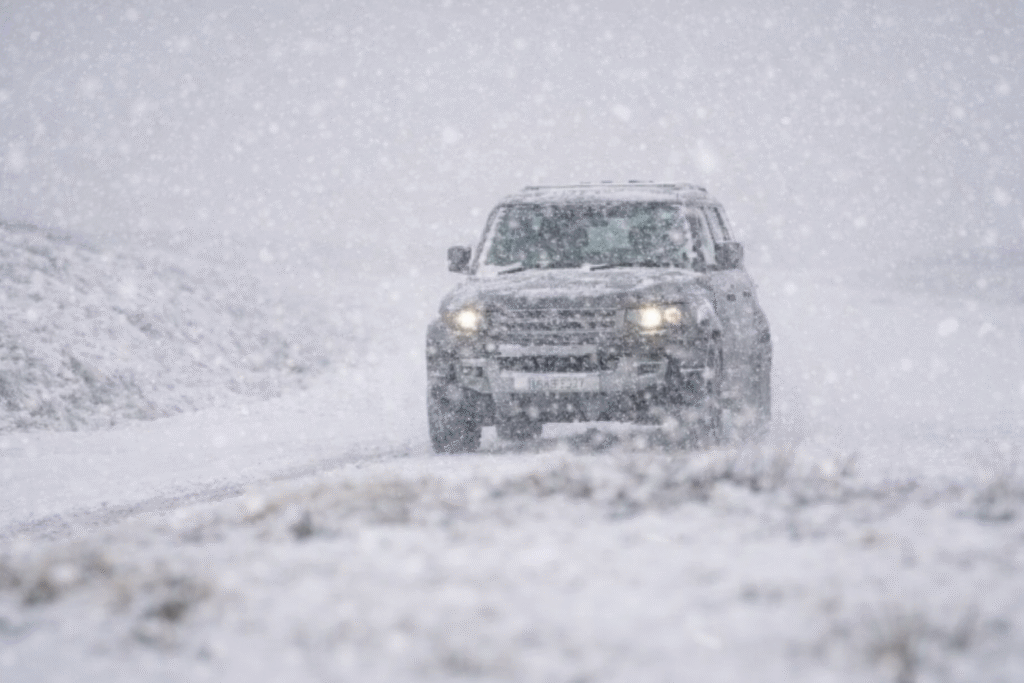
strong gusts can then blow that snow across roads and open ground. Coastal areas may face rough seas and transport disruption, while inland communities can experience drifting snow and travel hazards. The science is complex, yet the practical outcome is simple: rapidly intensifying systems often create more disruption because they evolve faster than the public expects.
Why the Phrase Sounds So Dramatic
Weather language has always carried emotional weight. Terms such as Arctic blast, polar plunge, and deep freeze are popular because they turn a complicated forecast into a picture readers can instantly imagine. The same is true of dramatic winter labels. A phrase like this suggests force, speed, and impact, all in two short words. From a publishing perspective, that makes it highly clickable, highly shareable, and highly effective at pulling readers into a story.
The problem is that dramatic language can sometimes blur understanding. Readers may assume the phrase is a formal warning category when it is often just a media label layered onto a more technical meteorological setup. This is why good weather content must do more than chase clicks. It should respect search intent while also restoring clarity. A strong article explains what the phrase means, what it does not mean, and why official guidance should always carry more weight than sensational wording in a headline or thumbnail.
Is It Relevant to the UK?
The UK can certainly experience severe winter weather, but its geography and maritime climate mean that the details often differ from the classic North American winter storm image. Britain sits in a zone where Atlantic systems, Arctic air intrusions, and occasional easterly flows all shape winter conditions. This means snow potential can vary sharply by region, altitude, and timing. One area may receive slushy rain, while another sees heavy snowfall only a short distance away.
That is why the label Snow Bomb can sound more dramatic than the actual outcome for some parts of the country, while still matching the experience of others. Northern England, Scotland, higher ground in Wales, and some inland routes are often more vulnerable to snowfall and drifting conditions. Meanwhile, southern and coastal areas may see more mixed precipitation or disruptive wind and cold rain instead. In the UK context, the most useful question is not whether a dramatic phrase is trending, but where the hazard will be most intense and how long it may last.
Why the Term Trends in Weather Headlines
Weather headlines perform well when they combine urgency with uncertainty. Readers are especially likely to click when they fear cancelled travel, school disruption, or a difficult commute. That is why this phrase often surges during cold spells. It gives people a simple keyword to search when they are trying to understand whether worsening conditions are likely to affect their own region. In digital publishing, such phrases become magnets for traffic because they compress anxiety, curiosity, and public service into a single searchable expression.
Another reason the term trends is that it answers more than one audience need at once. Some readers want a straightforward definition, while others want local relevance, forecast timing, or safety guidance. Search demand therefore spreads across many related topics, including snow maps, weather warnings, transport updates, and emergency preparation. For content writers, this creates a strong SEO opportunity, but it also creates responsibility. The most successful article will not merely repeat a dramatic phrase. It will satisfy the deeper question behind the click: what does this really mean for me?
How UK Forecasters Describe Severe Winter Weather
Official UK forecasts usually rely on precise, practical language rather than dramatic labels. Forecasters tend to refer to low-pressure systems, frontal boundaries, cold air advection, wintry showers, disruptive snowfall, ice risk, and severe gusts. Public warnings often focus on impact rather than spectacle. Instead of using sensational terms, official wording explains what conditions may occur, where they are most likely, and how serious the disruption could become for transport, power, and daily routines.
This difference matters because official forecasting is designed to support decisions, not merely attract attention. When readers understand the gap between headline language and formal weather communication, they become better equipped to judge risk. For example, an amber warning for snow and ice tells the public far more than a dramatic phrase alone. It signals that conditions may be dangerous and that plans may need to change. Strong content should therefore translate popular search language into the practical vocabulary used by trusted forecasters and emergency planners.
Signs a Winter Storm Could Become Dangerous
Not every winter storm becomes severe, but certain warning signs deserve attention. Rapid temperature drops, strengthening winds, persistent snowfall, freezing rain, and declining visibility often indicate that travel conditions may worsen quickly. When the atmosphere combines moisture, cold air, and wind in the wrong balance, even modest snowfall totals can become hazardous. This is especially true on exposed roads, rural routes, elevated stretches of motorway, and areas where drifting snow can collect faster than road treatment teams can respond.
Timing is another major factor in danger. A weather system that arrives overnight, during rush hour, or just before a weekend travel peak can create more disruption than one with similar intensity at a quieter time. Wet surfaces that refreeze after sunset can turn manageable roads into dangerous ones within hours. The public often focuses on the amount of snow forecast, yet the bigger risk may come from the combination of snow, wind, ice, and uncertainty. Impact grows not only from what falls out of the sky, but from when and where it happens.
Travel Disruption Across the UK
Severe winter weather can affect every layer of British transport, from village lanes to major airports. Roads may become blocked by drifting snow, while black ice increases accident risk even where snowfall is limited. Rail networks can suffer points failures, frozen equipment, or fallen debris, especially when snow is paired with high winds. Airports may remain open but operate with delays due to de-icing, runway treatment, or reduced visibility. Ferry services can also be disrupted when rough seas and strong gusts combine along exposed coastal routes.
The UK does not need extreme snowfall totals to experience serious disruption. Dense traffic, regional bottlenecks, and tightly timed networks mean even moderate winter weather can have an outsized effect. A single blocked route can ripple through an entire region by delaying freight, school transport, emergency movement, and commuter journeys. This is why readers searching weather terms are often really searching for practical consequences. They want to know whether they should leave earlier, cancel plans, work from home, or avoid a journey altogether until conditions improve.
How Winter Conditions Affect Homes and Daily Life
The impact of a severe winter event reaches far beyond roads and rail timetables. Homes can become vulnerable to frozen pipes, burst plumbing, rising heating demand, and occasional power interruptions. Families may have to rearrange routines when schools close or local services run on reduced schedules. Deliveries can slow, carers may face difficulty reaching vulnerable residents, and households that rely on regular travel or external support can feel isolated more quickly than expected during prolonged cold conditions.
Rural and older populations often feel the pressure first because distance, limited transport, and housing conditions can amplify risk. Yet urban households are not immune. Apartment residents may face heating issues, commuters may lose access to public transport, and parents may have to balance childcare with rapidly changing travel advice. A well-written weather article should always remember this human side of the story. Winter systems are not just meteorological events. They are disruptions to ordinary life, and readers value guidance that recognises both the science and the stress.
Public Safety and Practical Preparation
Preparation is one of the few parts of severe weather that households can control. A calm and useful winter plan begins with checking trusted forecast updates and reviewing travel only when necessary. Homes should have basic supplies, charged devices, warm clothing, and a sensible backup plan for short-term disruption. Drivers should keep fuel levels healthy, reduce non-essential journeys, and carry items that can help in a delay, including water, a phone charger, and suitable winter clothing.
Preparation is most effective when it is done early rather than at the peak of public concern. Waiting until shops are crowded, roads are already icy, or transport messages are changing by the minute increases stress and reduces options. Families should think ahead about medicines, school plans, vulnerable relatives, and heating reliability. The public often searches dramatic weather phrases because they want certainty, but weather rarely provides perfect certainty. What people can build instead is resilience: practical readiness that makes disruption easier to manage when forecasts turn more serious.
Myths and Misunderstandings
One common misunderstanding is that every heavy snowfall automatically fits the dramatic label seen in headlines. In reality, many snow events are disruptive without involving the kind of rapid storm intensification associated with bombogenesis. Another myth is that a rapidly deepening storm always means deep snow across the entire country. Weather systems are rarely that uniform. Local temperature differences, altitude, wind direction, and moisture distribution can create very different outcomes from one county to the next.
Another misconception is that dramatic phrasing means official agencies have issued an exceptional or unprecedented warning. That is not always true. A headline may sound extreme while the formal guidance remains measured and region-specific. There is also a tendency to believe long-range snow predictions are highly precise, when winter forecasting often involves shifting boundaries between rain, sleet, and snow until relatively close to the event. The best weather content therefore replaces myth with proportion. It should help readers understand risk without exaggeration and encourage flexible planning rather than panic.
Climate Patterns and Extreme Winter Weather
Conversations about climate and winter weather can easily become oversimplified. Some people assume a warming world means heavy snow should disappear, while others treat every severe cold spell as proof that broader warming trends are false. Both positions miss the complexity of atmospheric behaviour. Climate influences patterns, moisture availability, seasonal timing, and the odds of certain setups, but no single winter storm can explain the whole system on its own. Weather is immediate, while climate works across long periods and wider patterns.
For writers, the sensible approach is balance. It is reasonable to note that changing climate conditions may influence extremes, seasonal volatility, and precipitation dynamics. It is also important not to force sweeping conclusions onto a single event. Readers value careful wording because it sounds credible and measured. In SEO terms, this balance also improves quality. Search engines increasingly reward content that feels trustworthy, nuanced, and helpful rather than reactive or exaggerated. A thoughtful winter article should therefore explain the uncertainty honestly while still offering clear and practical guidance.
How to Follow Reliable Weather Information in the UK
In an age of viral clips, fast-moving rumours, and screenshot-driven speculation, reliable information matters more than ever. Readers should prioritise official forecasts, national warning services, transport operator updates, and trusted local reporting that reflects regional conditions. Social media can be useful for real-time observation, but it can also distort risk by circulating dramatic images from different locations, different dates, or very localised conditions that do not apply to most readers. Good decisions begin with good sources.
It also helps to check updates repeatedly rather than relying on a single forecast viewed hours earlier. Winter conditions can evolve quickly, and timing changes often matter as much as intensity. A route that appears manageable in the morning may become difficult by late afternoon if temperatures drop or snowfall shifts eastward. Likewise, a frightening headline may lose relevance if updated guidance shows the main hazard tracking elsewhere. Reliable information is therefore not only about where you look, but how often you return for fresh context before acting.
Why the Phrase Keeps Winning Search Traffic
Some keywords succeed because they are precise. Others succeed because they are emotionally charged. This weather phrase performs well because it does both at once. It is short, memorable, dramatic, and broad enough to capture multiple forms of search intent. Readers may type it to learn the definition, check forecast relevance, compare expert opinions, or understand whether a trending weather story applies to the UK. That makes it an unusually strong target for publishers chasing visibility during cold-weather news cycles.
Yet the same quality that makes the keyword powerful also creates a risk for weaker content. Many pages may use the term without adding genuine value, leading to repetitive articles that say little beyond the headline. To stand out, a writer needs to go further by answering related questions with clarity and depth. The best-performing article will define the phrase, explain the science, localise it for British readers, discuss travel and household impacts, correct misconceptions, and provide practical safety guidance. In other words, ranking strength comes not from repetition, but from usefulness.
Writing About This Topic in a Reader-Friendly Way
A successful article on severe winter terminology should sound informed without becoming too technical. Readers appreciate explanation, but they do not want to feel they are reading a university lecture on atmospheric pressure. The strongest style uses clear sentences, visual language, and practical examples. It explains why pressure falls matter, why snow and wind are dangerous together, and why one region may face a different risk from another. Simplicity, when done well, does not weaken expertise. It makes expertise accessible.
Tone also matters. People searching winter weather terms are often worried, rushed, or trying to make quick decisions. A useful article should respect that emotional state by sounding calm, measured, and genuinely helpful. Sensational writing may earn a click, but reassuring clarity earns trust and time on page. From an SEO perspective, that trust supports better engagement, lower bounce, and stronger long-term value. The goal is not merely to rank for a phrase. It is to become the page readers feel actually answered the question they came to ask.
Conclusion
The phrase Snow Bomb captures attention because it turns a complex winter weather idea into something vivid and easy to search. For UK readers, however, the value lies not in the drama of the words but in the reality behind them. Understanding storm development, official warning language, regional exposure, and travel impact helps people make better decisions than sensational headlines ever could on their own.
In the end, the smartest response to alarming winter language is informed calm. Check reliable updates, focus on local conditions, prepare early, and treat official warnings as more important than viral labels. A strong weather article should do exactly the same. It should explain, steady, and guide. When that happens, readers leave not only with a clearer definition, but with more confidence about what to watch, what to expect, and how to stay safe when winter turns sharp.
FAQs
What is a Snow Bomb in weather terms?
This phrase is commonly used in headlines to describe a rapidly intensifying winter storm that may bring snow, strong winds, and disruptive conditions. It is usually linked in public discussion to the idea of bombogenesis, where atmospheric pressure falls quickly and a storm deepens at speed. While the phrase is memorable and widely searched, it is more of a media-friendly label than a formal public warning category.
Is it an official meteorological term?
Not in the way readers often assume. Official forecasters are more likely to use technical and practical terms such as rapidly deepening low pressure, disruptive snowfall, strong winds, ice risk, or named storm impacts where relevant. News outlets may prefer dramatic shorthand because it attracts attention, but official guidance tends to focus on what hazards are expected, where they are likely, and how seriously they may affect everyday life.
What is the difference between this phrase and a bomb cyclone?
A bomb cyclone is the technical idea most closely associated with the phrase. It refers to a low-pressure system that intensifies very quickly due to a sharp pressure fall. The popular phrase, by contrast, is often used more loosely in public discussion to describe any severe winter setup that feels dramatic. In simple terms, bomb cyclone is the scientific concept, while the headline phrase is the popular expression that often sits on top of it.
Can the UK really experience this kind of winter storm?
The UK can certainly face rapidly deepening low-pressure systems, severe snow, strong winds, and major winter disruption. However, British weather is strongly shaped by maritime influences, so the outcomes often vary more sharply by region than many headlines suggest. Some areas may see heavy snow, while others receive rain, sleet, or only brief wintry showers. The important point is that the UK can experience dangerous winter conditions, even if the exact pattern differs from classic storms elsewhere.
Does it always mean heavy snow across the whole country?
No, and that is one of the biggest misconceptions. Winter weather in the UK is highly regional, and outcomes depend on altitude, temperature profiles, timing, and storm track. A dramatic national headline may hide the fact that only certain areas are most at risk. In many cases, the combination of snow, wind, and ice in specific regions matters more than the idea of universal nationwide snowfall.
Why can even moderate snowfall cause major disruption in Britain?
The UK often experiences disruption because of network density, regional bottlenecks, and the timing of weather events rather than sheer snowfall depth alone. Busy roads, rail systems, school transport, and airport operations can all be affected by relatively modest accumulations if ice, wind, or low visibility are added to the mix. A few difficult hours at the wrong time of day can create a much larger practical impact than readers might expect from the forecast alone.
How should drivers prepare for severe winter conditions?
Drivers should begin with the simplest decision: avoid unnecessary travel when official warnings suggest significant disruption. If a journey is essential, it helps to check route conditions, allow extra time, carry warm clothing, keep a charged phone, and make sure the vehicle is ready for cold weather. Smooth driving, longer braking distances, and awareness of black ice are all critical. Preparation is less about fear and more about reducing avoidable risk before the road becomes difficult.
Where should readers check for trustworthy UK weather information?
The safest approach is to rely on official forecasts and warning services, supported by trusted transport updates and local reporting. Readers should be cautious with isolated images and dramatic claims circulating on social platforms because winter weather can be intensely local and easily misrepresented. Checking updates regularly is just as important as checking the right source, since winter conditions can shift quickly and the most useful information is often the most recent.
You may also read: Timeline and How Conditions May Develop Before Christmas