Introduction
When shoppers type Amber Leaf 50g Asda Price into Google, they are usually looking for one simple thing first: the latest cost. Very quickly, though, that search opens into several other questions. People also want to know whether the pouch is available at their nearest store, whether another supermarket lists the same product for less, and whether the 50g format actually offers decent value compared with smaller packs. That makes this topic broader than a single price point and more useful when handled as a complete consumer guide.
At the time of writing on 23 April 2026, Asda’s grocery listing for Amber Leaf Original 50g shows a price of £46.35, which works out at £927.00 per kilogram. Tesco’s current listing for Amber Leaf Roll Your Own 50G also shows £46.35 and the same £927.00 per kilogram figure, suggesting that large supermarket pricing for this specific pouch can be closely aligned at a given moment.
This article takes an informative and neutral approach. It focuses on price, pack size, availability, value, legal purchase rules, and the practical checks a shopper may want to make before heading out. It also keeps a public health lens in view, because tobacco is a regulated and age-restricted product in the UK, and the NHS continues to provide stop smoking support for people who want to quit.
What Amber Leaf 50g Means in Practice
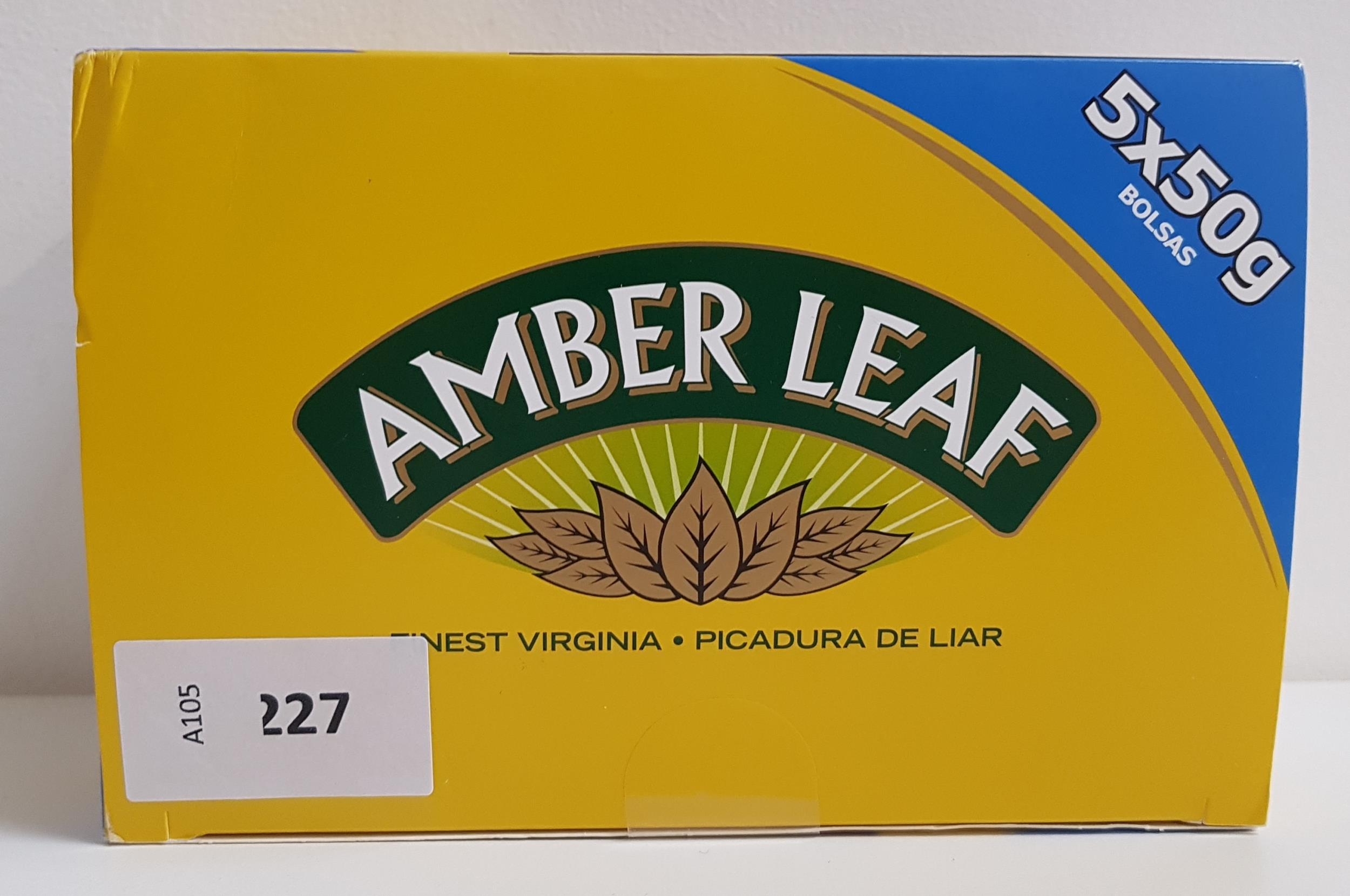
Amber Leaf is a hand-rolling tobacco product sold in different pouch sizes across supermarket grocery platforms. On Asda’s rolling tobacco pages, the visible Amber Leaf formats include 30g, 40g, and 50g, while the Tesco product page for the 50g format identifies the pack size as 50G and notes the net contents as 50g. In plain terms, that means the pouch contains fifty grams of product, which is the standard way retailers present the size for price comparison.
That size matters because consumers often compare tobacco by both headline price and cost per gram. A larger pouch can look expensive at first glance, but the per-gram figure may be lower than smaller formats. Asda’s own Amber Leaf listings show that pattern clearly: the 30g three-in-one format is listed at £28.18 or £939.33 per kilogram, the 40g pouch at £37.20 or £930.00 per kilogram, and the 50g pouch at £46.35 or £927.00 per kilogram.
That is one reason the product name gets searched with a retailer attached. People are not only looking for the tobacco itself; they are trying to judge whether a specific supermarket offers a fair current price and whether the larger pouch gives a slightly better value ratio. In search behaviour terms, the retailer name narrows the query from a general product search to an intent-rich, buy-side comparison query with price at its centre.
Amber Leaf 50g Asda Price Right Now
The clearest current answer is straightforward. Asda lists Amber Leaf Original 50g at £46.35, and the product page also gives the unit rate as £927.00 per kilogram. For a user landing on an article through search, that immediate clarity matters. A good page should not bury the number beneath unnecessary introduction, because the first intent behind the keyword is almost always price verification rather than brand history or product storytelling.
The keyword Amber Leaf 50g Asda Price therefore works best when the article answers that headline question early and then adds layers of useful context around it. That context includes whether the same figure appears at rival supermarkets, whether the price reflects a strong or weak cost-per-gram position, and whether stock levels are likely to vary from one branch or ordering area to another. A thin page that gives only a number will often feel incomplete to both readers and search engines.
It is also worth noting that price pages can change, sometimes without much warning. Retailers update grocery listings, tax changes filter through to shelf prices, and supermarket pages may show different availability by area. That is why a strong article should state the current figure clearly, name the retailer, and gently remind readers to recheck before travel or collection. For this topic, accuracy and freshness are part of the page’s value.
Stock Availability at Asda and Why It Can Vary
Price is only half of the real-world question. A shopper may see the current Asda listing online and still find that local access is not guaranteed in every branch or time slot. Asda’s grocery ecosystem shows the product on its dedicated page and also within the rolling tobacco category pages, but that does not mean every store is equally supplied at every moment. Product visibility online and store-level availability are related, yet they are not always identical.
This is where a useful guide has to be practical rather than promotional. Stock can vary because of location, store size, replenishment timing, local demand, and the way a user’s chosen branch or postcode affects the grocery view they see online. Even when a product exists in the catalogue, a customer may encounter short-term out-of-stock signals, temporary substitution issues, or simple differences between larger supermarkets and smaller convenience-led formats. Those differences are common in grocery retail and especially noticeable on tightly regulated lines.
For a reader, the sensible move is not to assume the live listing guarantees immediate purchase. It is better to treat the listing as a strong starting point, then confirm the relevant branch or order setting before leaving home. That type of advice improves the usefulness of a content page because it addresses the real frustration behind the search: not just what the pouch costs, but whether checking that cost will actually save a wasted trip.
How Asda Compares With Other UK Supermarkets
One of the most interesting current signals for shoppers is that Asda and Tesco are aligned on this particular product. Asda’s Amber Leaf Original 50g page shows £46.35, and Tesco’s Amber Leaf Roll Your Own 50G page shows the exact same £46.35 along with the same £927.00 per kilogram figure. That does not prove every retailer will always match exactly, but it does show that major supermarkets can sometimes sit at nearly identical price points for a well-known rolling tobacco product.
That alignment matters for search intent because it shifts the page from a simple “what does Asda charge?” article into a “how should I judge this price?” article. If a shopper sees the same figure at Asda and Tesco, the next deciding factors become convenience, nearest store, preferred grocery account, delivery area, and whether the retailer’s interface makes checking availability easier. In other words, equal pricing can turn location and convenience into the true tie-breakers.
The phrase Amber Leaf 50g Asda Price is therefore useful not only as a direct match keyword, but also as a doorway into supermarket comparison logic. A page ranking well for it should show readers that the Asda number is competitive in the current market, at least against Tesco, and that shoppers can make a better decision when they compare both the headline cost and the wider purchasing context instead of staring at one number in isolation.
What You Get in a 50g Pouch
A 50g pouch is a larger format than the 30g and 40g options visible on Asda’s Amber Leaf pages. That makes it naturally attractive to shoppers who prefer fewer repurchases and who think in weekly or monthly spend rather than single-trip outlay. From the retailer data alone, the key confirmed facts are the size, the listed price, and the unit-cost figure, but even those three details are enough to shape a buyer’s sense of practicality.
The reason this matters for content is that many users do not search for “Amber Leaf” in the abstract. They search for the exact weight and the store together because the 50g size carries a different value perception than a smaller pouch. A 30g pack can appear easier on the wallet in the moment, but the 50g format often looks more economical when cost is spread across each gram rather than judged by shelf price alone. That distinction is central to an honest buying guide.
Writers covering this topic should also avoid overcomplicating the section with jargon. The core consumer information is simple and enough for a reader: the pouch is 50 grams, it is listed by major UK grocers, it sits above smaller Amber Leaf pouches on absolute price, and it edges slightly lower on price per gram. For SEO content, clarity usually beats unnecessary detail, especially on a query where users want a clean answer fast.
Value for Money and Cost Per Gram
The strongest value point in the current data is the per-kilogram and per-gram comparison. At Asda, the 50g Amber Leaf pouch is listed at £927.00 per kilogram, while the 40g pouch sits at £930.00 per kilogram and the 30g three-in-one format at £939.33 per kilogram. Put another way, the 50g pouch works out at about £0.927 per gram, compared with roughly £0.93 per gram for the 40g pouch and about £0.939 per gram for the 30g format.
That difference is not dramatic, but it is real. In practical shopping terms, the 50g format does appear to give a slight efficiency edge over the smaller Amber Leaf sizes currently shown by Asda. For someone searching on price alone, that may be the most useful hidden insight in the article. The shelf cost is higher, but the unit-cost picture is marginally more favourable, which is exactly the sort of detail a helpful guide should surface.
It is equally helpful to place Amber Leaf against other 50g products visible on Tesco’s current rolling tobacco page. There, Amber Leaf 50G is listed at £46.35, while Gold Leaf JPS 50G appears at £41.10 and Sterling Rolling Tobacco Essential 50G at £39.50. That suggests Amber Leaf sits in a higher-priced part of the visible 50g supermarket range, so “good value” depends on whether a buyer prioritises brand familiarity or the lowest available 50g price.
Why Tobacco Prices Move Over Time
Retail tobacco pricing does not move in isolation from the wider tax environment. HMRC’s tobacco duty guidance and rates tables show specific duty levels for hand-rolling tobacco and record changes taking effect from dates such as 26 November 2025 and 1 October 2026. GOV.UK also notes that tobacco duty rates rise through scheduled changes and that hand-rolling tobacco has seen higher duty pressure than some readers may expect. That context helps explain why older remembered prices often no longer match current shelf figures.
For content writers, the important point is not to overload readers with tax tables but to explain the direction of movement. Tobacco products in the UK are strongly shaped by duty policy, so a price that feels steep compared with a year or two ago may reflect a broader national pricing environment rather than a single retailer decision. That makes a fresh article more useful than outdated forum answers or memory-based estimates from previous shopping trips.
Retail updates can then layer on top of that duty backdrop. A supermarket may refresh its online catalogue, adjust presentation, or display unit rates more clearly than before, but the bigger story behind long-term price movement is that regulated tobacco products do not operate like ordinary grocery bargains. That is why a current article should always separate “today’s listed price” from “the reasons prices keep changing,” because readers benefit from understanding both.
How to Check the Price Online Without Wasting Time
If someone wants the quickest answer, the most reliable first step is to check the official retailer listing instead of relying on third-party snippets or outdated forum posts. Asda’s product page for Amber Leaf Original 50g and its category pages currently display the item and current pricing, while Tesco’s 50G product page offers a useful second reference point. Going straight to retailer pages reduces the risk of using an old number or reading a discussion that no longer reflects live supermarket pricing.
The search term Amber Leaf 50g Asda Price works especially well because it mirrors the way these listings are surfaced in search results. A good article should teach readers to use that query to locate the live product page quickly, then verify the result against the visible weight, pound figure, and unit rate. That takes only a moment, but it gives much more confidence than relying on screenshots, hearsay, or social comments that may have been accurate months ago.
It is also sensible to remember that grocery platforms may personalise or localise parts of the experience. Store selection, postcode, or order mode can affect what the user sees when they are logged in. So the most practical way to use an article like this is as a current benchmark page: it tells the reader what major retailers show at the time of writing and explains how to confirm the number in their own shopping context before they set out.
Online Browsing, Store Purchase, and Age Verification
Retail listings show that the product can be browsed through supermarket grocery systems, but regulated tobacco purchase rules still matter. Tesco’s product page for the 50G pouch explicitly states a lower age limit of 18 years. UK legislation also makes it an offence to sell tobacco or cigarette papers to a person under 18, and a separate law makes proxy purchasing by an adult on behalf of someone under 18 an offence as well.
That means the useful role of an article is not to glamorise buying but to clarify the legal framework around it. Shoppers need to understand that age-restricted products are treated differently from standard groceries, and retailers apply verification requirements accordingly. Whether a page is viewed online or a customer goes in person, the product remains part of a tightly regulated retail category, which is exactly why guidance content should stay factual, neutral, and compliance-aware.
This legal framing also improves trust. A search page that gives the current price while ignoring the age-restricted nature of tobacco feels incomplete. A better article recognises the reality of the search, provides the up-to-date information people came for, and still reminds readers that tobacco sales in the UK sit within clear legal boundaries. That balance serves readers better and makes the content more responsible overall.
Practical Shopping Tips for Readers Checking Asda
A strong practical tip is to treat the listed price as the beginning of the process rather than the end of it. The first job is to confirm the current number, and Asda presently lists the 50g pouch at £46.35. The second job is to confirm the relevant local setting or store context. The third is to compare the figure against at least one major competitor so the reader knows whether the price is competitive or merely familiar. That three-step approach is simple and saves time.
Another sensible tip is to compare sizes, not just retailers. Someone focused only on a headline spend may look at 30g or 40g first, but the Asda data shows the 50g format is slightly better on unit price than the smaller Amber Leaf pouches listed alongside it. That does not automatically make it the best choice for every shopper, but it does show why comparing by weight can be more informative than comparing only by the shelf figure.
A final practical point is to be wary of stale information. Grocery results, product screenshots, and social media conversations can linger long after the underlying number has changed. Readers get the best outcome when they use a fresh article as a guide and then cross-check the official store page just before purchase planning. On a search like this, freshness is not a minor detail; it is part of the answer itself.
Why This Keyword Gets So Much Search Interest
The popularity of the term is easy to understand. It contains a brand, a weight, a retailer, and an obvious commercial modifier. That combination creates a very high-intent query. A person typing it is usually not researching tobacco culture or reading a brand story; they are trying to solve a current shopping question. The more exactly a page matches that intent, the more likely it is to earn attention, clicks, and user satisfaction.
Amber Leaf 50g Asda Price is also a keyword with built-in comparison logic. Even if the user begins by wanting the Asda figure, they often end up wanting to know whether Tesco, Sainsbury’s, or another supermarket is any cheaper, whether the 50g pouch offers stronger value than the 30g one, and whether the item is in stock close by. That means the best-ranking content is rarely the shortest content; it is usually the most complete answer to all the questions hiding behind the first search.
For writers and publishers, this is useful because it shows how search intent expands. The article that performs best is likely to answer the headline price query immediately, then move into comparison, availability, value, legal age requirements, and practical checking advice. That breadth is not filler. It is exactly what turns a search phrase into a genuinely useful page, which is why comprehensive consumer guides often outperform thin price snippets over time.
Responsible Context and Public Health Information
Any article about tobacco pricing should acknowledge that the topic sits within a wider health context. The NHS maintains a dedicated quit smoking hub and stop smoking services page, with advice on support routes and helplines for people in different parts of the UK. That matters because a content page can be accurate on price and legality while still recognising that many readers may be considering cutting down or stopping altogether.
This does not weaken the quality of the article. In fact, it improves it. Responsible consumer information does not mean refusing to answer the query; it means answering it honestly while recognising the product category. That creates a more balanced page and makes it more credible to readers who expect modern content to reflect both practical information and wider wellbeing considerations rather than acting like an advert.
It is also relevant because UK tobacco policy continues to move in a more restrictive public-health direction. Current legislation still enforces the under-18 rule for sales and proxy purchasing, and recent government and major news reporting show further policy movement toward a smoke-free generation framework. For an evergreen article, the safest takeaway is simple: the category is tightly regulated now, and readers should expect regulatory pressure, not relaxation, over time.
What a Good Buying Guide Should Help Readers Decide
A good buying guide should help the reader answer three questions. First, what is the current listed price? Se
You may also read: Highlighting Local Businesses through OCNJ Daily