Introduction
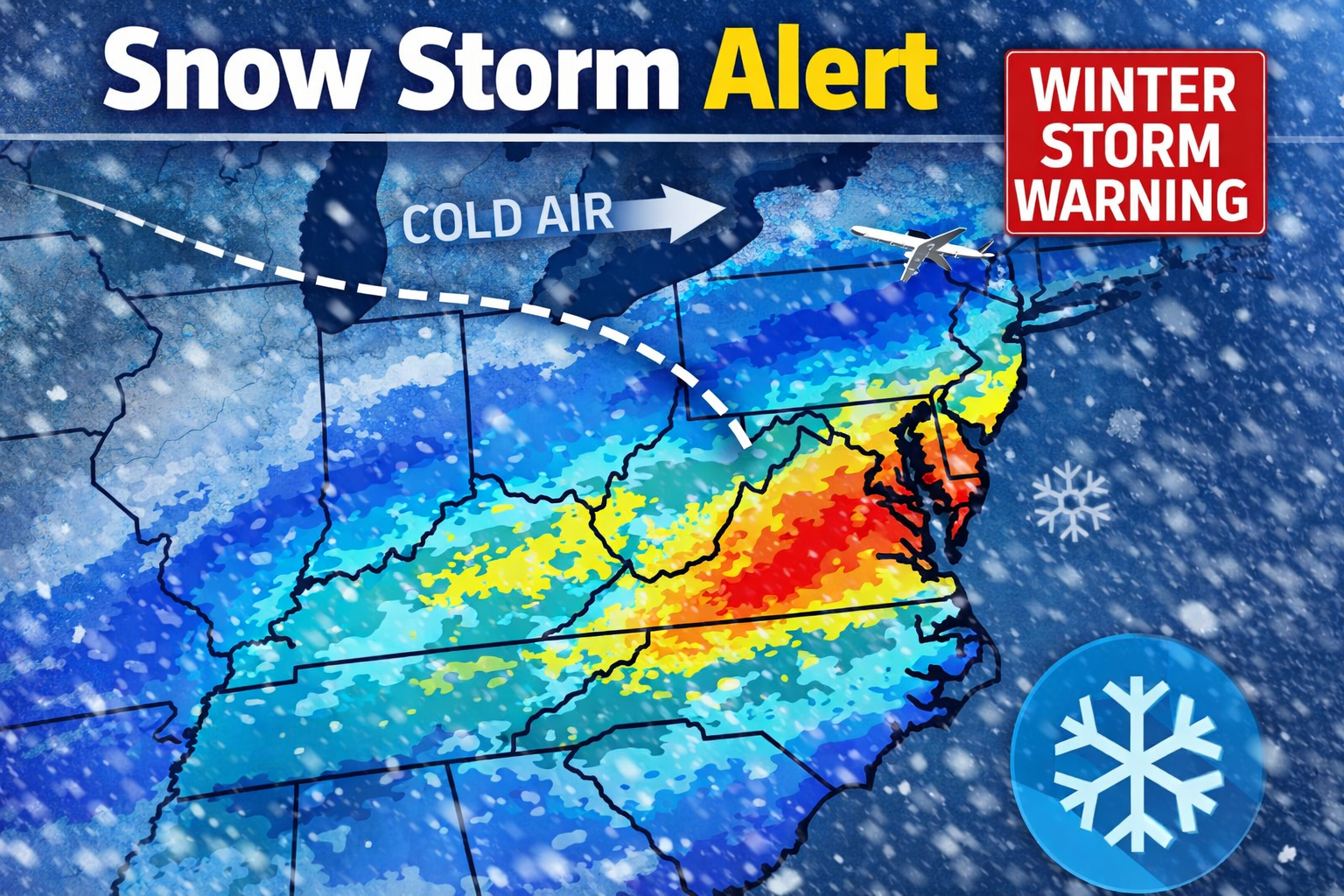
When winter settles across Britain, a sudden burst of snow can change the rhythm of everyday life within hours. Roads that looked ordinary in the morning can become difficult by the afternoon, train timetables can unravel, and familiar streets can feel quiet, frozen, and uncertain. A Snow Storm is not simply a beautiful weather event to watch from a window. It is a serious condition that affects movement, safety, comfort, and public services across the country.
For many readers, the topic matters because the UK often experiences disruption from snow more quickly than countries built for harsher winters. Even modest accumulation can slow transport, delay deliveries, close schools, and create risks for elderly residents, families, and commuters. This article explains how these storms form, why they matter, what official warnings usually mean, and how people can prepare sensibly without panic.
The aim is simple: to provide a practical, readable, and fully informative guide for anyone searching for trustworthy information during cold weather. Whether you want to understand how winter conditions develop, plan a safer journey, protect your home, or reduce the risks to your household, this guide offers a clear path through the confusion that often surrounds severe winter weather in the UK.
What a Snow Storm Means in the UK
In everyday language, people often use the phrase snow storm to describe any period of heavy falling snow, especially when it arrives with strong wind, freezing temperatures, or reduced visibility. In practical terms, the phrase usually describes a weather event that makes travel harder, increases danger outdoors, and causes disruption to normal life. It is a broad term, but it captures the seriousness of conditions when snow moves beyond a light seasonal inconvenience.
In the UK, the meaning is shaped as much by impact as by technical definition. A weather event does not need to resemble the most dramatic storms seen elsewhere in the world to become significant. If snowfall combines with icy roads, poor visibility, strong gusts, drifting conditions, or sudden temperature drops, it can create exactly the kind of widespread disruption that people associate with severe winter weather.
It is also helpful to separate related terms. Heavy snowfall refers mainly to the amount of snow falling, while a blizzard is a more specific type of severe weather involving strong winds and very low visibility over a sustained period. A winter storm can include snow, sleet, freezing rain, and ice. In public conversation, however, these distinctions often blend together, and that is why many people search using simple terms that describe what they are experiencing on the ground.
How Snow Storms Form
Snow develops when moisture in the atmosphere meets air that is cold enough for precipitation to fall as snow rather than rain. That basic idea sounds simple, yet the real process depends on a careful balance of temperature, humidity, air pressure, wind direction, and the movement of weather fronts. Cold upper air can help snowflakes form in clouds, while surface temperatures influence whether those flakes survive the journey to the ground.
A storm becomes more disruptive when several elements combine at once. If a moist weather system moves into cold air and the wind strengthens, snow can become denser, visibility can drop sharply, and drifting can begin across open routes. Hills and exposed regions may experience very different conditions from nearby towns. That is why forecasts sometimes show patchy impact even when the same weather system covers a wide area.
The UK’s position near the Atlantic adds another layer of complexity. Slight shifts in wind direction or temperature can change a forecast from rain to sleet or from sleet to settling snow. This uncertainty explains why winter forecasting often receives such close public attention. A difference of only a degree or two can determine whether communities see a wet afternoon, a slippery evening, or a deeply disruptive overnight event.
Why Snow Creates Serious Problems Across the UK
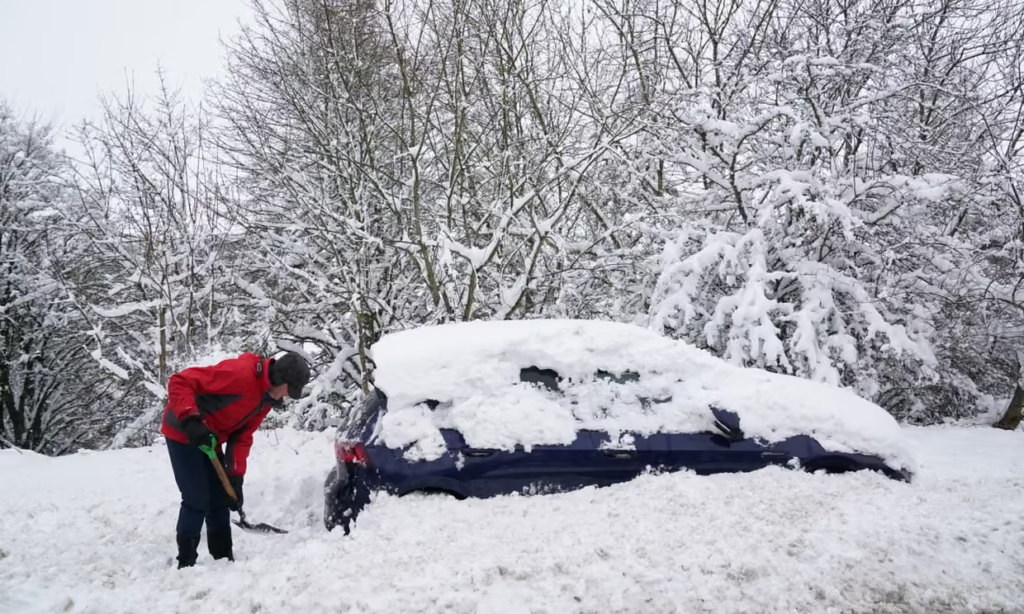
The effects of snow in Britain are often felt quickly because large parts of the transport network, housing stock, and local infrastructure are not designed for prolonged extreme winter conditions. While authorities do prepare with gritting, route planning, and weather monitoring, the pace of disruption can still be rapid. Commuters may find themselves delayed, stranded, or forced to change plans with little notice, especially during busy travel periods.
Urban areas can suffer from congestion, accidents, pavement hazards, and overwhelmed transport services, while rural communities may face isolation, difficult access to healthcare, and slower road treatment. In some places, the danger comes not from deep snowfall alone, but from compacted snow turning to ice after dark. A seemingly manageable daytime scene can become much riskier once temperatures drop and untreated surfaces harden.
Snow also exposes inequalities in resilience. Families with reliable heating, stocked cupboards, and flexible working arrangements cope differently from those facing fuel worries, health conditions, or limited transport options. A single disruptive weather event can create wider pressure on schools, shops, hospitals, energy systems, and social care. That is why winter planning is not only a matter of convenience but also of public wellbeing.
Understanding Weather Warnings and Public Alerts
Official warnings are designed to do more than announce bad weather. They help people understand likely impacts, judge the seriousness of conditions, and make safer decisions about travel, work, school, and home preparation. A warning about snow or ice usually means there is enough concern about dangerous roads, transport disruption, injuries from slips, or interruptions to daily services that the public should pay close attention.
The value of a warning lies in timing as much as content. Early alerts give households the chance to check food, medication, heating, batteries, vehicle readiness, and travel plans before the worst conditions arrive. They also allow schools, employers, and local authorities to make sensible decisions rather than rushed ones. Even if the final impact feels milder than expected, the preparation window remains useful and often prevents avoidable problems.
People sometimes make the mistake of reading warnings as a promise that a dramatic event will definitely happen everywhere in the highlighted region. In reality, warnings indicate risk and potential impact, not certainty for every street. Local geography, elevation, exposure, and timing all matter. The most effective response is not fear, but informed caution: follow trusted updates, monitor local conditions, and prepare for the possibility of rapid change.
Regions of the UK More Likely to Be Affected
Higher ground, northern regions, and exposed inland routes are often more vulnerable to disruptive winter weather than milder coastal areas. Upland communities can see snow settle faster and last longer because temperatures remain lower. Roads crossing hills may become hazardous long before nearby town centres experience serious accumulation. That contrast is one reason regional forecasts can seem uneven or confusing to people comparing conditions over short distances.
Scotland, northern England, parts of Wales, and elevated routes in the Midlands often feature prominently in winter weather coverage because geography increases the chance of snow and drifting conditions. Yet southern parts of the country are not immune. When cold air is firmly in place, even areas more accustomed to rain can see difficult conditions, and disruption may be greater precisely because heavy settling snow is less frequent there.
Cities present their own pattern of risk. Main roads may be treated quickly, but side streets, pavements, station approaches, and residential areas can remain slippery for longer. In rural areas, by contrast, fewer alternative routes and slower service access can make even moderate snowfall a serious challenge. The real lesson is that exposure is not only about latitude or altitude. It is also about preparedness, route importance, and local capacity to respond.
Travel Disruption During Severe Winter Weather
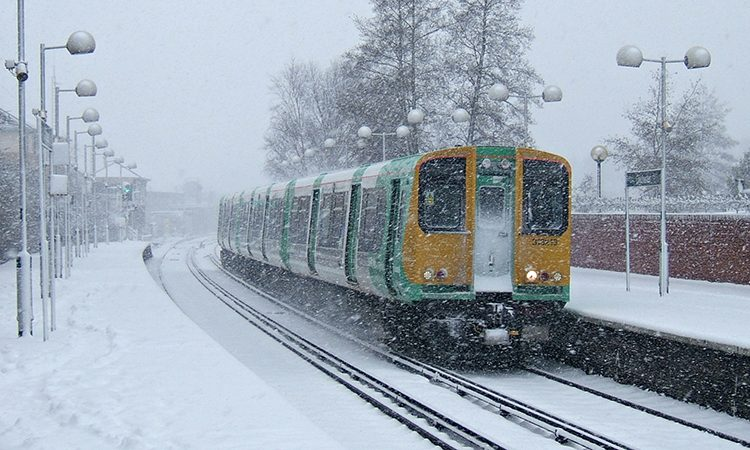
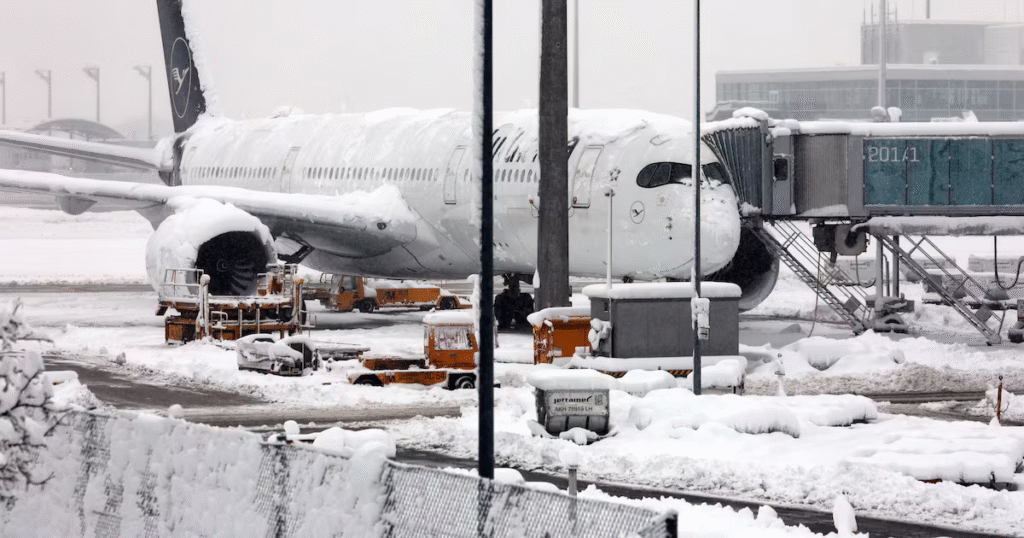
Transport disruption is one of the first consequences most people notice when winter conditions worsen. Roads may become slower due to reduced visibility, black ice, or stranded vehicles. Rail services can be affected by frozen points, signal problems, or blocked lines. Airports face de-icing requirements, delays, and schedule changes. A snow event does not need to be historic in scale to create a chain reaction across multiple travel systems.
Drivers are especially vulnerable when conditions change quickly after sunset or when untreated surfaces freeze following daytime slush. The danger often lies in unpredictability. A route that appears passable at departure may become hazardous further along, particularly on bridges, country roads, and elevated sections. Public transport users are also affected, as missed connections, reduced timetables, and overcrowding can turn a routine journey into an exhausting and stressful experience.
The smartest travel strategy in cold weather is to reduce unnecessary movement and plan carefully for what cannot be avoided. Checking forecasts, route alerts, rail notices, and school announcements before leaving home is essential. Allowing extra time matters, but so does accepting that some trips should be postponed. Good judgement can be more valuable than confidence behind the wheel, especially when changing conditions outpace what drivers expect.
Preparing Your Home Before the Weather Turns
A safe winter home begins with anticipation rather than emergency reaction. Households benefit from checking heating systems, testing portable lights, charging power banks, and ensuring basic supplies are available before warnings intensify. Warm clothing, blankets, long-life food, bottled water, prescription medicines, and a simple first-aid kit all provide practical resilience. Preparation is not about panic buying. It is about reducing stress if movement becomes difficult for a day or two.
Plumbing deserves special attention because freezing conditions can damage pipes and create costly problems after temperatures rise again. Homes should be insulated where possible, and exposed pipework should be protected in advance. Windows and doors should close properly, and draughts should be reduced to help retain heat. These small actions improve comfort, lower strain on heating systems, and help households remain safer if electricity or gas services are interrupted.
Families with children, elderly relatives, or vulnerable neighbours should think beyond their own front door. A simple communication plan can make a meaningful difference. Knowing who may need a phone call, a prescription pickup, or help obtaining essentials adds a human layer to winter preparation. Severe weather often reminds communities that resilience is shared. The best plans combine household readiness with neighbourly awareness and practical kindness.
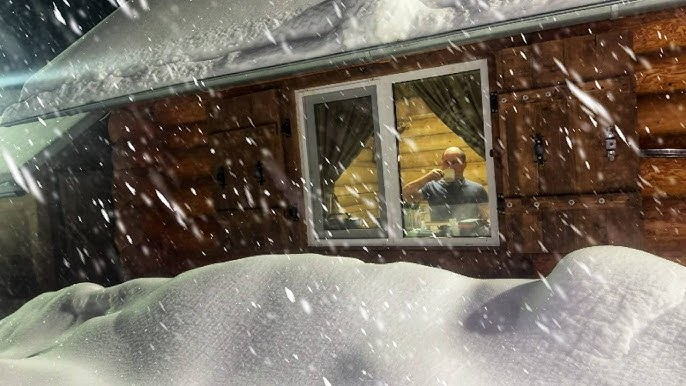
Safety Tips for Individuals and Families
Personal safety during snowy conditions begins with simple choices. Avoiding unnecessary outdoor activity during the worst weather reduces exposure to slips, falls, cold stress, and travel accidents. When going outside is necessary, footwear with grip, layered clothing, hats, gloves, and waterproof outerwear all matter. Warmth should be built gradually through layers rather than relying on one heavy garment that may still leave hands, feet, or the head exposed.
Inside the home, safety involves more than keeping warm. Heaters must be used correctly, ventilation should not be blocked, and improvised heating methods should be avoided. Candles may seem useful during a power cut, but they introduce fire risk, particularly in households with children or pets. Torches, battery lanterns, charged phones, and sensible room heating plans offer safer alternatives when the weather becomes disruptive or energy supplies become uncertain.
Families should also pay attention to emotional wellbeing. Extended bad weather can bring isolation, stress, cancelled plans, and anxiety about finances or travel. Children may feel unsettled by school closures, while older adults may worry about access to care or groceries. Calm routines, regular updates, warm meals, and steady communication help maintain confidence. Safety is not only physical. A well-managed household atmosphere can reduce panic and improve decision-making throughout a difficult spell.
Driving in Snow and Ice
Driving during a Snow Storm demands humility. Many winter accidents happen because drivers overestimate what their vehicle or experience can manage. Snow hides lane markings, narrows carriageways, and reduces traction, while ice can make braking distances dramatically longer. Even a short local trip can become difficult if untreated roads, drifting snow, or sudden freezing conditions combine. The safest decision is often to delay travel until conditions improve or routes are treated.
If travel is essential, preparation should begin before the engine starts. Fuel should be sufficient, tyres should be in good condition, windows must be fully cleared, and lights should be clean and working. An emergency kit can include a blanket, snacks, water, gloves, a charger, a torch, and a phone power bank. Drivers should accelerate gently, steer smoothly, and leave much larger stopping distances than they would in dry conditions.
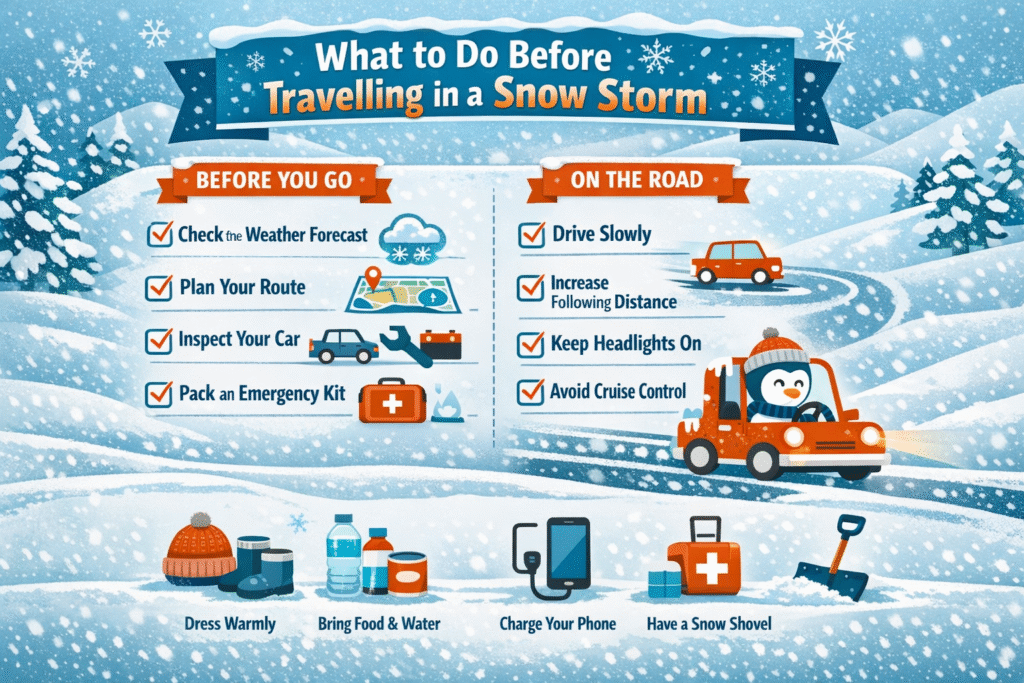
Being stranded in winter weather is as much a planning issue as a driving one. Drivers should tell someone their route, monitor traffic updates, and avoid isolated roads unless necessary. If a vehicle becomes stuck, staying calm is critical. In many cases, remaining with the vehicle is safer than attempting to walk in poor visibility or severe cold. The goal is not to prove capability. It is to return safely and without creating further risk.
Public Services, Schools, and Daily Life
Winter weather reaches far beyond dramatic scenes on motorways or news footage of snowy hills. It reshapes ordinary life at street level. School openings become uncertain, deliveries arrive late, care visits may be delayed, and workplaces adapt to transport problems. Parents juggle childcare, employees revise schedules, and local shops may face increased demand for essentials. The impact of snow is often measured less by snowfall depth and more by how many routines it interrupts.
Public services work under particular pressure during cold spells. Councils must prioritise gritting routes, waste collection may fall behind, and healthcare providers may see more injuries related to slips, falls, or cold exposure. Ambulance access can become harder in remote areas, while pharmacies and care networks may experience extra demand. These strains remind the public that weather disruption is never limited to transport. It touches the wider system that supports daily community life.
Adaptation often becomes the story after the first shock passes. Schools switch to updates for parents, neighbours help with shopping, employers allow remote work where possible, and local authorities focus resources on the most important routes. This collective adjustment is one of the UK’s quiet strengths during severe weather. While snow can expose weaknesses, it also reveals the value of coordination, communication, and practical flexibility when the routine order of the day is briefly suspended.
Health Risks Linked to Severe Cold and Snow
Cold weather increases health risks in direct and indirect ways. Direct risks include hypothermia, frost-related exposure, and injuries caused by slipping on snow or ice. Indirect risks are equally important: delayed medical appointments, increased strain on people with breathing conditions, reduced mobility for older adults, and isolation for those already vulnerable. A winter emergency is not always obvious at first glance. Sometimes it appears as a delayed prescription or a dangerous fall on a familiar path.
The home environment can also become a health issue when temperatures drop sharply. Poor heating, damp conditions, or attempts to save money by underheating rooms may increase illness risk, especially for children, elderly residents, and people with existing conditions. Warmth should be managed consistently rather than reactively. Keeping living spaces heated safely, eating regular meals, staying hydrated, and maintaining medication schedules all contribute to resilience during prolonged cold periods.
Mental strain should not be dismissed. Disrupted plans, travel worries, rising energy concerns, and social isolation can affect mood and concentration. People living alone may feel the burden more heavily, especially when weather limits movement. Checking on relatives and neighbours is therefore both considerate and practical. A quick call, a message, or a brief doorstep conversation can identify needs early and reduce the sense of being cut off when winter conditions make ordinary life feel smaller and more uncertain.
Power Outages and Emergency Readiness
Snow and ice can affect power infrastructure through falling branches, damaged lines, difficult access for repair crews, and increased demand on energy systems. When electricity goes off during cold weather, the consequences reach quickly into daily life. Heating stops, food storage becomes a concern, internet access may weaken, and charging options disappear. The inconvenience can become a serious welfare issue if outages last for many hours in freezing conditions.
Prepared households think in layers. The first layer is light, with torches or lanterns ready and batteries available. The second is warmth, including blankets, coats, and one or two practical rooms that can be kept warmer than the rest. The third is communication, which means keeping phones charged and having important numbers written down. The fourth is food and water, using items that do not require extensive cooking if power loss affects appliances.
Safety during an outage depends on calm choices. Never bring unsafe heat sources indoors, and do not use outdoor equipment in enclosed spaces. Keep fridge and freezer doors closed as much as possible to preserve food. If someone in the household relies on electrically powered medical equipment, contingency planning is especially important before winter sets in. Emergency readiness does not mean expecting disaster. It means respecting how quickly comfort can become vulnerability when energy supply fails in freezing weather.
How to Stay Updated During a Snow Event
Reliable information is one of the most valuable tools available during severe weather. Forecasts, transport notices, school communications, and local authority updates help households move from guesswork to decisions. In fast-changing conditions, rumours and social media fragments can confuse rather than clarify. That is why trusted official updates remain essential. Good information reduces unnecessary journeys, improves preparation, and helps families respond proportionately rather than emotionally.
Timing matters as much as source quality. A forecast checked in the morning may not reflect conditions by late afternoon, especially when temperatures fall or precipitation changes type. Refreshing updates before leaving home, before school runs, or before evening travel is a sensible habit during winter alerts. People should also pay attention to hyperlocal signs, such as untreated pavements, freezing rain, or accumulating slush, because ground reality sometimes changes faster than broad regional summaries.
A communication plan within the family can also make a real difference. Parents should know how schools will issue updates, travellers should let someone know their route, and vulnerable relatives should have a simple way to ask for help. Keeping one another informed reduces anxiety and cuts down confusion when conditions worsen. Information is not just something received from official channels. It is also something shared thoughtfully between people who depend on one another.
Common Mistakes People Make in Snowy Conditions
One common mistake is assuming that only deep snow is dangerous. In reality, a thin layer of compacted snow or a patch of black ice can be more hazardous than a dramatic white landscape. People often judge winter risk visually, yet the most serious problems may be invisible or underestimated. Roads that look merely wet can freeze, pavements can become skating surfaces, and short familiar journeys can produce long and stressful delays.
Another frequent error is leaving preparation too late. Waiting until shelves are crowded, fuel is low, batteries are flat, or warnings have already escalated creates unnecessary pressure. Effective winter readiness does not require expensive stockpiling. It requires sensible timing. A few checks completed early can prevent discomfort and confusion later. The difference between a manageable weather day and a deeply inconvenient one is often found in decisions made before the first flakes arrive.
There is also a behavioural mistake rooted in pride. Many people believe that because they have driven in rain, handled previous cold mornings, or completed the route many times before, they will manage whatever comes next. Severe winter weather punishes overconfidence. Good judgement means recognising limits, respecting changing conditions, and being willing to cancel plans. Safety is not a test of stubbornness. It is a discipline of noticing risk before risk becomes consequence.
Myths and Misunderstandings About Winter Weather
One persistent myth is that Britain does not really get dangerous snow, only temporary inconvenience. This belief ignores the fact that danger often comes from a mix of ice, wind, exposure, and disruption rather than from spectacular snowfall totals alone. A relatively modest event can still create collisions, isolation, missed care appointments, utility pressure, and injuries. Severity is measured by impact, not simply by how dramatic the snow looks in photographs.
Another misunderstanding is that all winter weather warnings lead to exaggerated outcomes. This scepticism can be tempting when a local area escapes the worst of a forecast, but it misunderstands how warnings work. They are designed around risk and potential impact across regions, not certainty for every postcode. A near miss in one location does not mean the warning was pointless. Often it means precautions helped, conditions shifted, or another nearby area saw stronger effects.
People also underestimate the role of temperature changes after snowfall. They may assume the main danger ends when the snow stops falling, yet thawing and refreezing can create even more hazardous surfaces overnight. Slush can turn to hard ice, vehicle tracks can become frozen ridges, and untreated pavements can remain risky well after the headline weather event. Winter awareness must continue beyond the dramatic moment and into the quieter hours that follow.
Climate Patterns and Future Winter Extremes
Debates about climate and weather often become confusing because people mix long-term trends with short-term events. A single cold spell does not cancel broader warming patterns, just as a warm winter does not eliminate the possibility of future snow. What matters for public understanding is that unusual and disruptive winter weather can still occur, and communities remain vulnerable when cold air, moisture, and unstable patterns align in the wrong way.
For the UK, the practical issue is not whether every winter will be severe, but whether systems and households can cope when conditions do become disruptive. Weather variability means one season may pass quietly while another produces sharp travel problems, school closures, or local power issues. Preparedness therefore remains sensible regardless of broader climate debate. Homes, services, and transport networks all benefit when contingency planning is treated as normal rather than exceptional.
This perspective also helps readers avoid false choices. It is not necessary to predict constant heavy snow in order to justify preparation. The country only needs a handful of difficult days to produce major inconvenience and risk. Winter resilience, then, should be seen as a practical civic habit. Forecast uncertainty will always exist, but good preparation does not depend on perfect prediction. It depends on recognising that low-frequency events can still carry high consequences.
Conclusion
A Snow Storm can transform daily life in the UK far more quickly than many people expect. It influences not only roads and rail services, but also schools, healthcare access, deliveries, household comfort, and community wellbeing. What begins as a forecast can soon become a practical challenge affecting millions of decisions, from whether to travel to how to keep vulnerable relatives safe and warm through a difficult night.
The most effective response combines calm attention with practical planning. Understanding official warnings, checking local updates, preparing the home, limiting unnecessary travel, and supporting neighbours all reduce the burden of severe weather. Winter conditions are unpredictable, but they are not impossible to manage. The right habits turn uncertainty into readiness and help households move through disruption with more confidence and less risk.
In the end, resilience is rarely dramatic. It is found in charged phones, safe heaters, full prescriptions, thoughtful route choices, and the willingness to change plans when conditions worsen. That is the real lesson of snow in Britain. Preparation matters, caution matters, and staying informed matters. When cold weather arrives, those ordinary actions become the difference between avoidable difficulty and steady, sensible control.
FAQs
What is the difference between a snow storm and a blizzard?
A snow storm is a broad term for severe snowy weather that may involve heavy falling snow, strong winds, ice, and travel disruption. A blizzard is more specific and usually refers to severe blowing snow with very low visibility and strong sustained winds. In everyday use, many people treat the two terms as similar, but technically a blizzard is a narrower and more extreme category within winter weather.
Are snow events in the UK always severe when warnings are issued?
No, not every warned area will experience the same level of disruption. Warnings are based on risk and likely impact, not guaranteed identical conditions in every town or village. Some locations may see only slush or brief snow showers, while others nearby experience dangerous roads or drifting snow. The warning should still be taken seriously because local variations are common and conditions can change quickly.
Why does the UK struggle with snow more than some colder countries?
The UK can be heavily disrupted because many areas are not built for long periods of severe winter weather. Infrastructure, road treatment capacity, housing conditions, and travel habits are shaped by a relatively moderate climate. As a result, even a moderate Snow Storm can create major effects, especially when snow combines with ice, wind, and freezing nighttime temperatures that make roads and pavements far more dangerous.
Is it safe to drive when snow is falling?
Driving may be possible in light conditions, but it becomes risky when visibility worsens, surfaces freeze, or untreated roads accumulate snow and slush. Even experienced drivers can lose control if conditions change suddenly. The safest option is to avoid unnecessary journeys. If travel cannot be postponed, preparation is essential, including checking route updates, clearing all windows, carrying winter supplies, and driving much more slowly than usual.
What should I keep in my car during winter weather?
A winter car kit should include a blanket, gloves, water, snacks, a torch, a phone charger or power bank, and warm spare clothing. A scraper, de-icer, and basic first-aid items are also useful. The purpose of the kit is not convenience alone. It helps if you become delayed, stranded, or forced to wait for assistance in freezing conditions where comfort and visibility can decline quickly.
How can I prepare my home before severe snow arrives?
Preparation starts with checking heating, protecting pipes, charging phones and power banks, and buying a reasonable supply of food, water, and medication. Torches and batteries should be easy to find, and warm clothing or blankets should be ready. It is also wise to think about who may need support, including elderly neighbours or relatives. Small preparations made early can prevent much larger problems later.
Can schools and workplaces close because of winter weather?
Yes, closures can happen when travel becomes unsafe, staffing is affected, or premises cannot operate normally. Schools may close because buses cannot run, roads are hazardous, or access routes are too slippery. Workplaces may also adjust hours or allow remote arrangements where possible. These decisions are usually based on safety and practicality rather than snowfall depth alone, since ice and transport disruption often create the biggest problems.
What should I do during a power cut in freezing weather?
Use torches rather than candles where possible, keep fridge and freezer doors closed, and gather household members in the warmest safe room. Dress in layers, use blankets, conserve phone battery, and monitor trusted updates if possible. Avoid unsafe indoor heating methods. If someone in the home is medically vulnerable or dependent on powered equipment, emergency planning should begin before winter and support should be contacted quickly if an outage occurs.
Why is ice sometimes more dangerous than falling snow?
Ice is often harder to detect and can form after snow begins to melt or when wet roads refreeze overnight. People may step or drive onto it without realising how slippery the surface is. Unlike visible falling snow, black ice can look like an ordinary wet patch. That hidden quality makes it particularly dangerous for pedestrians, cyclists, and drivers, especially during early morning and evening travel.
How often should I check weather updates during winter disruption?
During active winter alerts, it is wise to check updates several times a day, especially before travel, school runs, evening commutes, or overnight temperature drops. Conditions can shift rapidly when rain turns to sleet or sleet turns to settling snow. Forecasts are most useful when paired with local observations and transport notices. Regular checks help you adjust plans early instead of reacting after disruption has already begun.
You may also read: is a Snow Bomb Likely to Affect the UK?