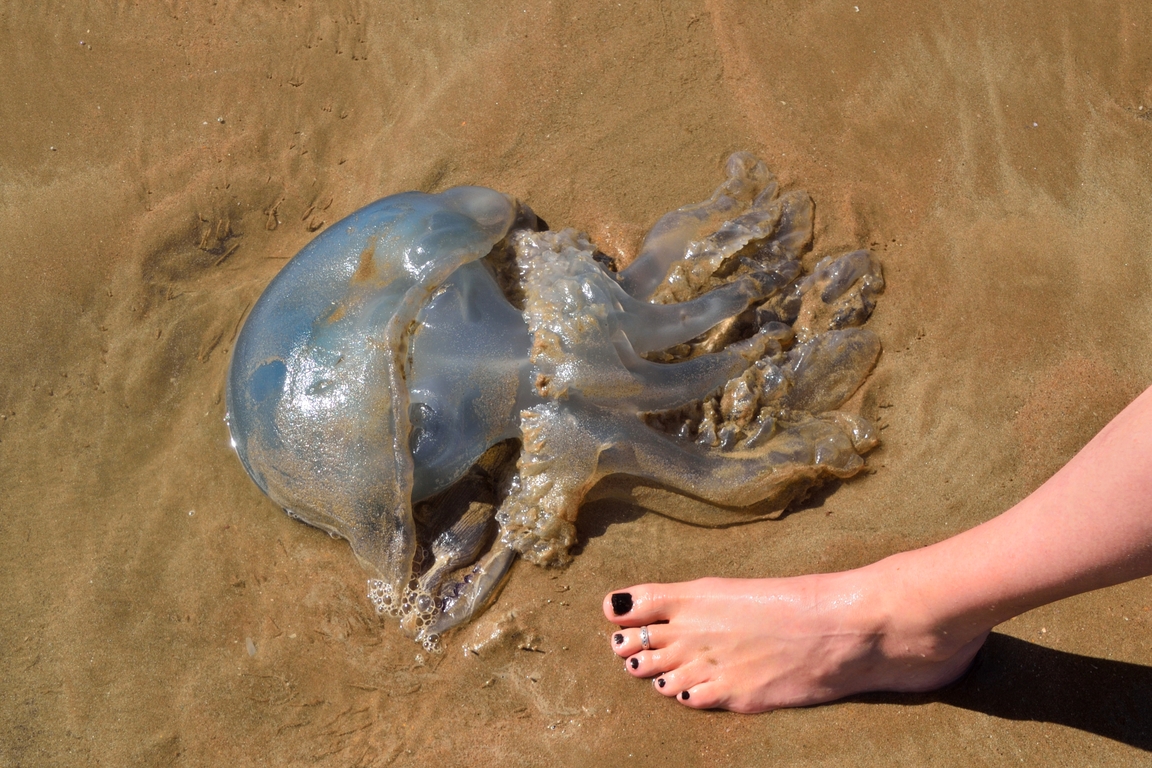
Can Jellyfish Sting Each Other
Jellyfish can sting each other, but this usually happens only when they are from different species or when one jellyfish is acting as a predator. In most cases, jellyfish do not sting members of their own species because their stinging cells are controlled by a chemical recognition system that prevents unnecessary firing. This means that even though they drift close together in large groups, they rarely harm each other.
The reason behind this selective stinging lies in how their biology works. Jellyfish are not aggressive by nature; they use their sting mainly for feeding and defense. When two jellyfish of the same species come into contact, their bodies are often recognized as “safe,” so the stinging mechanism does not activate. However, when they encounter a different species or prey, the response changes, and the sting can be triggered instantly.
Why Jellyfish Usually Do Not Sting Each Other
Jellyfish have specialized sensory systems that allow them to distinguish between their own kind and potential prey. Their tentacles contain microscopic stinging cells called nematocysts, but these cells do not fire randomly. Instead, they require both physical contact and a specific chemical signal to activate. If the chemical signal matches their own species, the sting is typically suppressed.
This chemical recognition acts as a natural safety mechanism. It prevents jellyfish from harming themselves or others of their own kind, even when they move in dense swarms. Without this system, constant stinging would waste energy and reduce survival chances. By avoiding unnecessary stings, jellyfish conserve their venom for feeding and defense, which is essential for their survival in competitive marine environments.
When Jellyfish Do Sting Each Other
Although jellyfish generally avoid stinging members of their own species, there are situations where they do sting other jellyfish. This most commonly occurs during predation. Some jellyfish species are carnivorous and actively hunt other jellyfish as a food source. In these cases, the chemical signals are different enough to trigger the nematocysts, allowing the predator to capture and consume its target.
Environmental factors can also influence this behavior. When food is scarce, jellyfish may become less selective and sting other species more frequently. In crowded or artificial environments, such as aquariums, accidental stings between different species can occur as well. These interactions show that while jellyfish are usually peaceful among their own kind, they can become aggressive when survival depends on it.
How Jellyfish Stings Work
The stinging mechanism of jellyfish is one of the most efficient biological systems in nature. Each tentacle is lined with thousands of nematocysts, which function like tiny spring-loaded harpoons. When triggered, they release a microscopic dart that injects venom into the target. This process happens almost instantly and does not require conscious control, as jellyfish do not have a brain.
The activation of these stinging cells depends on a combination of touch and chemical cues. A simple physical contact is not enough; the correct chemical signal must also be present. This dual-trigger system explains why jellyfish can brush against each other without harm but still respond quickly to prey. It also highlights how precise and energy-efficient their biology is, allowing them to survive in a wide range of ocean conditions.
Can Jellyfish Sting Themselves

Jellyfish do not sting themselves because their bodies are adapted to prevent self-harm. The same chemical recognition system that protects them from stinging others of their own species also applies to their own tissues. Their tentacles can come into contact with their bell or other parts of their body without triggering the stinging cells, ensuring they remain unharmed.
This self-protection is essential for their survival, as their long, flexible tentacles are constantly moving with ocean currents. Without this built-in safeguard, jellyfish would risk injuring themselves every time they drift or contract their bodies. Instead, their biology allows them to function smoothly in their environment without unnecessary damage.
Do Jellyfish Ever Harm Each Other Accidentally
Accidental harm between jellyfish is rare but possible under certain conditions. In natural ocean environments, jellyfish have enough space to move freely, reducing the likelihood of collisions or entanglement. Their soft bodies and slow movements also minimize the chances of injury when they come into contact with objects or other jellyfish.
However, in controlled environments like aquariums, where space is limited, interactions can be more frequent. In such cases, jellyfish of different species may accidentally trigger each other’s stinging cells. Even then, these incidents are usually not severe, as jellyfish are adapted to withstand minor contact. Overall, accidental stinging is not a significant concern in their natural habitat.
Why This Behavior Helps Jellyfish Survive
The ability to control when to sting is a crucial survival advantage for jellyfish. Venom production requires energy, so using it only when necessary helps conserve resources. By avoiding unnecessary stings, jellyfish ensure that they have enough venom available when they encounter prey or threats.
This behavior also allows jellyfish to exist in large groups without constant conflict. Swarming provides benefits such as increased chances of finding food and protection from predators. If jellyfish stung each other frequently, these advantages would be lost. Their selective stinging mechanism, therefore, plays an important role in maintaining balance within marine ecosystems.
Frequently Asked Questions
Do jellyfish sting other jellyfish of the same species
Jellyfish rarely sting members of their own species because their tentacles can recognize chemical signals that indicate “self.” This prevents the stinging cells from firing and allows them to coexist peacefully in groups.
Can jellyfish sting different species
Yes, jellyfish can sting other species, especially when they are hunting or competing for food. In these situations, the chemical signals are different, which triggers the stinging response.
Do jellyfish sting themselves accidentally
No, jellyfish do not sting themselves. Their bodies are adapted to prevent self-stinging through the same chemical recognition system that protects them from harming their own species.
Why don’t jellyfish sting everything they touch
Jellyfish stings require both physical contact and a specific chemical trigger. Without the correct chemical signal, the stinging cells remain inactive, which prevents unnecessary venom use.
Are jellyfish aggressive toward each other
Jellyfish are not naturally aggressive toward their own kind. They mainly use their stings for feeding and defense, and interactions with other jellyfish are usually neutral unless predation is involved.
Conclusion
Jellyfish can sting each other, but this behavior depends on the situation and the species involved. Most jellyfish do not sting members of their own kind because of a sophisticated chemical recognition system that prevents unnecessary harm. However, when they encounter different species or need to hunt, their stinging mechanism becomes active.
You may also read: Cass County Interactive Map – GIS, Property, and Land Records Online