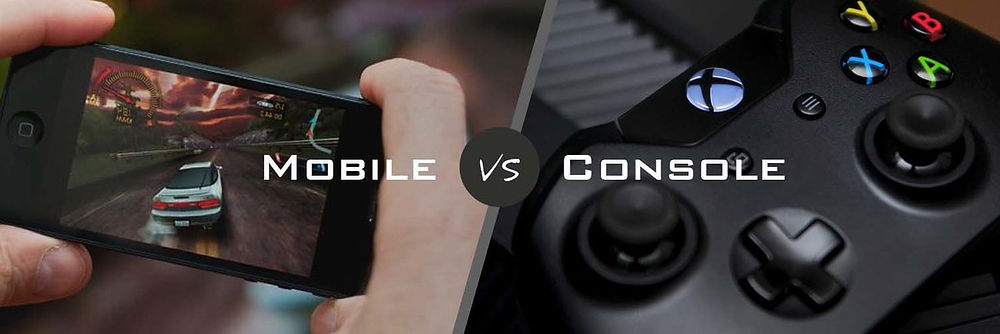
Mobile games rise to a level that feels close to console play because chipsets, engines, and networks work together in strong harmony. High performance arrives inside small devices, and visuals gain depth once seen only on living room screens. This shift creates a fresh wave of titles that look bold, run smoothly, and carry feature sets once linked with consoles.
Classic Genres Still Show What Mobile Can Do
Long-standing game styles make one thing clear. They prove how mobile play keeps up with fast controls, rich visuals, and clever design. These genres carry high standards and push mobile platforms to meet them without shortcuts.
Turn-based strategy, first-person action, puzzle sequences, and casino-based formats all place steady demand on load speed, stable sessions, and clean interfaces. The best results often come from builds that look simple but work with strong layers underneath.
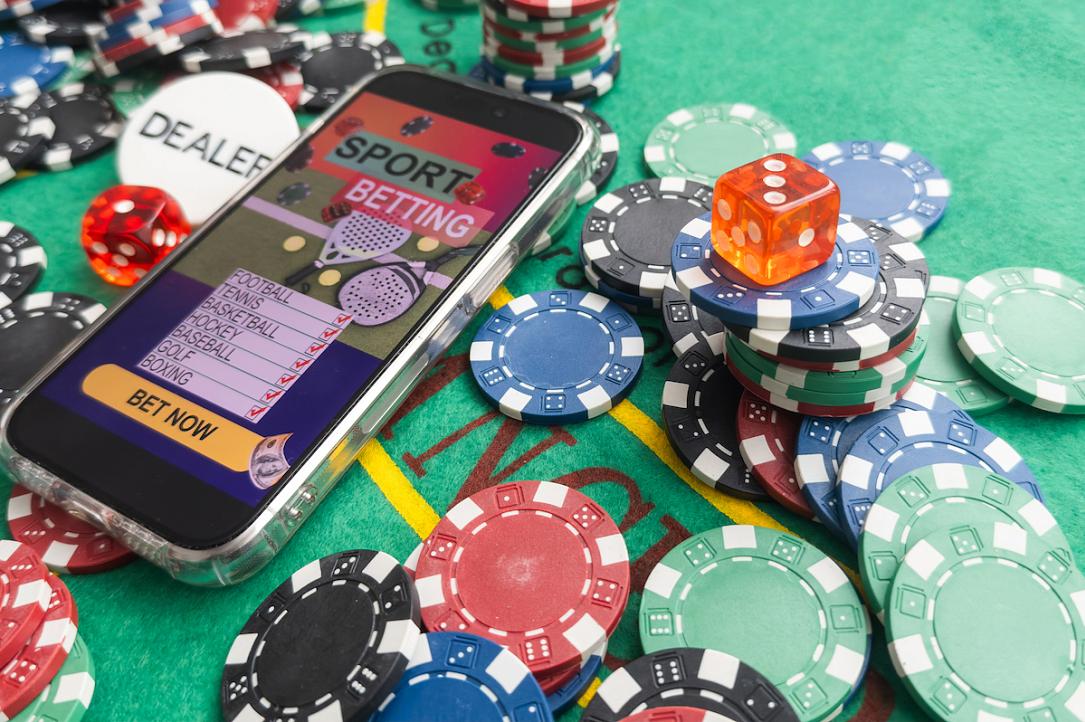
Titles in the casino space lean on crisp controls, short wait times, and the kind of layout that fits perfectly on smaller screens. One strong example comes from Mr Casino whose app keeps transitions smooth across devices.
Inside that build, players move between different features without long pauses or clunky animations. First-time offers like free spins also add an extra layer that ties into that seamless feel. It’s this level of performance that shows how mobile systems deliver the same polished feel players expect elsewhere.
Hardware Now Plays in the Same League
Phones and tablets with Apple A17 Pro and Snapdragon G3x Gen 2 chipsets bring console style features into the palm. These chips support ray tracing, dynamic shadows, and rich textures.
This allows titles like Genshin Impact and Honkai Star Rail to shine with sweeping views, bright colours, and clean movement. Racing games such as Asphalt 9 gain fluid turns, sparks, and reflections that react to weather and track shape.
Devices handle large scenes with ease as battery life, refresh rates, and cooling systems improve. This helps open world titles run longer and sharper. Mobile play sits side by side with console versions because hardware reaches a level that supports detail, speed, and vivid animation.
Smarter Tools Speed Up Better Games
Game engines evolve each year and offer plug-ins that help entire studios accelerate production. Unity brings Data Oriented Tech Stack for parallel computing, and Unreal Engine 5 offers Nanite geometry and Lumen lighting.
These tools help developers shape characters, objects, and towns quickly. This approach drives smoother updates for games like PUBG Mobile and Fortnite, which release seasonal shifts with new maps and item sets.
Generative tools also assist creators by building story ideas, level layouts, and character dialogue. This helps smaller teams shape strong worlds and push them into stores faster. Creativity stays intact because engines handle heavy tasks while designers fine tune the feel of each scene.
Connectivity Makes Multiplayer Feel Instant
Modern networks help multiplayer titles stand tall on mobile devices. 5G and Wi-Fi 7 shorten load times and help matches launch almost instantly. Edge computing keeps servers close to the player so quick actions appear on screen with high accuracy.
Games like Call of Duty Mobile, Brawl Stars, and Rocket League Sideswipe rely on this strength for smooth combat, tight control, and fast match cycles.
Voice chat, squad grouping, ranked ladders, and replay systems all work smoothly because these networks support constant data flow. This help creates sessions that feel as stable as console matches.
AI Keeps Players Coming Back
AI analytics shape progress maps, side quests, and difficulty curves. This creates smooth journeys in games like Marvel Snap, where matches grow sharper as players gain cards.
Roguelike titles gain shifting layouts and fresh enemy waves through AI generated designs. This keeps sessions lively because each round carries fresh surprises and balanced challenge levels.
AI also assists performance tuning. Games track which skills or items players select most often and adjust suggestions in real time. This supports a constant sense of forward motion because systems react to player behaviour.
Monetisation Matches Play Style
Many mobile studios use server side purchase trees that adapt to each user profile. This keeps item shops fresh and relevant. Large titles such as Genshin Impact adjust bundle sizes, seasonal packs, and cosmetic sets in a smooth cycle. Smaller games follow similar paths and launch time limited rewards that align with player progress.
Rewarded video ads also appear with clean timing. Systems wait for ideal pauses and present offers that fit the session flow. This creates a smoother feel because spending and rewards stay closely linked with how players move through each title.
It All Works Because Each Part Supports the Rest
Console quality arrives on mobile because hardware, engines, networks, tools, and smart systems blend perfectly. Developers take full advantage of these layers, and players receive titles with rich worlds, sharp visuals, fast combat, and long session value.
Mobile games already sit beside console titles with pride, and this harmony grows stronger each year as technology rises in step with creative ambition.